

What is Affiliate Marketing and Why It’s Booming for 2026?
At its core, affiliate marketing is a performance-based marketing strategy where individuals or businesses (affiliates) earn a commission for promoting another company’s products or services. When a customer makes a purchase through the affiliate’s unique tracking link, the affiliate receives a percentage of the sale. It’s a symbiotic relationship: businesses gain new customers without upfront advertising costs, and affiliates monetize their audience and influence without needing to create their own products.
The mechanics are straightforward:
- The Advertiser (Merchant): The company that sells the product or service.
- The Affiliate (Publisher): The individual or entity promoting the product.
- The Consumer: The end-user who purchases the product through the affiliate link.
- The Affiliate Network: Often, a third-party platform that connects affiliates with advertisers and handles tracking, payments, and reporting.
The reasons behind affiliate marketing’s continued boom, particularly heading into 2026, are multifaceted. E-commerce shows no signs of slowing down, with more consumers than ever making purchasing decisions online. This surge in online shopping directly fuels the need for trusted recommendations and product discovery, areas where affiliates excel. Furthermore, the rise of influencer marketing has blurred the lines, with many influencers now acting as powerful affiliates, leveraging their authentic connection with their audience to drive sales. The low barrier to entry also makes it incredibly appealing; unlike traditional businesses, you don’t need significant capital to start. You don’t manage inventory, handle customer service, or develop products. Your primary focus is on content creation and audience engagement.
For small businesses, integrating affiliate marketing into a broader Digital Marketing Strategy Small Business 2026 can be a game-changer. It offers a scalable, cost-effective way to expand reach and generate revenue without heavy investment in product development or a large sales team. The global nature of the internet means affiliates can promote products to audiences worldwide, breaking geographical barriers and tapping into diverse markets. The shift towards digital transformation across industries further solidifies affiliate marketing’s position as a crucial component of modern online commerce. As more businesses move their operations online, the opportunities for affiliates to partner with them will only continue to grow, making 2026 a prime time to enter this lucrative field.
Essential Steps to Start Your Affiliate Journey in 2026
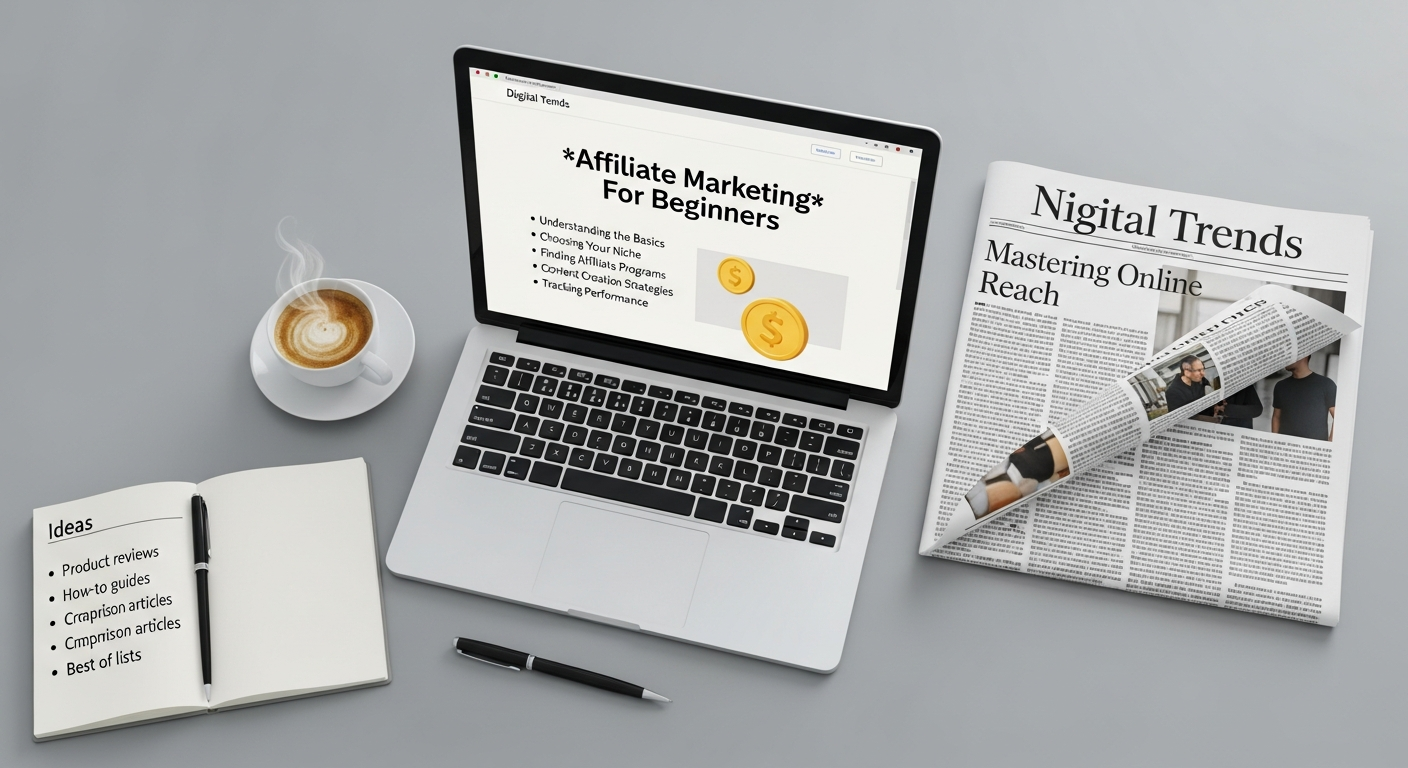
Embarking on an affiliate marketing career in 2026 requires more than just enthusiasm; it demands a structured approach. Following these essential steps will lay a solid foundation for your success.
1. Niche Selection: Your Foundation for Success
Choosing the right niche is arguably the most critical first step. Your niche should ideally sit at the intersection of your passion, profitability, and reasonable competition.
- Passion: If you’re genuinely interested in your niche, you’ll be more motivated to create high-quality content and stay updated on trends. This authenticity resonates with your audience.
- Profitability: Research products and services within your potential niche. Are there enough reputable affiliate programs? Do these products have a decent price point and commission rate? Tools like Google Trends, Amazon Bestsellers, and competitor analysis can help identify profitable sub-niches.
- Competition: While some competition is healthy (it indicates a market exists), entering an oversaturated niche as a beginner can be daunting. Look for underserved angles or smaller sub-niches where you can carve out authority.
Examples of profitable niches include health and wellness (e.g., specific diets, fitness equipment), personal finance (e.g., investment platforms, budgeting tools), technology (e.g., software reviews, gadget comparisons), and hobbies (e.g., photography gear, gardening tools).
2. Platform Choice: Where Will You Engage Your Audience?
Once you have a niche, decide on the primary platform(s) you’ll use to reach your audience and promote products.
- Website/Blog: This is often the most robust option, offering full control over content, branding, and monetization. A blog allows for in-depth reviews, tutorials, and comparison guides, which are excellent for SEO and building trust.
- Social Media: Platforms like Instagram, TikTok, YouTube, and Pinterest can be incredibly effective, especially for visual niches. Each platform has its unique audience and content style. You might use Instagram for fashion/beauty, YouTube for tech reviews or tutorials, or TikTok for quick product demos.
- Email List: Building an email list is a powerful long-term strategy. It gives you direct access to your audience, allowing for personalized recommendations and exclusive offers.
Consider your strengths and your niche’s preferred content consumption method when making this choice. Many successful affiliates use a combination of platforms, with a website often serving as the central hub.
3. Content Creation Strategy: Delivering Value
Your content is the bridge between the product and the consumer. It must be valuable, informative, and engaging. Focus on solving problems, answering questions, or entertaining your audience.
- Reviews: Honest, detailed reviews of products you’ve used or thoroughly researched.
- Tutorials/How-to Guides: Showing people how to use a product or achieve a goal with it.
- Comparison Articles: Helping consumers choose between similar products.
- Resource Lists: Curated lists of tools, services, or products relevant to your niche.
Always prioritize providing genuine value over simply pushing products. Trust is paramount in affiliate marketing.
4. Finding and Joining Affiliate Programs
With your niche and platform ready, it’s time to find suitable affiliate programs.
- Affiliate Networks: Platforms like Amazon Associates, ShareASale, ClickBank, Commission Junction (CJ Affiliate), and Rakuten Advertising host thousands of programs across various niches. These networks simplify the process of finding programs, tracking sales, and receiving payments.
- Direct Programs: Many companies run their own affiliate programs. You can often find these by searching “company name + affiliate program” on Google. Direct programs sometimes offer higher commission rates but require individual application and management.
Read the terms and conditions carefully, paying attention to commission rates, cookie duration (how long your referral is tracked after a click), and payout thresholds.
5. Legal Compliance: Disclosure is Key
Transparency is not just good practice; it’s a legal requirement in many regions. The Federal Trade Commission (FTC) in the US, for example, mandates that affiliates clearly disclose their relationship with advertisers. Always include a prominent disclosure statement near your affiliate links, letting your audience know that you may earn a commission if they make a purchase. This builds trust and ensures compliance.
Crafting Your Digital Marketing Strategy for Affiliate Success in 2026
Search Engine Optimization (SEO)
For content-driven affiliate sites, SEO is non-negotiable. Ranking high in search engine results means organic, consistent traffic.
- Keyword Research: Identify what your target audience is searching for. Focus on long-tail keywords (e.g., “best noise-cancelling headphones for travel 2026”) as they often indicate higher purchase intent and face less competition.
- On-Page SEO: Optimize your content with relevant keywords in titles, headings, meta descriptions, and throughout the body. Ensure your content is comprehensive, well-structured, and easy to read.
- Technical SEO: Ensure your website is fast, mobile-friendly, and secure (HTTPS). Use clear site architecture and internal linking.
- Backlinks: Acquire high-quality backlinks from authoritative sites in your niche. This signals to search engines that your content is trustworthy and valuable.
SEO is a long-term game, but its rewards in terms of sustained traffic are immense.
Content Marketing: Value Before Sales
Your content is the core of your affiliate business. It should educate, entertain, and solve problems for your audience.
- Blog Posts: In-depth reviews, comparisons, ultimate guides, and “how-to” articles.
- Video Content: Product demonstrations, unboxing videos, tutorials on platforms like YouTube.
- Infographics: Visually appealing summaries of complex information or comparisons.
- Case Studies: Demonstrating how a product helped someone achieve a specific outcome.
The goal is to establish yourself as an authority in your niche. When your audience trusts your recommendations, they are more likely to click your affiliate links.
Email Marketing: Building a Direct Line to Your Audience
An email list is one of your most valuable assets. It’s a direct communication channel that you own, unlike social media algorithms.
- Lead Magnets: Offer something valuable for free (e.g., an e-book, checklist, exclusive discount) in exchange for an email address.
- Segmentation: Segment your list based on interests or past interactions to send more targeted and relevant content.
- Automated Sequences: Set up welcome sequences, nurture campaigns, and product recommendation emails that run automatically.
- Regular Newsletters: Keep your audience engaged with regular updates, valuable tips, and occasional affiliate promotions.
Email marketing allows for a more personal touch and can significantly boost conversion rates for affiliate offers.
Social Media Marketing: Engagement and Reach
Social media platforms are excellent for building community, driving traffic, and engaging directly with your audience.
- Consistent Posting: Share valuable content, interact with comments, and participate in relevant discussions.
- Platform-Specific Strategy: Tailor your content to each platform. Instagram for visuals, TikTok for short-form video, Twitter for quick updates and news, Facebook for group discussions.
- Engage, Don’t Just Promote: Build relationships. Answer questions, provide insights, and only occasionally weave in relevant affiliate offers.
While social media platforms can drive direct traffic to affiliate links, their primary power lies in community building and content distribution.
Paid Advertising: Accelerating Growth (for the more advanced beginner)
Once you have a proven conversion funnel, paid ads (Google Ads, Facebook Ads) can significantly scale your traffic and earnings.
- Targeted Campaigns: Use demographic, interest-based, and behavioral targeting to reach highly specific audiences.
- A/B Testing: Continuously test ad copy, creatives, and landing pages to optimize performance.
- Budget Management: Start small, track ROI closely, and scale up only when campaigns are profitable.
Paid advertising requires careful management and can be costly if not executed strategically, so it’s often a step taken after organic methods have shown promise.
Content is King: Long-Form vs. Short-Form for Affiliate Marketing
In the dynamic world of digital content, understanding the roles of Long Form Vs Short Form Content is crucial for an effective affiliate marketing strategy in 2026. Both formats have distinct advantages and play different roles in attracting and converting an audience.
Long-Form Content: Building Authority and Driving Conversions
Long-form content typically refers to articles, guides, or videos that are extensive, detailed, and delve deeply into a topic. This could be blog posts of 1,500+ words, comprehensive YouTube tutorials, or in-depth e-books.
- SEO Benefits: Search engines often favor long-form content because it tends to cover topics more comprehensively, leading to higher rankings for a wider array of keywords. This means more organic traffic over time.
- Authority Building: By providing detailed, well-researched content, you establish yourself as an expert in your niche. This builds trust with your audience, which is paramount for affiliate sales.
- Higher Conversion Rates: For complex products or services, long-form content allows you to educate potential customers thoroughly, address their concerns, and demonstrate value in detail. This deeper understanding can lead to higher conversion rates, as consumers feel more confident in their purchasing decision.
- Examples for Affiliate Marketing:
- Ultimate Guides: “The Ultimate Guide to Starting a Home Garden in 2026” (linking to gardening tools, seeds, fertilizers).
- In-depth Reviews: “A Comprehensive Review of the Latest AI Writing Software for Small Businesses” (linking to the software, related courses).
- Comparison Articles: “iPhone 15 vs. Samsung Galaxy S24: Which Flagship Phone is Right for You?” (linking to both phones, accessories).
Long-form content is an investment, requiring more time and effort to produce, but its lasting impact on SEO and conversion can be incredibly rewarding.
Short-Form Content: Reach, Engagement, and Quick Wins
Short-form content is concise, digestible, and designed for quick consumption. Think social media posts, TikTok videos, Instagram Reels, short tips, or brief product highlights.
- Wider Reach and Virality: Short, engaging content is highly shareable and has the potential to go viral, exposing your brand and affiliate offers to a massive audience quickly.
- Higher Engagement Rates: Due to their brevity, short-form videos and posts often have higher completion rates and can spark quick interactions (likes, comments, shares).
- Driving Traffic: While less ideal for direct conversions on complex products, short-form content is excellent for driving traffic to your long-form content (e.g., “Watch my full review on YouTube! Link in bio”).
- Building Awareness: It’s perfect for quickly introducing products, highlighting key features, or creating immediate buzz.
- Examples for Affiliate Marketing:
- TikTok/Reels Demos: A 30-second video showcasing a specific feature of a product (linking to the product in bio).
- Instagram Carousel Posts: “5 Must-Have Gadgets for Digital Nomads” (each slide featuring a product, link in bio).
- Twitter Threads: A quick thread reviewing a new software update or tool, with a link to the full review on your blog.
The key to success with short-form content is to be creative, authentic, and consistent. It’s about capturing attention rapidly and leaving the audience wanting more.
A Synergistic Approach for 2026
For optimal affiliate marketing results in 2026, the most effective strategy often involves a synergistic combination of both long-form and short-form content. Use short-form content to capture attention, build initial interest, and drive traffic. Then, guide that traffic to your long-form content, where you can provide in-depth information, build trust, and ultimately convert them into customers through your affiliate links. This integrated approach allows you to leverage the strengths of each format, maximizing your reach, engagement, and conversion potential across different stages of the customer journey.
Leveraging LinkedIn and Other Platforms for Affiliate Growth in 2026
While often associated with professional networking, understanding How To Use Linkedin For Marketing, alongside other diverse platforms, is crucial for broadening your affiliate reach in 2026. A multi-platform strategy ensures you connect with various segments of your audience where they naturally congregate, offering unique avenues for engagement and conversion.
LinkedIn: Professional Networking with Affiliate Potential
LinkedIn might not be the first platform that comes to mind for affiliate marketing, but its professional environment offers distinct advantages, especially for B2B-focused niches or high-ticket items.
- Thought Leadership: Position yourself as an expert in your niche by sharing valuable insights, industry trends, and professional advice. This builds authority and trust within a professional audience.
- Content Distribution: Share your long-form blog posts, case studies, or whitepapers that contain relevant affiliate links (always with clear disclosure). Focus on content that solves business problems or offers professional development.
- Networking: Connect with industry leaders, potential business partners, and decision-makers. While direct spamming of affiliate links is highly discouraged and ineffective, building genuine relationships can lead to opportunities for collaboration or recommendations that indirectly boost your affiliate efforts.
- Targeted Audience: LinkedIn’s robust targeting options for paid campaigns can be valuable for promoting B2B software, courses, or services where a professional audience is key. For example, promoting an affiliate link for project management software to small business owners.
- Company Pages: If you’re building a brand around your affiliate business, a LinkedIn company page can enhance credibility and serve as another touchpoint for your audience.
The key to LinkedIn is subtlety and value. Focus on providing professional insights and building a reputation, rather than overtly pushing products. Your affiliate links should be embedded naturally within valuable, problem-solving content.
YouTube: The Power of Video Demonstrations and Reviews
YouTube is a powerhouse for affiliate marketing, especially for products that benefit from visual demonstrations.
- Product Reviews: Detailed video reviews showing the product in action, discussing pros and cons, and offering personal insights.
- Tutorials & How-Tos: Guides on how to use a product, solve a problem with a tool, or achieve a desired outcome (e.g., “How to set up your new DSLR camera” linking to the camera and accessories).
- Comparison Videos: Pitting two similar products against each other to help viewers make informed decisions.
- Unboxing Videos: Generating excitement and showcasing the initial user experience.
YouTube offers strong SEO potential (it’s the second-largest search engine) and allows for direct affiliate links in descriptions and end cards.
TikTok: Short-Form, High-Impact Engagement
TikTok continues to dominate the short-form video space, offering immense potential for viral reach.
- Quick Product Demos: Showcase a product’s coolest feature or a quick “before and after.”
- Problem/Solution Skits: Dramatize a common problem and present an affiliate product as the perfect solution.
- Trends & Challenges: Integrate products into popular TikTok trends to increase visibility.
Affiliate links are typically placed in the bio, requiring a strong call to action in the video to drive viewers there. Authenticity and rapid engagement are key on TikTok.
Instagram: Visual Storytelling and Lifestyle Marketing
Instagram is ideal for visually appealing niches like fashion, beauty, travel, home decor, and fitness.
- High-Quality Imagery & Video: Showcase products beautifully through photos, Reels, and Stories.
- Lifestyle Integration: Show how products fit into a desirable lifestyle, rather than just promoting the product itself.
- Stories & Swipe-Up Links (if eligible): Use interactive features in Stories to engage followers and direct them to affiliate links.
- Shopping Tags & Bio Links: Leverage Instagram’s shopping features or direct users to a “link in bio” tool that hosts multiple affiliate links.
Consistency, aesthetics, and authentic engagement with your audience are critical for Instagram success.
Pinterest: Visual Search Engine for Discoverability
Pinterest acts more like a visual search engine than a social network, making it excellent for discoverability, especially for evergreen content.
- Curated Boards: Create themed boards around your niche (e.g., “Healthy Recipes for 2026,” “Best Home Office Setup”).
- Rich Pins: Use product-rich pins that display price and availability directly on the pin.
- Infographics & How-To Guides: Visually appealing content that provides value and drives traffic to your blog posts with affiliate links.
Pinterest users often have high purchase intent, making it a valuable platform for driving traffic to product pages.
The overarching strategy for 2026 should be to understand where your target audience spends their time and tailor your content and promotional efforts to fit each platform’s unique dynamics. Don’t try to be everywhere at once; focus on 1-3 platforms where you can truly excel and deliver value consistently.
Measuring Success and Scaling Your Affiliate Business
Launching your affiliate marketing journey in 2026 is just the beginning. To ensure sustained growth and maximize your earnings, it’s imperative to track your performance, analyze data, and continuously optimize your strategies. Without clear metrics, you’re essentially flying blind.
Key Performance Indicators (KPIs) to Monitor
Understanding these metrics will give you a clear picture of what’s working and what needs improvement:
- Clicks: The number of times your affiliate links are clicked. This indicates interest in your recommendations.
- Conversions/Sales: The number of actual purchases made through your links. This is the ultimate measure of success.
- Conversion Rate: (Conversions / Clicks) * 100. This tells you how effective your content and recommendations are at turning clicks into sales.
- Earnings Per Click (EPC): Total earnings / Total clicks. This metric helps you understand the average value of each click you send to an advertiser. A higher EPC means your traffic is more valuable.
- Click-Through Rate (CTR): (Clicks / Impressions) * 100. For display ads or social media posts, this shows how often your content is clicked after being seen.
- Return on Investment (ROI): For paid campaigns, (Earnings – Ad Spend) / Ad Spend * 100. Essential for determining profitability.
- Average Order Value (AOV): The average value of each transaction. Higher AOV often means higher commissions.
Tools for Tracking and Analysis
Fortunately, numerous tools can help you gather and interpret this data:
- Affiliate Network Dashboards: Most affiliate networks (Amazon Associates, ShareASale, CJ Affiliate) provide comprehensive dashboards with real-time data on clicks, sales, and commissions.
- Google Analytics: If you have a website, Google Analytics is invaluable for tracking traffic sources, user behavior, conversions, and more. You can set up custom events to track affiliate link clicks.
- URL Shorteners with Tracking: Services like Bitly, Rebrandly, or Pretty Links (for WordPress) allow you to shorten URLs and track click data, which is useful for social media or platforms where direct network links are cumbersome.
- Email Marketing Software: Tools like Mailchimp, ConvertKit, or ActiveCampaign provide detailed analytics on email open rates, click-through rates, and conversions from your email campaigns.
Optimization Strategies: Iteration is Key
Data without action is useless. Use your insights to continuously refine your approach:
- Content Optimization: If a piece of content has high clicks but low conversions, the problem might be in the product pitch or the offer itself. If it has low clicks, the issue could be SEO, headline, or visibility. A/B test different headlines, calls to action, and content formats.
- Traffic Source Analysis: Identify which channels (e.g., Google search, Pinterest, email, specific social media platforms) are sending the most profitable traffic. Double down on what works and re-evaluate underperforming channels.
- Landing Page Optimization: For paid campaigns or dedicated product pages, ensure your landing pages are clear, persuasive, and mobile-friendly.
- Product Selection: Drop underperforming products or programs and seek out new, more profitable ones. Experiment with different price points and commission structures.
- Audience Feedback: Pay attention to comments, questions, and direct messages. Your audience often provides the best insights into what they want and what’s missing.
Scaling Your Affiliate Business for 2026 and Beyond
Once you’ve found a winning formula, it’s time to scale:
- Diversify Niches: As you gain experience, consider expanding into related or complementary niches to broaden your income streams.
- Expand Content Formats: If you started with a blog, add YouTube videos or a podcast. If you’re on TikTok, consider an accompanying blog for long-form content.
- Explore New Traffic Channels: Experiment with paid advertising, guest posting, or influencer collaborations to reach new audiences.
- Build an Email List: This is a critical asset for long-term scalability and direct marketing.
- Outsource Tasks: As your business grows, consider hiring writers, video editors, or virtual assistants to free up your time for strategic planning and growth.
- Negotiate Higher Commissions: For programs where you consistently drive significant sales, don’t hesitate to reach out to the merchant to negotiate a higher commission rate.
Scaling requires a strategic mindset and a willingness to reinvest time and resources. By diligently measuring your efforts and adapting your strategies, you can transform a beginner’s affiliate marketing venture into a thriving online business by 2026.
The journey into affiliate marketing for beginners in 2026 is one filled with immense potential, provided you approach it with a strategic mindset and a commitment to continuous learning. From carefully selecting your niche and crafting valuable content to leveraging diverse digital marketing channels like LinkedIn and mastering the art of both long-form and short-form content, every step contributes to building a sustainable and profitable online venture. Remember, success in this field is built on trust, value, and consistent effort. By staying agile, adapting to market trends, and relentlessly optimizing your strategies, you’re not just participating in the digital economy; you’re actively shaping your future as a successful digital entrepreneur. Embrace the opportunities 2026 presents, and start building your affiliate empire today.
Frequently Asked Questions
Recommended Resources
Explore How To Start A Dropshipping Business for additional insights.
Learn more about this topic in How To Build An Emergency Fund at Fin3go.