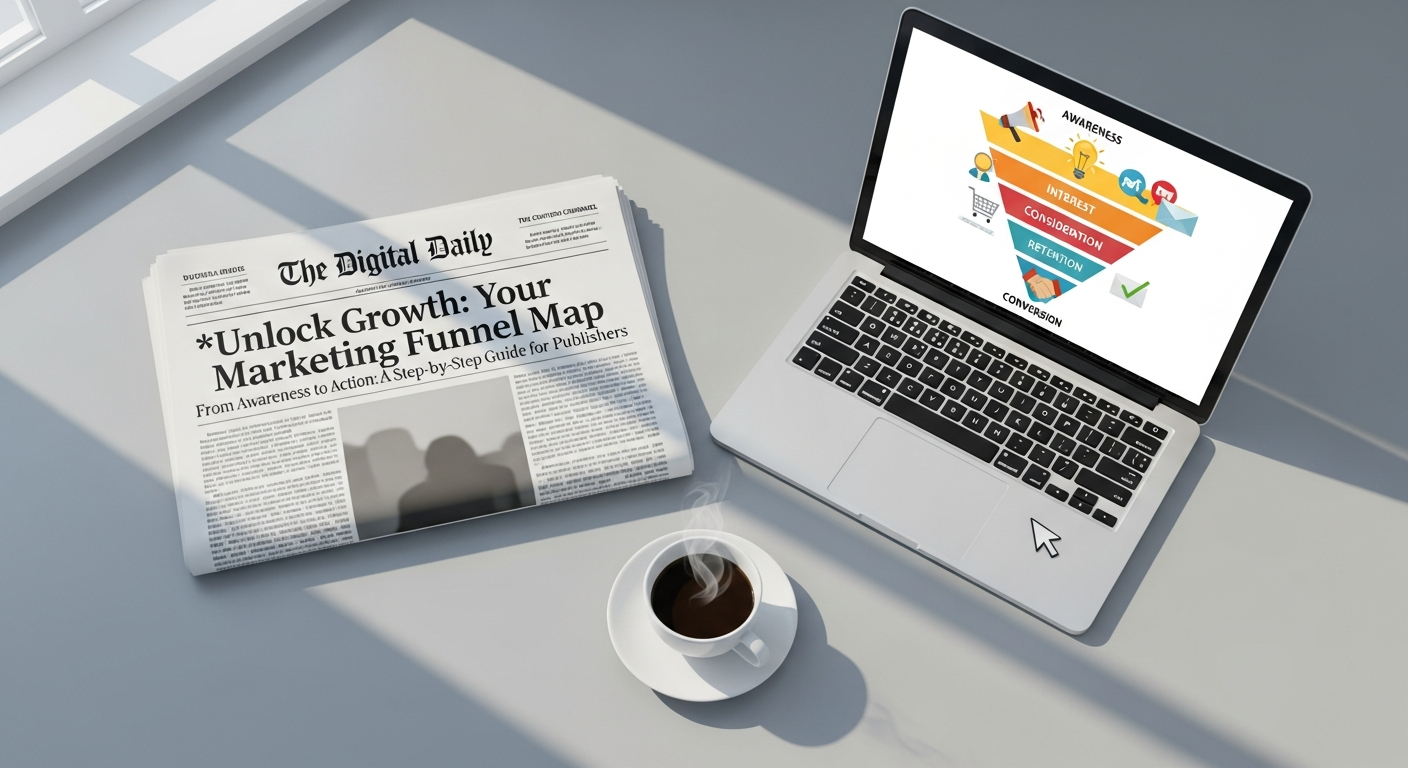
Understanding the Marketing Funnel: A Core Digital Marketing Strategy
At its heart, a marketing funnel is a visual representation of the journey a potential customer takes from their first interaction with your brand to becoming a paying customer and beyond. It’s a conceptual model designed to illustrate the various stages of customer engagement, allowing businesses to tailor their marketing efforts to guide prospects efficiently through each phase. While often depicted as a funnel—wide at the top, narrowing towards the bottom—it’s more accurately a multi-stage process that requires strategic nurturing and targeted communication.
The traditional marketing funnel typically encompasses several key stages, famously encapsulated by the AIDA model: Awareness, Interest, Desire, and Action. Modern interpretations often expand on this, adding stages like Consideration, Conversion, Retention, and Advocacy, reflecting the complete customer lifecycle. Each stage represents a different mindset and level of commitment from the prospect, necessitating distinct marketing tactics and content.
- Awareness (Top of Funnel – ToFu): This is the widest part of the funnel, where potential customers first become aware of a problem they have and, subsequently, your brand as a potential solution. The goal here is broad reach and capturing attention, not necessarily immediate sales.
- Interest/Consideration (Middle of Funnel – MoFu): At this stage, prospects are actively researching solutions to their problem. They are evaluating different options, including your offerings, and comparing them to competitors. The focus shifts from general education to demonstrating your unique value proposition.
- Desire/Decision (Bottom of Funnel – BoFu): Here, prospects are close to making a purchase decision. They have narrowed down their options and are looking for reasons to choose your brand over others. This stage is about building conviction and facilitating the conversion.
- Action/Conversion: This is the point where the prospect becomes a customer by making a purchase, signing up for a service, or completing a desired action.
- Retention & Advocacy: Often overlooked in traditional models, these post-conversion stages are critical for long-term success. Retaining customers through excellent service and encouraging them to advocate for your brand through reviews and referrals significantly boosts lifetime value and reduces acquisition costs.
For any business, especially a small business aiming to solidify its digital presence and achieve growth by 2026, a well-defined marketing funnel is the backbone of a successful digital marketing strategy. It provides clarity on customer journeys, optimizes resource allocation, and ensures that every marketing effort contributes to a measurable outcome. Without a funnel, marketing efforts can be disjointed, inefficient, and fail to convert initial interest into tangible results. It allows for a systematic approach to lead generation, nurturing, and conversion, making it a critical component of any forward-thinking strategy.
Defining Your Target Audience and Funnel Stages
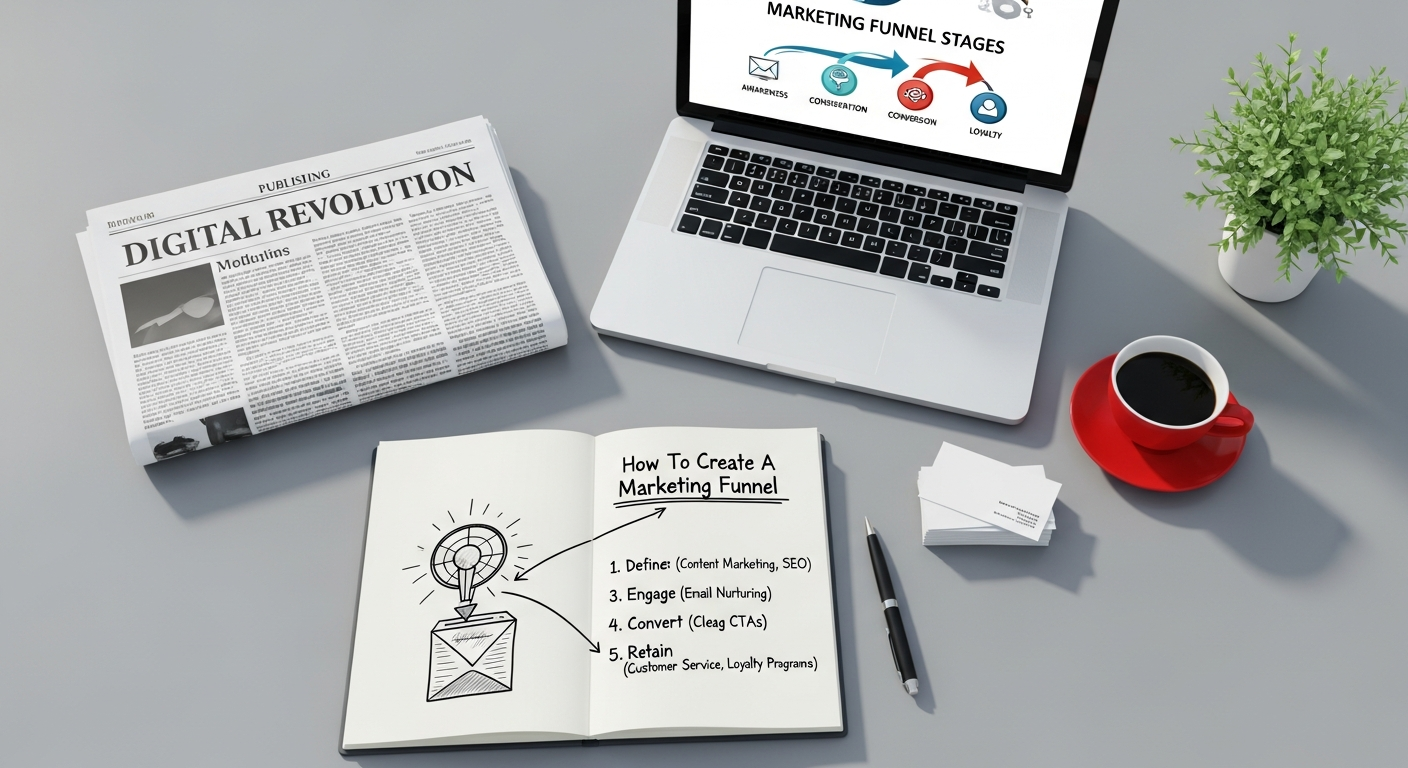
The foundation of an effective marketing funnel is a profound understanding of your target audience. You cannot guide someone through a journey if you don’t know who they are, what their needs are, and what motivates them. This crucial first step involves more than just demographic data; it requires deep empathy and detailed persona development.
Crafting Detailed Buyer Personas
Buyer personas are semi-fictional representations of your ideal customers, based on market research and real data about your existing customers. They go beyond simple demographics to include psychographics, behaviors, motivations, and pain points. For each persona, consider:
- Demographics: Age, gender, income, location, occupation, education level.
- Psychographics: Interests, hobbies, values, attitudes, lifestyle choices.
- Goals & Motivations: What are they trying to achieve? What aspirations do they have?
- Pain Points & Challenges: What problems do they face that your product/service can solve? What obstacles hinder their progress?
- Online Behavior: Which social media platforms do they use? What websites do they visit? How do they prefer to consume content (video, blogs, podcasts)?
- Objections: What hesitations might they have about your solution or similar solutions?
Creating 3-5 comprehensive buyer personas will allow you to tailor your messaging, content, and channel selection precisely for each segment. This personalization is key to moving prospects through the funnel effectively, especially as we look towards the highly individualized marketing landscapes predicted for 2026.
Mapping Content and Tactics to Funnel Stages
Once your personas are clearly defined, the next step is to map the specific stages of your marketing funnel, aligning them with the customer journey and your personas’ needs at each point. While the general AIDA model serves as a good starting point, customize it to your unique business context.
Awareness Stage (ToFu)
At this stage, your prospects are just realizing they have a problem or need, and they’re starting to look for general information. They might not even know your brand exists. Your goal is to attract their attention, provide valuable, educational content, and establish your brand as a helpful resource.
- Customer Mindset: “I have a problem/need. What is it? How can I learn more?”
- Marketing Goal: Attract, educate, build brand visibility.
- Content Focus: Broad, educational, problem-aware content. SEO-optimized articles, blog posts, infographics, short explainer videos, social media posts.
- Channels: Organic search (SEO), social media marketing, paid social ads (broad targeting), display advertising, public relations, podcast sponsorships.
- Example: A blog post titled “5 Common Challenges Small Businesses Face with Digital Marketing” or an infographic showing “The Evolution of Customer Experience in 2026.”
Consideration Stage (MoFu)
Prospects here have a clearer understanding of their problem and are actively researching potential solutions. They are comparing options, weighing pros and cons, and looking for evidence that a particular solution is right for them. This is where you demonstrate your expertise and differentiate yourself.
- Customer Mindset: “I know my problem. What are the different solutions available? How do they compare?”
- Marketing Goal: Nurture leads, build trust, demonstrate expertise, showcase unique value.
- Content Focus: Solution-oriented, comparative, detailed content. Case studies, whitepapers, webinars, expert guides, detailed product comparisons, email nurturing sequences, testimonials, free tools/templates.
- Channels: Email marketing (lead nurturing), targeted social media ads, retargeting campaigns, content marketing (deeper dives), landing pages for lead magnets.
- Example: A case study showing how your software helped a similar business streamline operations, or a webinar demonstrating a specific feature of your service. This is also a stage where platforms like LinkedIn become incredibly valuable for B2B companies, allowing you to share industry insights, host webinars, and engage in thought leadership that directly addresses the needs of decision-makers.
Decision Stage (BoFu)
At this point, prospects are ready to make a purchase. They have evaluated their options and are looking for that final push, the specific reason to choose your brand. This stage is about conversion.
- Customer Mindset: “I know what I want. Which provider offers the best solution for me right now?”
- Marketing Goal: Convert leads into customers, facilitate purchase.
- Content Focus: Sales-oriented, persuasive, direct content. Product pages, pricing guides, free trials, demos, consultations, customer reviews, testimonials, special offers, strong calls-to-action (CTAs), FAQs specific to purchasing.
- Channels: Dedicated landing pages, sales calls, email campaigns with specific offers, retargeting ads with promotional codes, live chat support.
- Example: A free 30-day trial of your software, a personalized demo with a sales representative, or a limited-time discount code for first-time buyers.
By meticulously mapping your audience and content to each funnel stage, you create a seamless, intuitive journey for your prospects, significantly increasing your chances of conversion and building a robust pipeline for future growth.
Crafting Compelling Content for Each Funnel Stage
Awareness Stage: Attracting and Educating
At the top of the funnel, the objective is to cast a wide net, attract attention, and provide initial value without being overtly promotional. This is where you introduce your brand and start building authority.
- Long-Form Content:
- SEO-Optimized Blog Posts: Comprehensive articles (1000-2000+ words) targeting broad keywords related to your industry and customer pain points. These establish thought leadership and rank well in search engines. For instance, an article detailing “The Evolution of Digital Marketing Strategy for Small Business 2026” would be ideal.
- Ultimate Guides/Ebooks: In-depth resources that solve a specific problem or explain a complex topic thoroughly. These can be gated content (requiring an email address) to generate leads for the next stage.
- Whitepapers: Authoritative reports or guides that explore a topic in depth, often presenting research or new insights.
- Short-Form Content:
- Social Media Posts: Engaging snippets, questions, polls, and short videos (e.g., Instagram Reels, TikToks, LinkedIn updates) that capture attention and drive traffic to your longer-form content.
- Infographics: Visually appealing summaries of complex data or processes, highly shareable on social media.
- Short Explainer Videos: 60-90 second videos introducing a concept or problem.
- How To Use LinkedIn For Marketing (Awareness):
- Share industry trends, insights, and thought leadership articles (often long-form content from your blog) to establish credibility.
- Participate in relevant groups and discussions to increase visibility and network.
- Post engaging questions or short updates about industry news.
- Utilize LinkedIn Ads for broad targeting based on job titles, industries, and company sizes to reach professionals who might be experiencing the problems your solution addresses.
Consideration Stage: Nurturing and Differentiating
As prospects move into the middle of the funnel, they are looking for more specific information and evidence that your solution is viable. Your content needs to build trust, address potential objections, and highlight your unique selling propositions.
- Long-Form Content:
- Case Studies: Detailed accounts of how your product/service helped a specific client achieve measurable results. These are incredibly persuasive and demonstrate real-world value.
- Webinars/Live Demos: Interactive sessions where you deep-dive into your solution, answer questions, and demonstrate its features. These can be recorded and offered on-demand.
- Detailed Product/Service Guides: More in-depth than an awareness-stage guide, these focus on specific features, benefits, and applications of your offering.
- Email Nurturing Sequences: A series of automated emails delivering valuable content, testimonials, and insights over time, keeping your brand top-of-mind.
- Short-Form Content:
- Testimonials/Customer Quotes: Short, impactful endorsements from satisfied clients, easily shareable on social media or embedded on landing pages.
- Comparison Charts: Quick visual comparisons of your product features against competitors, highlighting your advantages.
- Short Explainer Videos (Solution-focused): Videos that quickly demonstrate how a specific feature solves a particular problem.
- How To Use LinkedIn For Marketing (Consideration):
- Share customer success stories and case studies relevant to specific industries or roles.
- Host or promote webinars that address niche pain points and offer your solution as a key component.
- Engage directly with prospects who have interacted with your awareness-stage content, offering further resources.
- Utilize LinkedIn Lead Gen Forms with targeted ads to capture detailed information from interested professionals who download your whitepapers or guides.
Decision Stage: Converting and Closing
The bottom of the funnel is all about removing final barriers and prompting the desired action—a purchase, a sign-up, a consultation. Content here must be highly persuasive and directly address conversion.
- Long-Form Content:
- Comprehensive FAQs: Detailed answers to common pre-purchase questions, addressing pricing, features, support, and guarantees.
- Personalized Proposals/Consultations: Tailored documents or one-on-one sessions that directly address a prospect’s specific needs and offer a customized solution.
- Short-Form Content:
- Product/Service Pages: Highly optimized pages with clear CTAs, pricing, features, and benefits.
- Customer Reviews/Ratings: Display prominent social proof from existing customers.
- Limited-Time Offers/Discounts: Short, urgent messages designed to encourage immediate action.
- Direct Call-to-Actions (CTAs): Clear, compelling buttons or links (e.g., “Buy Now,” “Sign Up for Free Trial,” “Schedule a Demo”).
- How To Use LinkedIn For Marketing (Decision):
- Direct messaging with prospects who have shown high intent (e.g., downloaded a demo, attended a webinar).
- Showcasing positive endorsements and recommendations on your company page and employee profiles.
- Running highly targeted LinkedIn Ads with specific offers (e.g., “Request a Quote,” “Start Your Free Trial”).
- Leveraging LinkedIn Sales Navigator to identify key decision-makers and personalize outreach.
The interplay between long-form and short-form content is crucial. Short-form content grabs attention and drives initial engagement, while long-form content provides depth, builds authority, and nurtures leads effectively through the more complex stages. A balanced content strategy ensures that you cater to various preferences and levels of commitment throughout the funnel, ensuring your digital marketing strategy is robust for 2026 and beyond.
Leveraging Digital Channels and Tools for Funnel Activation
Once you have your content strategy in place, the next critical step is to deploy and distribute it effectively across the right digital channels. Each channel plays a unique role in moving prospects through your marketing funnel, and leveraging the right tools can automate and optimize these processes.
Search Engine Optimization (SEO)
SEO is fundamental for attracting prospects at the awareness and consideration stages. By optimizing your website and content for relevant keywords, you ensure that your brand appears prominently when potential customers search for solutions to their problems.
- Keyword Research: Identify keywords relevant to your industry, target audience, and each funnel stage (e.g., informational keywords for awareness, commercial keywords for decision).
- On-Page SEO: Optimize meta titles, descriptions, headings, image alt text, and content for target keywords.
- Technical SEO: Ensure your website is fast, mobile-friendly, secure (HTTPS), and easily crawlable by search engines.
- Off-Page SEO: Build high-quality backlinks from authoritative websites to enhance your domain authority.
Content Marketing Platforms
Your website’s blog, resource center, and landing pages are central hubs for your content. A robust content management system (CMS) like WordPress, HubSpot, or similar platforms, allows you to publish, organize, and manage all your long-form and short-form content efficiently.
- Blog: The primary vehicle for awareness and consideration stage content (articles, guides).
- Landing Pages: Dedicated pages designed for specific campaigns (e.g., lead magnet downloads, webinar registrations, free trials) with clear calls-to-action.
- Resource Libraries: A central repository for whitepapers, case studies, ebooks, and other valuable assets.
Social Media Marketing
Social media platforms are excellent for building brand awareness, engaging with your audience, and driving traffic. The choice of platform depends heavily on your target audience and industry.
- Facebook/Instagram/TikTok: Ideal for visual content, community building, and reaching a broad consumer audience (B2C).
- How To Use LinkedIn For Marketing: For B2B businesses, LinkedIn is unparalleled. It allows you to:
- Share industry insights and thought leadership.
- Connect directly with decision-makers and professionals.
- Promote webinars, case studies, and business-focused content.
- Utilize LinkedIn Sales Navigator for targeted lead generation.
- Run highly segmented ad campaigns based on job title, industry, and company.
- Twitter: Good for real-time engagement, news, and quick updates.
Email Marketing Automation
Email marketing is arguably the most effective channel for nurturing leads through the consideration and decision stages. Marketing automation platforms (e.g., Mailchimp, HubSpot, ActiveCampaign,
Recommended Resources
Check out High Yield Savings Account Vs Regular Savings Account on Fin3go for a deeper dive.
Learn more about this topic in Best Side Hustle Ideas To Make Extra Money 2025 at AssetBar.