

The Ultimate Website Traffic Growth Guide for 2026: Strategies That Deliver Measurable Results
1. Mastering Organic Search Visibility: Your Foundation for Sustainable Traffic
Organic search remains the most reliable and cost-effective channel for long-term website traffic growth. In 2026, Google’s algorithms are more sophisticated than ever, prioritizing user experience, topical authority, and genuine value. Building a robust organic presence requires a multi-faceted approach.
Step-by-Step Organic Search Strategy:
- Intent-Based Keyword Research: Move beyond simple keywords. Use tools like Semrush, Ahrefs, and Google Keyword Planner to uncover long-tail keywords that reveal user intent (informational, navigational, commercial, transactional). Focus on “people also ask” sections and related searches to identify full topic clusters. For instance, instead of just “CRM software,” target “best CRM for small business sales teams” or “how to integrate CRM with marketing automation.”
- Comprehensive On-Page SEO Optimization:
- Content Depth & E-A-T: Create authoritative, in-depth content that fully answers user queries. Demonstrate Expertise, Authoritativeness, and Trustworthiness (E-A-T) through well-researched articles, expert quotes, and clear author bios.
- Title Tags & Meta Descriptions: Craft compelling, keyword-rich title tags (under 60 characters) and meta descriptions (under 160 characters) that entice clicks from the SERP. Include a clear call to action where appropriate.
- Header Structure: Use H1 for your main topic, and H2s, H3s, etc., to logically structure your content, making it scannable for both users and search engines.
- Internal Linking: Strategically link to other relevant pages on your site to distribute “link juice,” improve user navigation, and establish topical authority. Aim for 2-5 internal links per 500 words.
- Image Optimization: Compress images for faster loading times (e.g., using TinyPNG or ShortPixel) and use descriptive alt text that includes relevant keywords.
- Robust Technical SEO Audit & Implementation:
- Site Speed & Core Web Vitals: Leverage Google PageSpeed Insights and Lighthouse to identify and fix issues impacting loading speed, interactivity, and visual stability. Prioritize mobile-first indexing by ensuring your site is fully responsive and loads quickly on all devices.
- Schema Markup: Implement structured data (using Schema.org types like Article, Product, FAQPage, LocalBusiness) to help search engines understand your content better and enable rich snippets in search results, boosting click-through rates.
- XML Sitemaps & Robots.txt: Ensure your XML sitemap is up-to-date and submitted to Google Search Console, and your robots.txt file correctly guides search engine crawlers.
- Crawlability & Indexability: Regularly check Google Search Console for crawl errors, duplicate content issues, and pages not being indexed.
- Strategic Off-Page SEO (Link Building): High-quality backlinks remain a powerful ranking factor.
- Guest Posting: Pitch valuable content to authoritative sites in your niche, securing contextual backlinks.
- Broken Link Building: Find broken links on relevant industry websites, then offer your content as a replacement.
- Digital PR: Create data-driven reports, unique studies, or compelling infographics that attract media attention and natural backlinks.
- Resource Page Link Building: Identify industry resource pages and suggest your valuable content for inclusion.
Real-World Example: A B2B SaaS company focusing on HR software might create an in-depth guide on “HR Compliance Checklist for Remote Teams 2026.” They’d optimize it with schema markup for FAQs, internal links to their product pages, and promote it by pitching it to HR industry publications for guest posts, securing high-authority backlinks. This holistic approach ensures the content ranks, attracts qualified traffic, and builds domain authority.
2. Unleashing the Power of Content Marketing Beyond the Blog
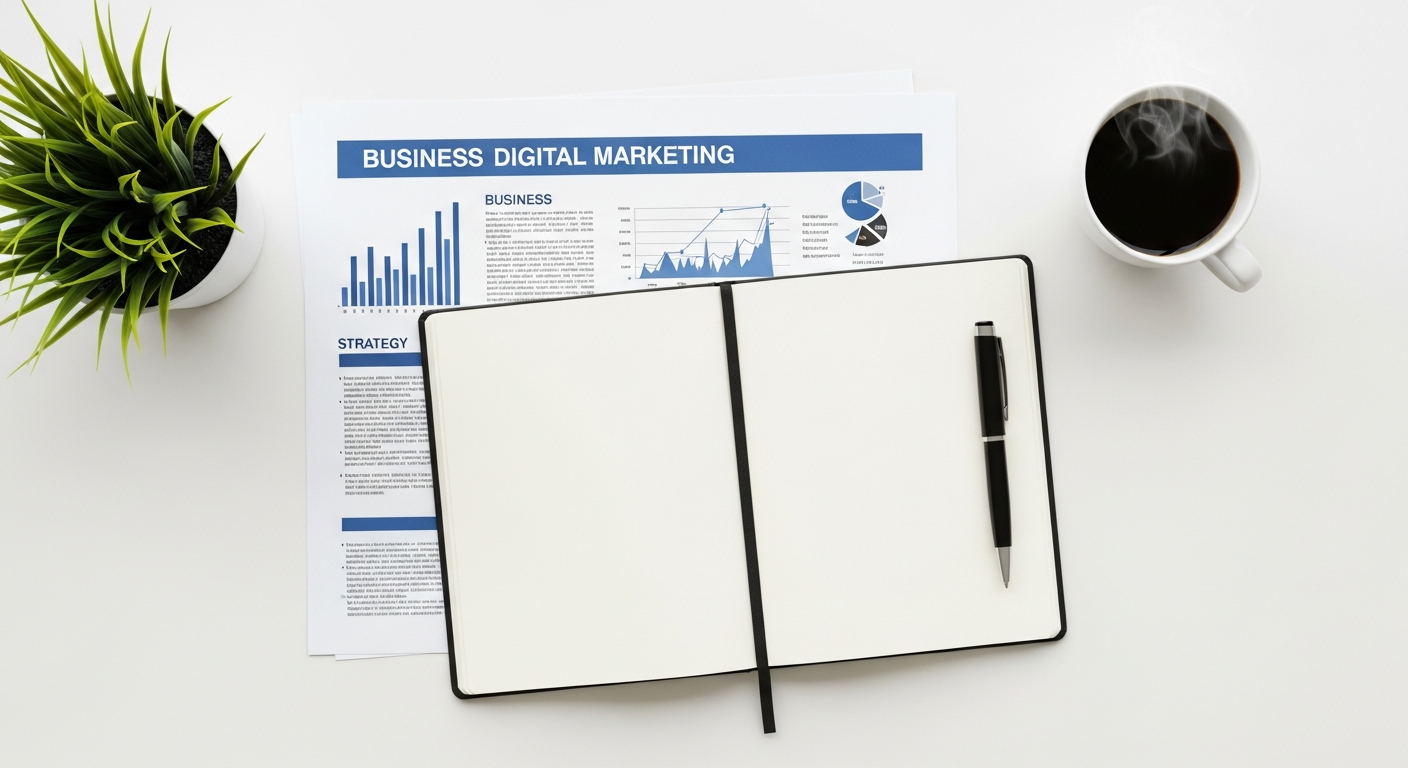
Content marketing is no longer just about blogging. In 2026, it’s about creating diverse, valuable assets that cater to every stage of your customer’s journey and distribute them across multiple channels. The goal is to establish your brand as an indispensable resource.
Developing a Multi-Format Content Strategy:
- Audience-Centric Content Mapping:
- Buyer Personas: Deeply understand your target audience’s pain points, goals, and preferred content consumption methods.
- Content Journey Mapping: Map content ideas to each stage of the buyer’s journey:
- Awareness: Blog posts, infographics, short-form video (TikTok, Reels), social media posts, quizzes.
- Consideration: E-books, whitepapers, webinars, comparison guides, case studies, long-form video tutorials.
- Decision: Product demos, free trials, testimonials, detailed pricing guides, implementation guides.
- Diversify Content Formats: Don’t limit yourself to text.
- Video Content: YouTube tutorials, LinkedIn native videos, Instagram Reels, TikTok shorts for quick tips and brand personality. Video consistently drives higher engagement and dwell time.
- Interactive Content: Calculators, quizzes, polls, interactive infographics. These boost engagement and provide valuable data about user preferences.
- Podcasts & Audio: Repurpose blog content into audio snippets or create original podcast series to reach audiences on the go.
- Visual Content: Infographics, compelling social media graphics, data visualizations to simplify complex topics.
- Strategic Content Promotion & Distribution: Creation is only half the battle.
- Social Media: Tailor content for each platform (e.g., professional insights on LinkedIn, visually appealing snippets on Instagram, short-form educational videos on TikTok).
- Email Marketing: Distribute new content to your segmented email list. Create dedicated content newsletters.
- Content Repurposing: Transform a webinar into a series of blog posts, social media snippets, and an infographic. Turn a detailed guide into a podcast episode.
- Influencer & Partner Outreach: Collaborate with relevant influencers or complementary businesses to amplify your content reach to their audiences.
- Paid Promotion: Boost high-performing content with targeted social media ads or content discovery platforms like Outbrain or Taboola.
- Content Audits & Refresh: Regularly review your existing content. Update outdated information, improve SEO, add new data, and republish for a fresh boost in search rankings. Consolidate thin content into more comprehensive guides.
Real-World Example: An e-commerce brand selling sustainable homeware might create a “Guide to Eco-Friendly Living” (e-book, blog series). They would then repurpose this into short video tips for Instagram/TikTok, host a webinar on “Reducing Your Carbon Footprint at Home,” and collaborate with eco-conscious influencers to promote all formats. This multi-channel, multi-format approach ensures maximum reach and engagement, driving traffic interested in their niche.
3. Precision-Targeted Paid Advertising for Immediate Impact
While organic growth is crucial for the long term, paid advertising offers immediate, scalable traffic. The key to success in 2026 is precision targeting, continuous optimization, and a clear understanding of your return on ad spend (ROAS).
Actionable Paid Ad Strategies:
- Platform Selection Based on Audience & Goal:
- Google Ads (Search & Display): Ideal for capturing high-intent users actively searching for solutions. Use Display Network for brand awareness and retargeting.
- Meta Ads (Facebook & Instagram): Excellent for audience discovery, brand building, and reaching specific demographics and interests with rich visual content.
- LinkedIn Ads: Unmatched for B2B targeting by job title, industry, company size, and professional interests. Perfect for lead generation and thought leadership.
- TikTok Ads: Exploding for B2C brands targeting younger demographics with engaging, short-form video content.
- Programmatic Advertising: For larger brands, leveraging data and AI to buy ad placements across a vast network of sites and apps, optimizing for specific audience segments.
- Hyper-Focused Audience Targeting:
- Demographics & Interests: Leverage platform data to target by age, gender, location, and declared interests.
- Custom Audiences: Upload customer email lists (CRM data) to create highly targeted campaigns, including lookalike audiences to find new prospects similar to your best customers.
- Behavioral Targeting: Target users based on their online behaviors, purchase history, and engagement with similar content.
- Retargeting (Remarketing): Crucial for converting warm leads. Show ads to users who have previously visited your website, interacted with your social media, or abandoned a cart.
- Compelling Ad Creative & Copy:
- A/B Testing: Continuously test different headlines, ad copy variations, images, and video creatives to identify what resonates best with your audience.
- Value Proposition: Clearly articulate your unique selling proposition and the benefits your product/service offers.
- Strong Call-to-Action (CTA): Use clear, action-oriented language (e.g., “Shop Now,” “Download Your Guide,” “Get a Free Demo”).
- Dynamic Creatives: Utilize AI-powered ad platforms to automatically generate variations of ads based on user preferences.
- Landing Page Optimization for Conversion: Your ad is only as good as the page it leads to.
- Relevance: Ensure your landing page content directly matches the ad’s promise.
- Speed & Mobile-Friendliness: A slow or non-responsive landing page will kill conversions.
- Clear CTA: Make it easy for visitors to take the desired action.
- Minimal Distractions: Remove unnecessary navigation or elements that could divert attention.
- Social Proof: Include testimonials, reviews, or trust badges.
- Budget Allocation & ROI Tracking:
- Attribution Models: Understand which touchpoints contribute to conversions (first-click, last-click, linear, time decay).
- Lifetime Value (LTV): Factor in the long-term value of a customer when calculating your acceptable Cost Per Acquisition (CPA).
- Automated Bidding Strategies: Leverage platform AI to optimize bids for specific goals (e.g., Maximize Conversions, Target CPA).
Real-World Example: A B2C subscription box service might run Meta Ads targeting lookalike audiences of their existing customers, showcasing user-generated content in their video ads. The ads would lead to a dedicated landing page with a limited-time discount and clear signup form. Simultaneously, they’d run Google Search Ads for high-intent keywords like “best monthly gift box” directly to a product comparison page. They’d meticulously track CPA and LTV to ensure profitability.
4. Building an Engaged Community & Leveraging Social Media

Social media in 2026 is less about broadcasting and more about building authentic communities. Engaged followers are more likely to visit your website, share your content, and become loyal customers.
Strategies for Social Media & Community Growth:
- Strategic Platform Selection: Don’t try to be everywhere. Focus on 2-3 platforms where your target audience spends the most time and where your content format excels.
- LinkedIn: B2B thought leadership, professional networking, industry news.
- Instagram/TikTok: Visual storytelling, behind-the-scenes, user-generated content, product showcases for B2C.
- Facebook Groups: Building niche communities around shared interests.
- X (formerly Twitter): Real-time updates, customer service, industry discussions.
- Native Content & Engagement-First Approach:
- Value-Driven Posts: Share tips, insights, tutorials, and entertaining content that provides value directly within the platform.
- Interactive Content: Polls, quizzes, Q&As, live sessions, and “ask me anything” (AMA) sessions to foster direct interaction.
- User-Generated Content (UGC): Encourage customers to share their experiences with your product/service. Reshare and celebrate UGC to build trust and social proof.
- Storytelling: Use compelling narratives to connect with your audience on an emotional level.
- Proactive Community Engagement:
- Respond Promptly: Acknowledge comments, messages, and mentions quickly and authentically.
- Foster Discussions: Ask open-ended questions, encourage debates, and facilitate conversations among your followers.
- Participate in Relevant Groups: Join industry-specific groups (e.g., on Facebook, LinkedIn) and offer valuable insights without being overly promotional.
- Influencer Collaborations & Brand Ambassadors:
- Micro-Influencers: Partner with individuals who have smaller but highly engaged and niche audiences. Their recommendations often carry more weight.
- Brand Ambassador Programs: Recruit loyal customers or fans to represent your brand and share their authentic experiences.
- Affiliate Marketing: Offer commissions to partners who drive traffic and sales to your site.
- Social Listening & Trend Monitoring: Use tools like Brandwatch, Sprout Social, or even native platform analytics to monitor brand mentions, track industry trends, and identify potential content opportunities or customer service issues. This helps you stay relevant and responsive.
Real-World Example: A fitness apparel brand might run a “30-Day Fitness Challenge” on Instagram and TikTok, encouraging users to post their progress using a specific hashtag. They’d feature the best UGC on their profile, host live Q&A sessions with fitness experts, and partner with micro-influencers for product reviews. This builds a strong community, drives traffic to their challenge sign-up page, and ultimately to their e-commerce site.
5. Maximizing Conversions Through Email Marketing & CRM Integration
Email marketing remains one of the highest ROI channels for driving traffic and converting leads. In 2026, its power is amplified by sophisticated segmentation, personalization, and seamless integration with your Customer Relationship Management (CRM) system.
Advanced Email & CRM Strategies:
- Strategic List Building: Don’t just collect emails; offer value in exchange.
- Lead Magnets: Offer high-value content like e-books, templates, checklists, free mini-courses, or exclusive reports in exchange for an email address.
- Exit-Intent Pop-ups: Capture visitors about to leave your site with a compelling offer.
- Content Upgrades: Offer bonus content related to a specific blog post (e.g., a downloadable template mentioned in the article).
- Webinar Sign-ups: Use webinars as a powerful lead generation tool.
- Interactive Quizzes/Calculators: Require an email to receive results.
- Hyper-Segmentation & Personalization:
- Behavioral Segmentation: Group subscribers based on their actions (e.g., website visits, email opens/clicks, purchase history, abandoned cart).
- Demographic & Psychographic Segmentation: Use data collected during sign-up or through surveys to segment by location, industry, job title, interests.
- Dynamic Content: Use your email marketing platform (e.g., Mailchimp, ActiveCampaign, HubSpot) to display personalized content blocks within emails based on recipient segments.
- Automated Email Workflows (Drip Campaigns): Set up sequences that trigger based on specific actions.
- Welcome Series: Introduce new subscribers to your brand, offer value, and guide them towards a first purchase.
- Abandoned Cart Recovery: Remind users of items left in their cart, often with an incentive.
- Re-engagement Campaigns: Nurture inactive subscribers with special offers or valuable content to bring them back.
- Post-Purchase Sequences: Deliver order confirmations, product usage tips, cross-sell/upsell opportunities, and solicit reviews.
- Lead Nurturing: Send a series of educational emails to prospects who downloaded a lead magnet, gradually moving them down the sales funnel.
- A/B Testing & Optimization: Continuously test elements to improve engagement and click-through rates.
- Subject Lines: Test different lengths, emojis, personalization, and urgency.
- CTAs: Experiment with wording, button color, and placement.
- Email Content: Test different layouts, image usage, and copy variations.
- Send Times: Identify the optimal times your audience is most likely to open and click.
- Seamless CRM Integration: Connect your email marketing platform with your CRM (e.g., Salesforce, HubSpot, Zoho CRM). This provides a unified view of customer interactions, allowing for highly targeted email campaigns based on sales stage, recent interactions, or customer feedback. It ensures consistency across marketing and sales efforts, driving more qualified traffic and conversions.
Real-World Example: A B2B software company offers a free trial (lead magnet). New sign-ups enter a welcome sequence introducing product features and benefits. If they don’t convert after a week, they receive an email with a case study. If they visit the pricing page but don’t convert, they get a personalized email offering a demo with a sales rep. All these actions and communications are tracked in their CRM, informing subsequent marketing and sales efforts and driving them back to the website.
6. Data-Driven Optimization: The Engine of Continuous Growth
You can implement all the strategies above, but without rigorous data analysis and continuous optimization, you’re flying blind. In 2026, advanced analytics and experimentation are non-negotiable for maximizing your website traffic and its effectiveness.
Analytics & Optimization Framework:
- Comprehensive Analytics Setup:
- Google Analytics 4 (GA4): Ensure GA4 is correctly implemented and configured to track events, conversions, and user journeys across your website and apps. Focus on understanding user engagement metrics like engaged sessions, average engagement time, and event counts.
- Google Search Console: Monitor your organic search performance, identify top-performing queries, discover crawl errors, and track core web vitals. This is your direct line to how Google sees your site.
- Heatmaps & Session Recordings (e.g., Hotjar, Crazy Egg): Visualize user behavior on your pages. See where users click, how far they scroll, and watch recordings of their sessions to identify friction points and areas for improvement.
- CRM Data: Integrate your analytics with your CRM to connect traffic sources and on-site behavior with actual sales and customer lifetime value.
- Define Key Performance Indicators (KPIs): Beyond raw traffic, focus on metrics that align with your business goals.
- Traffic Volume & Sources: Which channels are driving the most visitors?
- Bounce Rate & Engagement Rate: Are visitors finding what they expect? How long are they staying?
- Conversion Rate: What percentage of visitors are completing desired actions (e.g., lead forms, purchases, downloads)?
- Cost Per Acquisition (CPA): For paid channels, how much does it cost to acquire a customer?
- Customer Lifetime Value (CLTV): Understand the long-term value generated by traffic from different sources.
- A/B Testing & Experimentation: Formulate hypotheses based on your data and test them systematically.
- Website Elements: Test headlines, calls-to-action, button colors, images, layout, and form fields. Tools like Google Optimize (soon to be replaced by GA4’s native A/B testing features), VWO, or Optimizely can facilitate this.
- Ad Creatives & Copy: Continuously test variations of your paid ads to improve click-through rates and conversion rates.
- Email Subject Lines & Content: Optimize email campaigns for open rates and clicks.
- Landing Pages: Experiment with different offers, social proof, and page structures.
- Regular Reporting & Iteration:
- Monthly/Quarterly Reviews: Analyze performance against your KPIs. Identify trends, successes, and areas for improvement.
- Root Cause Analysis: If traffic drops or conversion rates decline, dig into the data to understand why. Is it a technical issue, a content gap, or a shift in user behavior?
- Agile Adaptation: The digital landscape evolves rapidly. Be prepared to pivot strategies based on new data, algorithm updates, and emerging trends. Continuous iteration is key to staying ahead.
Real-World Example: An online course provider notices a high bounce rate on their course landing page in GA4. Using Hotjar, they discover users are primarily looking for course testimonials and instructor credentials, which are buried at the bottom. They hypothesize that moving these elements higher up will reduce bounce rate and increase conversions. They then use Google Optimize to A/B test the original page against a new version with the testimonials prominently displayed, tracking conversion rates to validate their hypothesis and implement the winning design.