Understanding TikTok’s Dynamic Ecosystem for Brands
Before diving into specific tactics, it’s crucial to grasp the fundamental characteristics that set TikTok apart from other social media platforms. Unlike feed-based platforms where content discovery often relies on who you follow, TikTok’s “For You Page” (FYP) algorithm is a powerful engine driven by user engagement, preferences, and interests. This means that even a brand with zero followers can achieve viral reach if its content resonates. Understanding this mechanism is the cornerstone of any successful TikTok marketing strategy for brands.
The platform’s demographic landscape is also evolving. While initially popular with Gen Z, TikTok has seen significant growth across all age groups, making it a diverse arena for reaching various target audiences. Brands must recognize that authenticity, creativity, and community engagement are paramount. Polished, overly commercial content often falls flat; users gravitate towards genuine, relatable, and entertaining videos. This necessitates a shift in traditional marketing mindsets, embracing experimentation and a willingness to participate in trends rather than just observe them. The platform thrives on challenges, trending sounds, and user-generated content (UGC), creating a highly interactive environment where consumers aren’t just passive viewers but active participants in brand narratives.
Furthermore, TikTok’s rapid content consumption cycle demands a different approach to content planning and execution. The emphasis on short-form video means messages must be concise, impactful, and delivered within seconds. This contrasts sharply with strategies centered around long form vs short form content, where TikTok firmly champions the latter. Brands need to master the art of storytelling in miniature, utilizing captivating visuals, trending audio, and rapid-fire edits to hold attention. Ignoring these foundational elements risks a marketing strategy that fails to connect with TikTok’s unique user base, undermining potential ROI.
Crafting Your TikTok Content Strategy: Authenticity and Engagement First
A winning TikTok marketing strategy for brands hinges on a well-defined content approach that prioritizes authenticity, entertainment, and audience interaction. The first step is to clearly define your target audience on TikTok. While the platform boasts a broad user base, understanding which segments are most likely to engage with your brand is crucial. Research trending hashtags, popular creators, and content styles within your niche to gain insights into what resonates.
Your brand voice on TikTok should feel natural and less corporate. Embrace a conversational, often humorous, and always relatable tone. This might involve stepping outside traditional brand guidelines, allowing for more spontaneous and humanized content. Successful brands on TikTok often show behind-the-scenes glimpses, feature employees, participate in viral challenges, or create educational content presented in an entertaining, digestible format. The goal is to build a community, not just broadcast messages.
Content creation on TikTok revolves around mastering the short-form video format. Think quick cuts, engaging hooks within the first 1-3 seconds, and a clear, concise message. While participating in trending challenges and using popular sounds can boost discoverability, it’s equally important to inject originality. Brands can create their own unique challenges, leverage their products in creative ways, or tell mini-stories that align with their values. Encouraging user-generated content (UGC) is another powerful tactic. Run contests, ask questions, or invite users to create content featuring your product. UGC acts as powerful social proof and significantly amplifies your reach and credibility. Remember the contrast with long form vs short form content; TikTok demands brevity and immediate impact. Every second counts, and the ability to convey value or entertainment quickly is paramount.
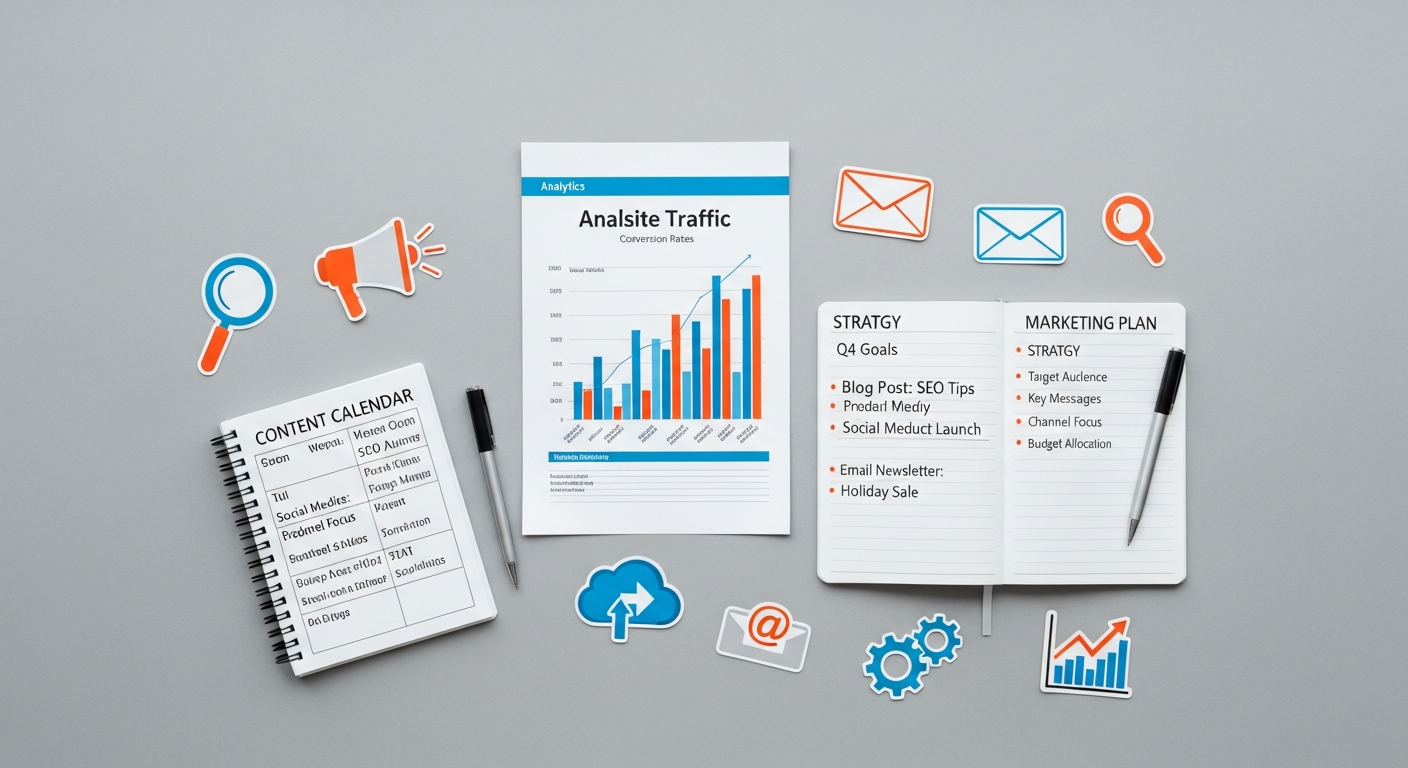
Consistency in posting is vital for maintaining visibility on the FYP and building an engaged audience. Develop a content calendar that allows for regular uploads, ideally several times a week. Experiment with different types of content – educational, entertaining, inspirational, or even direct product showcases presented creatively. Analyze your TikTok analytics to understand what performs best and iterate on your strategy. The platform rewards brands that are active, innovative, and responsive to community feedback, making it an indispensable channel for a forward-thinking digital marketing strategy small business 2026.
Leveraging TikTok’s Ad Platform and Creator Partnerships
The TikTok Ads Manager provides various ad formats:
- In-Feed Ads: These appear between user videos on the FYP, blending seamlessly with organic content. They can include calls to action (CTAs) for website clicks, app downloads, or product purchases.
- TopView: A premium full-screen video ad that appears immediately after a user opens the app, offering maximum visibility.
- Branded Hashtag Challenge: Brands create a unique hashtag and encourage users to create content around it. This is highly effective for driving user-generated content and viral engagement.
- Brand Takeover: An exclusive full-screen ad that appears when a user first opens the app, offering high impact for a limited duration.
- Spark Ads: This format allows brands to boost their own organic TikTok posts or existing organic posts from creators, leveraging authentic content for paid reach. It’s particularly effective as it retains the look and feel of organic content, often leading to higher engagement rates.
When implementing paid campaigns, precise audience targeting is critical. TikTok allows for targeting based on demographics, interests, behaviors, and even custom audiences from your CRM data. A/B testing different ad creatives, CTAs, and targeting parameters is essential for optimizing performance and maximizing your return on ad spend (ROAS).
Creator partnerships are another cornerstone of an effective TikTok strategy. The platform’s culture is heavily influenced by creators, and collaborating with them can instantly grant your brand access to their engaged communities. The TikTok Creator Marketplace (TCM) is an official platform where brands can discover, connect with, and manage campaigns with relevant creators. When choosing creators, look beyond follower count; prioritize engagement rates, audience demographics that align with your target, and a content style that naturally fits your brand’s aesthetic and values. Authentic collaborations, where creators genuinely use and endorse your product, tend to perform best.
Measuring the ROI of both paid ads and creator campaigns is crucial. Track metrics such as reach, impressions, video views, clicks, conversions, and cost per acquisition. These insights will inform future campaigns and help refine your overall TikTok marketing strategy for brands, ensuring it remains agile and effective in a continually evolving digital landscape, a key consideration for any digital marketing strategy small business 2026.
Measuring Success and Adapting Your Strategy on TikTok
Implementing a TikTok marketing strategy for brands is an iterative process. Continuous monitoring, analysis, and adaptation are vital for long-term success. TikTok provides robust analytics for Pro and Business Accounts, offering valuable insights into content performance and audience behavior.
Key metrics to track include:
- Reach and Impressions: How many unique users saw your content and how many times it was displayed.
- Video Views: The total number of times your videos were watched. High view counts often indicate successful content hooks.
- Engagement Rate: Calculated from likes, comments, shares, and saves relative to your views or followers. This is a critical indicator of how well your content resonates.
- Profile Visits: How many users clicked through to your profile after watching a video, indicating deeper interest.
- Follower Growth: While not the sole metric, consistent growth signifies a compelling content strategy.
- Audience Demographics: Insights into age, gender, and location of your viewers help refine targeting.
- Traffic Source Types: Understanding whether your views come from the FYP, following feed, or search helps optimize content for discoverability.
- Conversion Metrics: For ads or linked content, track clicks to website, landing page visits, leads generated, or actual purchases.
Beyond raw numbers, analyze the qualitative aspects of your content. Which videos sparked the most conversation in the comments? What trends did you participate in that yielded the best results? Which calls to action were most effective? Pay attention to peak posting times when your audience is most active and experiment with different content types to see what resonates. A/B testing is not just for ads; apply it to your organic content by varying video lengths, hooks, sounds, and CTAs.
The TikTok landscape is incredibly fast-paced, with trends emerging and fading within days. Staying agile and responsive is paramount. Regularly check the “For You” page and the “Discover” tab for trending sounds, effects, and hashtags. Engage with other creators and comments on your own videos to stay connected to the community pulse. Don’t be afraid to pivot your strategy if certain content types aren’t performing. The willingness to experiment, learn from data, and adapt rapidly is what distinguishes successful brands on TikTok. This dynamic approach is a fundamental pillar of any effective digital marketing strategy small business 2026, ensuring your brand remains relevant and competitive.
Integrating TikTok into Your Broader Digital Marketing Strategy
While TikTok offers immense standalone potential, its true power is unlocked when integrated seamlessly into your overarching digital marketing framework. A holistic TikTok marketing strategy for brands doesn’t operate in a vacuum; it complements and amplifies efforts across other channels, creating a synergistic effect.
One key integration point is cross-promotion. Leverage your TikTok content on other platforms. For instance, you can share snippets of your most viral TikToks on Instagram Stories or Reels, or embed them directly into blog posts on your website. Conversely, promote your TikTok profile on your website, email newsletters, and other social media channels to drive follower growth. This omnichannel approach ensures that your message reaches your audience wherever they are, reinforcing brand presence and driving traffic across your digital ecosystem.
Consider how TikTok fits into your content funnel. Its primary strength lies in driving awareness, engagement, and top-of-funnel interest due to its viral nature and entertainment focus. Once users are engaged on TikTok, you can direct them to platforms better suited for deeper engagement or conversion. For example, a compelling TikTok video might lead users to your website for more information, to a YouTube channel for long form vs short form content, or to a landing page to sign up for a newsletter. Ensure your TikTok profile link is optimized and leads to a relevant destination, whether it’s your main website, a specific product page, or a link-in-bio tool that offers multiple options.
It’s also important to understand the distinct roles of different platforms. While TikTok excels at authentic, short-form, and often humorous content for broad reach, platforms like LinkedIn serve a different purpose. For instance, understanding how to use LinkedIn for marketing primarily involves professional networking, B2B lead generation, and thought leadership. A brand’s TikTok strategy might focus on product demonstrations and customer testimonials, while its LinkedIn strategy focuses on industry insights and company culture. Both are vital, but for different objectives and audiences. For small businesses, integrating TikTok into their digital marketing strategy small business 2026 means recognizing where each platform can provide the most value and how they can feed into each other to create a cohesive brand narrative.
Finally, utilize data from TikTok to inform other marketing decisions. Insights into audience preferences, trending topics, and successful content formats can be applied to email marketing, website content, and even product development. By viewing TikTok as an integral, rather than isolated, part of your digital marketing strategy, brands can unlock its full potential for sustainable growth and brand building.
Future-Proofing Your TikTok Presence for 2026
As we look towards 2026, the digital marketing landscape, and particularly TikTok, will continue its rapid evolution. To future-proof your TikTok marketing strategy for brands, it’s essential to anticipate emerging trends, adapt to technological advancements, and remain flexible in your approach.
One significant area of growth is TikTok Shop and live commerce. The platform is increasingly integrating e-commerce capabilities, allowing users to discover and purchase products directly within the app, often during live streams. Brands that embrace these features early will gain a competitive advantage, transforming entertainment into direct sales channels. Investing in high-quality product showcases, engaging live stream hosts, and seamless purchasing experiences will be crucial. This shift further blurs the lines between content and commerce, making the platform a powerful full-funnel marketing tool.
Artificial intelligence (AI) will also play an increasingly prominent role. From AI-powered content creation tools that assist with video editing, script generation, and trend identification, to more sophisticated algorithm adjustments, brands need to stay informed. Leveraging AI for audience insights, personalized content delivery, and campaign optimization will become standard practice. However, the human element of creativity and authenticity will remain irreplaceable, emphasizing the need for a balanced approach between technology and genuine connection.
Data privacy and regulatory changes are another critical consideration. As governments worldwide implement stricter data protection laws, brands must ensure their TikTok marketing practices are compliant. Transparency with users about data collection and usage will build trust and mitigate risks. Staying informed about TikTok’s own policy updates and industry best practices will be non-negotiable for maintaining a responsible and sustainable presence.
The emphasis on community and interactive experiences will only deepen. Expect more sophisticated in-app tools for creators and brands to foster deeper connections with their audiences, including enhanced Q&A features, polls, and collaborative content formats. Brands should actively participate in these interactions, not just as marketers, but as genuine community members. This aligns perfectly with a forward-thinking digital marketing strategy small business 2026, where customer relationships and loyalty are paramount.
Finally, the fundamental principles of TikTok success – authenticity, creativity, and responsiveness to trends – will remain constant. Brands that prioritize these values, while simultaneously exploring new features and technologies, will be best positioned to thrive on the platform in 2026 and beyond. Continuous learning and a willingness to experiment are the ultimate future-proofing strategies for any brand navigating the dynamic world of TikTok marketing.
Frequently Asked Questions
Is TikTok only for Gen Z, or can older audiences be reached?▾
How often should brands post on TikTok to be successful?▾
What’s the best way to find trending sounds and hashtags on TikTok?▾
Can B2B (Business-to-Business) brands succeed on TikTok?▾
What is the difference between Spark Ads and In-Feed Ads?▾
How do I measure conversion rates from TikTok marketing efforts?▾
Recommended Resources
Related reading: What Is A Reit And Should You Invest In One (AssetBar).
Check out How To Increase Average Order Value Ecommerce on E-ComProfits for a deeper dive.