Laying the Indispensable Foundation for Scalable Growth in 2026
Before any significant scaling can occur, a small business must ensure its foundational elements are robust and future-proof. This isn’t merely about having a good product or service; it’s about establishing a resilient, adaptable framework that can support exponential growth.
Re-evaluating Your Vision and Business Model for 2026
The first step in scaling is to revisit your core vision. Is it still relevant for 2026? Has the market shifted in ways that demand a pivot or a refinement of your value proposition? A scalable business model is one that can handle increased demand without a proportional increase in costs or complexity. This often means identifying your core competencies and focusing on them, while strategically outsourcing or automating non-core activities.
- Define a Clear, Scalable Vision: Your vision for 2026 should be ambitious yet achievable, clearly outlining where you want your business to be and the impact you wish to make. This vision guides all subsequent scaling decisions.
- Assess Product/Market Fit: Reconfirm that your product or service continues to meet a significant market need. Are there emerging needs your business can uniquely address? Consider how your offerings can be adapted or expanded to new markets or customer segments.
- Optimize Your Business Model: Analyze your current operational model. Where are the bottlenecks? Can you standardize processes? Can you introduce subscription models, licensing, or franchising to replicate your success more easily? A business model that relies heavily on manual, repetitive tasks by the owner will hit a ceiling quickly.
- Identify Your Niche and Unique Selling Proposition (USP): In an increasingly crowded market, a clear niche and a strong USP are more critical than ever. What makes your business stand out? How can you amplify that difference to attract your ideal customers in 2026?
Strategic Planning and Goal Setting for the Future
Scaling requires meticulous planning and a clear roadmap. Without well-defined goals and strategies, growth can be haphazard and unsustainable.
- Set SMART Goals: Ensure your goals are Specific, Measurable, Achievable, Relevant, and Time-bound for 2026. Break down large scaling goals into smaller, manageable milestones. For instance, “increase market share by 15% in Q3 2026 through targeted digital marketing campaigns” is more effective than “grow the business.”
- Conduct Thorough Market Research: Understand the trends, competition, and customer behaviors that will shape 2026. What new technologies are impacting your industry? What are your competitors doing? Where are the untapped opportunities? This intelligence is crucial for informed decision-making.
- Develop a Robust Growth Strategy: This strategy should detail how you plan to achieve your scaling goals, including market expansion, new product development, customer acquisition tactics, and operational improvements. Consider both organic growth (e.g., increased sales, customer retention) and inorganic growth (e.g., mergers, acquisitions, partnerships).
- Financial Forecasting and Budgeting: Scaling often requires significant investment. Develop detailed financial forecasts, including projected revenues, expenses, and cash flow. Create a comprehensive budget that allocates resources effectively to support your growth initiatives.
Leveraging Cutting-Edge Technology for Scalable Operations in 2026
Technology is no longer just an aid; it’s the engine of modern business scalability. For small businesses aiming to grow in 2026, embracing and integrating the right technological solutions is non-negotiable for streamlining operations, enhancing efficiency, and delivering superior customer experiences.
Implementing Robust Software and Systems
The right suite of software can automate tedious tasks, provide critical insights, and connect disparate parts of your business, creating a cohesive and efficient operational ecosystem.
- Customer Relationship Management (CRM) Systems: A robust CRM is fundamental for managing customer interactions, tracking sales pipelines, and personalizing communication. In 2026, advanced CRMs offer predictive analytics and deeper integration with marketing and service tools, allowing you to anticipate customer needs and streamline outreach.
- Enterprise Resource Planning (ERP) Solutions: While traditionally associated with larger enterprises, simplified cloud-based ERPs are becoming accessible for small businesses. These systems integrate various business functions like accounting, inventory, HR, and project management, providing a unified view of operations and reducing manual data entry errors.
- Project Management Tools: As your team grows and projects become more complex, efficient project management software becomes critical. Tools that facilitate collaboration, task tracking, and deadline management ensure that projects stay on schedule and within budget, even with remote or distributed teams.
- Cloud Computing and Data Storage: Migrating to cloud-based solutions offers unparalleled flexibility, accessibility, and scalability. It eliminates the need for expensive on-premise hardware, allows for secure remote access, and ensures data backup and recovery, crucial for business continuity in 2026.
Embracing Automation and Artificial Intelligence
Automation and AI are transforming how businesses operate, offering unprecedented opportunities for efficiency gains and intelligent decision-making. Integrating these technologies is vital for scaling in 2026.
- Process Automation: Identify repetitive, rule-based tasks across your business – from data entry and invoice processing to customer service queries and report generation. Robotic Process Automation (RPA) and other automation tools can take over these tasks, freeing up your human workforce for more strategic, value-added activities.
- Marketing Automation Tools 2026: These tools are indispensable for scaling your marketing efforts. They allow you to automate email campaigns, social media posting, lead nurturing sequences, and personalized customer journeys. By segmenting your audience and delivering targeted content automatically, you can nurture more leads with less manual effort, significantly improving conversion rates and customer loyalty.
- AI-Powered Analytics: Utilize AI to sift through vast amounts of data, identify patterns, and generate actionable insights. This can range from predicting sales trends and optimizing pricing strategies to personalizing customer experiences and identifying potential operational inefficiencies. Data-driven decisions, powered by AI, are key to intelligent scaling.
- AI Writing Tools Content Marketing: For content creation, AI writing tools are becoming powerful allies. While they don’t replace human creativity and strategic oversight, they can assist in generating article drafts, social media captions, email subject lines, and even product descriptions. This significantly speeds up the content creation process, allowing your marketing team to focus on strategy, editing, and ensuring brand voice consistency. These tools can help small businesses produce a higher volume of quality content necessary to compete in the crowded digital space of 2026.
Mastering Digital Marketing for Small Business Scale in 2026
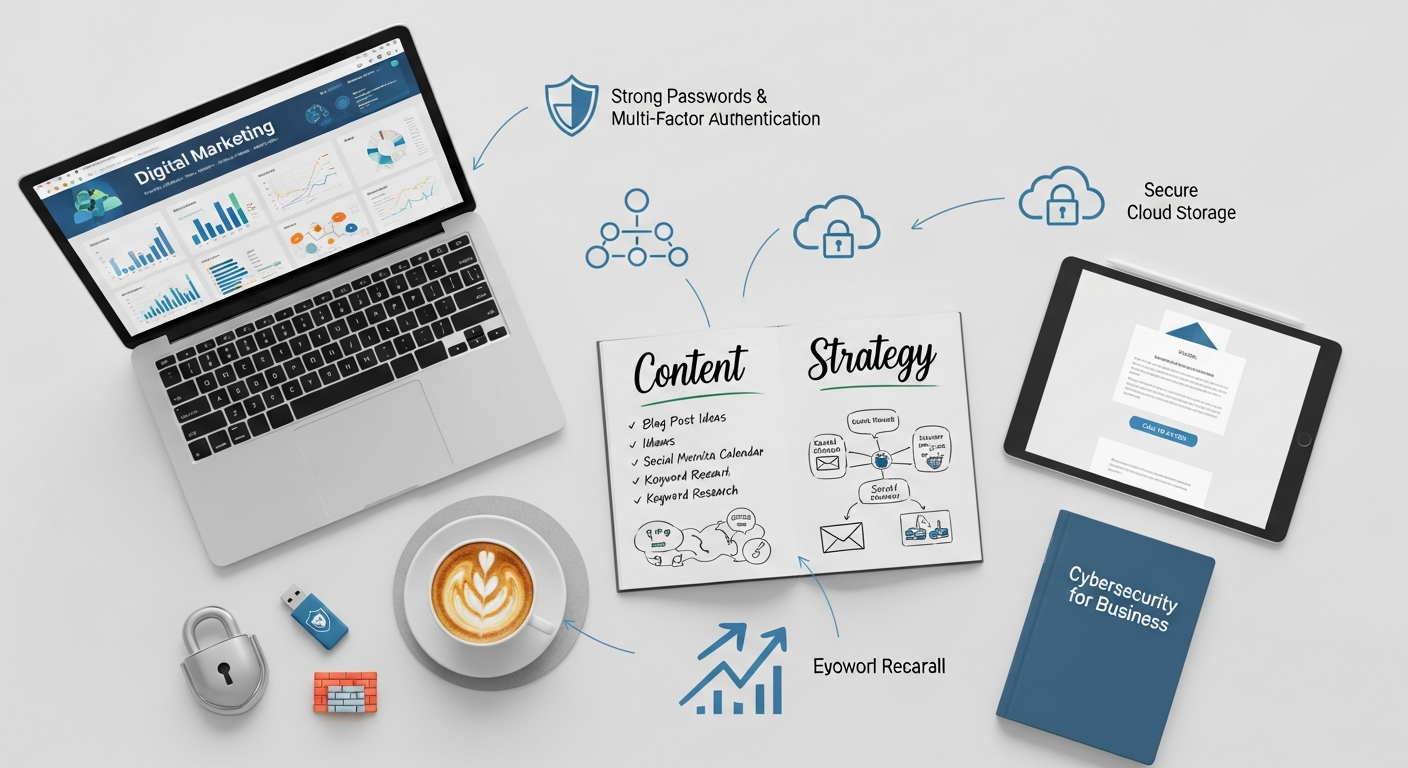
Crafting an Advanced Digital Marketing Strategy Small Business 2026
Your digital marketing strategy must be dynamic, data-driven, and customer-centric, leveraging the latest tools and trends to maximize reach and engagement.
- Omnichannel Presence: Customers interact with brands across multiple touchpoints. Your strategy for 2026 must ensure a seamless and consistent brand experience across your website, social media, email, mobile apps, and even offline interactions. Integrate your channels so customer data flows freely, enabling personalized experiences.
- Hyper-Personalization and Segmentation: Generic marketing messages are increasingly ineffective. Utilize data from your CRM and analytics tools to segment your audience deeply and deliver hyper-personalized content, offers, and communications. Tailoring messages to individual preferences significantly boosts engagement and conversion rates.
- Search Engine Optimization (SEO) in 2026: SEO remains critical, but its focus evolves. Beyond keywords, prioritize E-E-A-T (Experience, Expertise, Authoritativeness, Trustworthiness) to build credibility. Optimize for voice search, local SEO (especially important for physical businesses), and ensure your website offers an excellent user experience (Core Web Vitals). Semantic search and user intent will play an even larger role.
- Content Marketing Evolution: Content is still king, but its form and distribution are changing. Focus on high-value, problem-solving content in various formats: long-form articles, short-form video (e.g., TikTok, Reels), interactive quizzes, webinars, and podcasts. Leverage AI Writing Tools Content Marketing to assist with ideation, drafting, and optimizing content for different platforms, ensuring a consistent flow of engaging material.
- Paid Advertising Optimization: Google Ads, social media ads, and programmatic advertising continue to be powerful tools. In 2026, focus on advanced targeting options, A/B testing ad creatives, and leveraging AI for campaign optimization to achieve better ROI. Explore emerging platforms and ad formats.
Implementing Marketing Automation Tools 2026 for Efficiency
To scale your marketing efforts without scaling your team proportionally, marketing automation is indispensable. These tools streamline repetitive tasks, allowing your team to focus on strategy and creativity.
- Email Marketing Automation: Set up automated email sequences for new subscribers, abandoned carts, post-purchase follow-ups, and re-engagement campaigns. Segment your email lists to deliver highly relevant content, improving open rates and click-through rates.
- Social Media Management Tools: Automate scheduling posts across multiple platforms, monitor brand mentions, and analyze performance. These tools save time and ensure a consistent social media presence, which is vital for engagement and brand building in 2026.
- Lead Nurturing Workflows: Create automated workflows that guide leads through your sales funnel. Based on their interactions (e.g., website visits, content downloads), trigger specific emails or actions that move them closer to conversion.
- CRM Integration: Ensure your marketing automation tools are seamlessly integrated with your CRM. This allows for a unified view of the customer journey, from initial contact to conversion and beyond, enabling highly personalized and effective communication.
- Chatbots and AI-Powered Customer Support: Implement AI-driven chatbots on your website and social media to handle common customer queries 24/7. This frees up your human support team to address more complex issues, improving customer satisfaction and operational efficiency.
Building and Empowering a Future-Ready Team for 2026
Scaling a small business is impossible without a dedicated, skilled, and empowered team. As your business grows, your human capital strategy must evolve to attract, retain, and develop the talent necessary for sustained success in 2026.
Strategic Hiring and Talent Acquisition
Your hiring strategy needs to be forward-looking, anticipating the skills and roles required for future growth, not just current needs.
- Identify Key Roles for Growth: As you plan to scale, identify the critical positions that will drive that growth. This might include marketing specialists (e.g., SEO expert, content strategist leveraging AI Writing Tools Content Marketing), sales managers, operational leads, or technical developers.
- Embrace Remote and Hybrid Work Models: The talent pool is no longer limited by geography. Adopting remote or hybrid work models allows you to access a wider range of talent, potentially reducing overhead costs and increasing employee satisfaction. Ensure you have the right tools and processes to manage a distributed team effectively.
- Focus on Cultural Fit: Beyond skills and experience, hire individuals who align with your company’s values and culture. A strong cultural fit fosters collaboration, reduces turnover, and builds a more cohesive and productive team, especially crucial during periods of rapid growth.
- Streamline Your Recruitment Process: Use technology to automate parts of the hiring process, such as applicant tracking systems (ATS) and online assessment tools. Develop clear job descriptions and a structured interview process to ensure fair and effective hiring.
Developing and Empowering Your Workforce
Investing in your existing team’s growth and empowering them with autonomy is crucial for scaling. A well-trained and motivated team can take on more responsibility and drive innovation.
- Continuous Learning and Development: The business landscape of 2026 will demand new skills. Invest in ongoing training and development programs for your employees, covering areas like new technologies, digital marketing trends (e.g., advanced Digital Marketing Strategy Small Business 2026), leadership skills, and industry-specific knowledge.
- Delegation and Empowerment: As an owner, you cannot do everything. Learn to effectively delegate tasks and empower your team members to take ownership of their roles and projects. Provide them with the necessary authority and resources, and trust them to deliver.
- Foster a Culture of Innovation: Encourage experimentation, learning from failures, and continuous improvement. Create an environment where employees feel safe to propose new ideas and solutions, contributing directly to the business’s scalability and adaptability.
- Performance Management and Feedback: Implement clear performance metrics and conduct regular feedback sessions. This helps employees understand their impact, identify areas for improvement, and align their efforts with the company’s scaling objectives. Recognize and reward achievements to boost morale and retention.
Financial Acumen and Sustainable Funding for 2026 Growth
Scaling a small business requires a robust financial strategy. It’s not just about having money, but about managing it intelligently, understanding your financial health, and securing the right type of funding to fuel sustainable growth in 2026.
Mastering Cash Flow and Profitability
Healthy cash flow and consistent profitability are the lifeblood of a growing business. Without them, even the most innovative scaling strategies will falter.
- Rigorous Cash Flow Management: Cash flow is king, especially during periods of rapid growth when expenses can surge before revenues catch up. Develop detailed cash flow projections, monitor inflows and outflows religiously, and build a buffer to navigate unexpected challenges.
- Analyze Profitability Drivers: Understand which products, services, or customer segments are most profitable. Focus your scaling efforts on these high-margin areas to maximize your return on investment. Don’t be afraid to discontinue offerings that drain resources without adequate returns.
- Cost Optimization and Efficiency: Continuously look for ways to optimize operational costs without compromising quality. This could involve negotiating better terms with suppliers, leveraging automation to reduce labor costs, or optimizing your supply chain. Smart use of Marketing Automation Tools 2026 can also reduce marketing spend while increasing effectiveness.
- Pricing Strategy: Regularly review and adjust your pricing strategy to reflect market value, cost increases, and your desired profit margins. Consider value-based pricing, subscription models, or tiered pricing to capture different market segments and maximize revenue.
Securing and Managing Funding for Expansion
Scaling often requires significant capital investment. Understanding your funding options and choosing the right fit for your business is crucial for 2026.
- Develop a Comprehensive Financial Plan: Before seeking funding, create a detailed financial plan that outlines your capital needs, how the funds will be used, and projected returns on investment. This plan should include realistic revenue and expense forecasts.
- Explore Diverse Funding Options:
- Self-Funding/Bootstrapping: Reinvesting profits back into the business remains a viable option for controlled growth.
- Bank Loans and Lines of Credit: Traditional financing options are often suitable for established businesses with strong credit.
- Angel Investors and Venture Capital: If you have a high-growth potential business with a clear exit strategy, these investors can provide significant capital in exchange for equity.
- Grants and Government Programs: Research industry-specific grants or small business support programs that might be available in 2026.
- Crowdfunding: Platform-based crowdfunding can be an excellent way to raise capital while also validating your product or service and building a community of early adopters.
- Manage Investor Relations: If you take on external investors, be prepared for ongoing communication, reporting, and potentially, board involvement. Transparency and strong relationships are key.
- Financial Metrics and Reporting: Implement robust financial reporting systems to track key performance indicators (KPIs) and provide clear insights into your business’s financial health to both internal stakeholders and potential investors.
Strategic Partnerships and Ecosystem Growth in 2026
No business scales in isolation. For small businesses, forming strategic alliances and integrating into a broader ecosystem can unlock new markets, resources, and capabilities that would be difficult or impossible to achieve alone.
Identifying and Cultivating Synergistic Partnerships
Strategic partnerships can amplify your reach, enhance your offerings, and provide mutual benefits that propel both businesses forward.
- Complementary Businesses: Look for businesses that serve a similar target audience but offer non-competing products or services. A partnership could involve cross-promotion, referral programs, or bundling services to offer a more comprehensive solution to customers.
- Technology Integrations: Partner with software providers whose tools complement your offerings. For example, if you offer a service, integrating with a popular CRM or accounting software can make your service more appealing to a broader user base. This also aligns with leveraging advanced Marketing Automation Tools 2026.
- Industry Influencers and Thought Leaders: Collaborating with influencers in your niche can significantly boost your brand visibility and credibility. This can involve joint content creation (e.g., webinars, guest blogs where AI Writing Tools Content Marketing can assist with initial drafts), co-hosted events, or endorsements.
- Supplier Relationships: Develop strong, collaborative relationships with your suppliers. They can be invaluable partners in scaling, offering preferred pricing, flexible terms, or even co-developing new products.
Expanding Your Market and Reach
Partnerships can be a powerful vehicle for market expansion, allowing you to tap into new customer segments or geographic regions without the full investment of establishing a new presence yourself.
- Joint Ventures and Collaborations: Consider forming joint ventures for specific projects or market entries. This allows you to pool resources, share risks, and leverage each other’s expertise to achieve a common goal.
- Licensing and Franchising: If your business model is replicable, licensing your intellectual property or franchising your concept can be an efficient way to scale rapidly into new territories with minimal direct capital outlay.
- Channel Partnerships: Work with distributors, resellers, or affiliate marketers to extend your sales reach. These partners can introduce your products or services to their existing customer bases, providing an instant boost in market penetration.
- Community Engagement: Actively participate in industry associations, local business groups, and online communities. Networking within these ecosystems can lead to unexpected partnership opportunities, referrals, and insights into emerging trends for 2026.
Measuring Success and Adapting for 2026 and Beyond
Scaling is not a one-time event but a continuous process of growth, evaluation, and adaptation. To ensure your small business scales sustainably in 2026, you must establish clear metrics for success and build a culture of continuous improvement.
Defining and Tracking Key Performance Indicators (KPIs)
Without accurate measurement, you cannot know if your scaling efforts are effective. KPIs provide the data needed to make informed decisions and pivot when necessary.
- Financial KPIs: Track metrics like revenue growth, profit margins, customer acquisition cost (CAC), customer lifetime value (CLTV), return on investment (ROI) for marketing campaigns (especially those utilizing Marketing Automation Tools 2026), and burn rate.
- Operational KPIs: Monitor efficiency metrics such as order fulfillment time, customer service response rates, employee productivity, and inventory turnover. Identifying bottlenecks in your operations is crucial for maintaining efficiency as you scale.
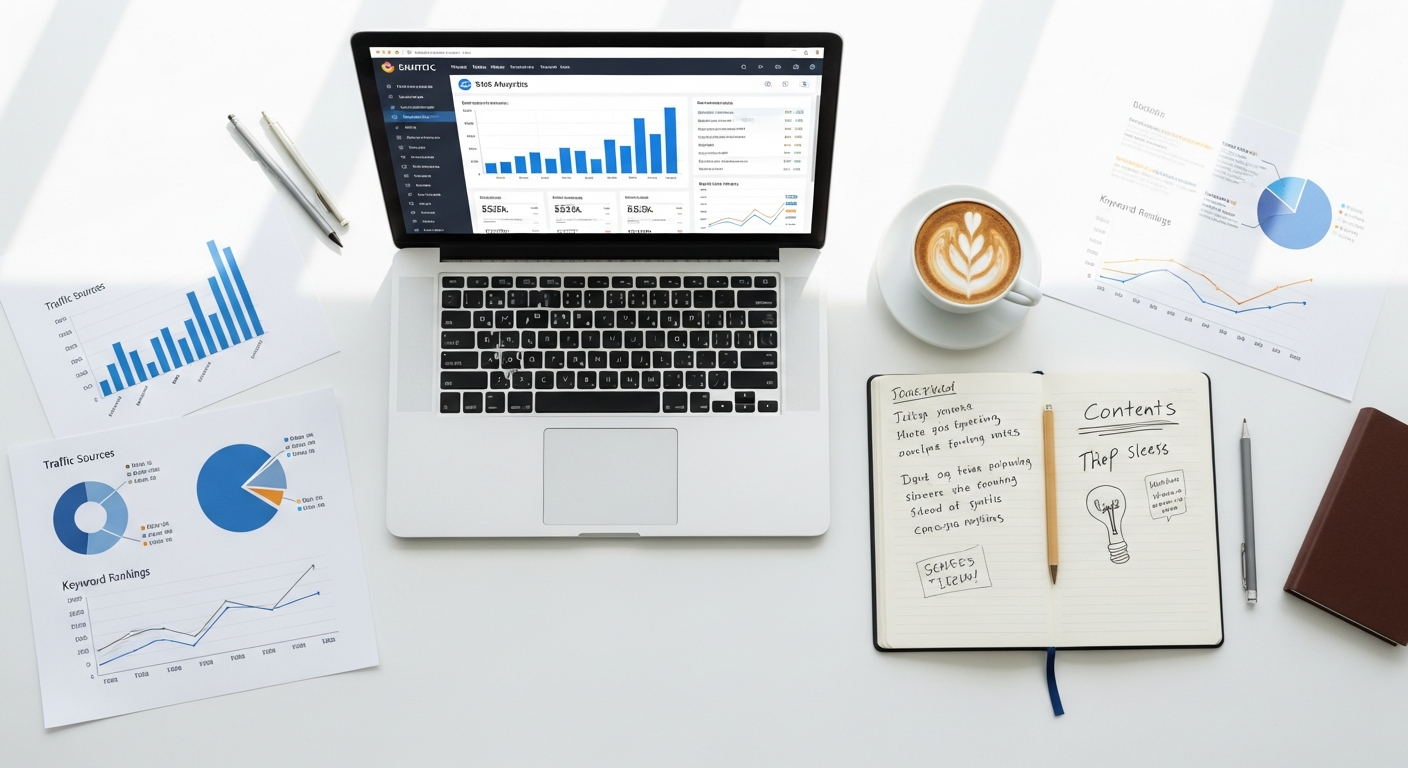
- Marketing and Sales KPIs: Focus on website traffic, conversion rates, lead generation, sales pipeline velocity, and social media engagement. Evaluate the effectiveness of your Digital Marketing Strategy Small Business 2026 by tracking these metrics closely.
- Customer Satisfaction KPIs: Use Net Promoter Score (NPS), customer satisfaction (CSAT) scores, and customer churn rates to gauge how well you are meeting customer expectations. Happy customers are your best advocates and a key driver of sustainable growth.
Embracing Agility and Continuous Improvement
The business environment of 2026 is dynamic. Your ability to adapt quickly to change will determine your long-term success in scaling.
- Regular Review and Analysis: Schedule regular meetings to review your KPIs, analyze performance against your scaling goals, and discuss market trends. Be prepared to adjust your strategies based on data and new information.
- Feedback Loops: Establish formal and informal feedback channels with your customers, employees, and partners. Their insights are invaluable for identifying areas for improvement, new opportunities, and potential problems.
- Test and Iterate: Adopt an agile mindset. Implement new strategies or features on a small scale, test their effectiveness, gather data, and then iterate or scale up. This minimizes risk and allows for rapid learning.
- Stay Informed on Emerging Trends: Keep abreast of technological advancements (e.g., new AI applications for content and marketing), shifts in consumer behavior, and competitive landscape changes. Proactive adaptation is far more effective than reactive crisis management.
- Documentation and Standardization: As you scale, document your processes, best practices, and knowledge. This reduces reliance on individual employees, facilitates onboarding of new team members, and ensures consistent quality across your expanding operations.
Frequently Asked Questions
What’s the biggest challenge for scaling a small business in 2026?▾
How important is technology in scaling a small business by 2026?▾
Can AI writing tools really help my small business with content marketing?▾
What’s a critical digital marketing strategy for small businesses in 2026?▾
How can marketing automation tools benefit my small business in 2026?▾
What role does company culture play in scaling a small business?▾
Recommended Resources
Related reading: Best Strategies For Career Advancement In 2025 (Kacerr).
Explore How To Rebalance Investment Portfolio for additional insights.