

Crafting Your 2026 Marketing Funnel: A Data-Driven Blueprint for Sustainable Growth
Understanding the Modern Marketing Funnel: Beyond AIDA
The traditional AIDA (Awareness, Interest, Desire, Action) model, while foundational, often falls short in capturing the complexity of today’s customer journey. In 2026, the marketing funnel is less a linear path and more a dynamic, multi-touchpoint ecosystem centered around the customer experience. It’s a strategic framework that maps out every interaction a potential customer has with your brand, from their first encounter to becoming a loyal advocate. The goal is to guide them seamlessly through stages, building trust and demonstrating value at each step. This requires a data-driven mindset, where every action is measured, analyzed, and optimized. We’re moving beyond simple stages to a continuous cycle of engagement, conversion, retention, and advocacy. Your funnel must be designed to meet customers where they are, understanding their needs and pain points, and providing the right information or solution at precisely the right time. This customer-centricity, backed by solid data, is what differentiates a thriving funnel from a stagnant one. It’s about anticipating their next step and proactively addressing it, rather than waiting for them to make a move.
The Customer-Centric Funnel Stages:
- Awareness: The prospect first learns about your brand or solution.
- Engagement/Interest: They show interest, actively seeking more information or interacting with your content.
- Consideration/Desire: They evaluate your offering against alternatives, weighing its benefits.
- Conversion/Action: They make a purchase, sign up, or take a desired action.
- Retention: They become a repeat customer, continuing to use your product or service.
- Advocacy: They become a brand ambassador, recommending your business to others.
Each stage demands specific strategies, content, and metrics to ensure a smooth progression. The key insight for 2026 is that customers can enter or exit at any point, and even loop back. Your funnel must be flexible enough to accommodate this non-linear behavior while consistently driving them towards your ultimate business goals.
Phase 1: Attract & Engage (Top of Funnel – ToFu)
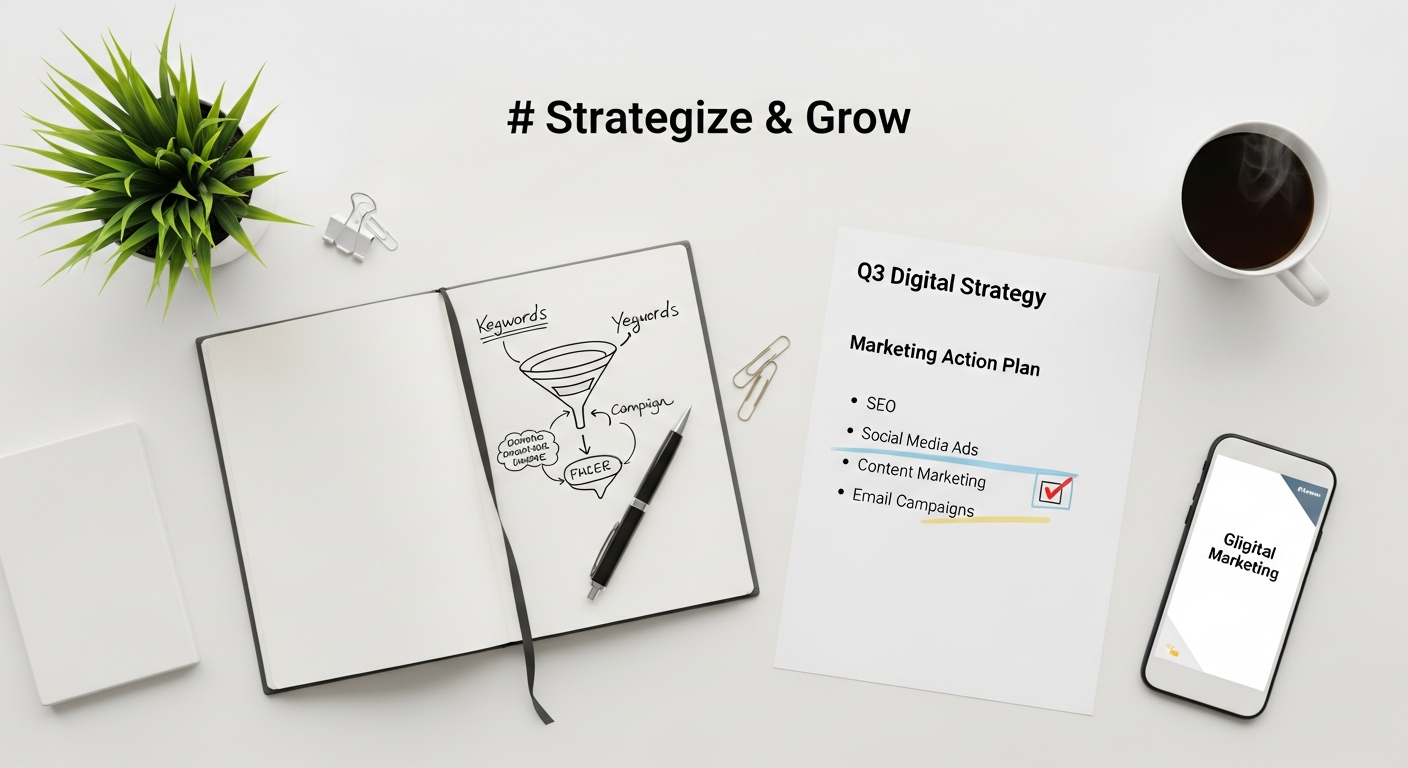
The top of your marketing funnel is all about casting a wide net to capture the attention of your target audience and generate initial interest. This is where prospects first discover your brand, often before they even realize they have a specific problem you can solve. Your objective here is not to sell, but to educate, entertain, and provide value, positioning your brand as a helpful resource or thought leader.
Actionable Strategies for ToFu Success:
- SEO-Driven Content Marketing:
- Strategy: Create high-quality, informative, and engaging content that answers common questions, addresses broad industry topics, or provides foundational knowledge relevant to your niche. This includes blog posts, articles, infographics, explainer videos, and podcasts. Focus on long-tail keywords and topic clusters that align with early-stage search queries.
- Tools: Use SEO tools like Ahrefs or SEMrush for keyword research, competitor analysis, and content gap identification. Google Search Console provides insights into how your content performs in organic search.
- Example: A B2B SaaS company specializing in project management software might create blog posts like “10 Common Project Management Challenges and How to Overcome Them” or an infographic titled “The Ultimate Guide to Remote Team Collaboration.” These pieces offer value without directly promoting the software.
- Paid Advertising (Awareness & Traffic):
- Strategy: Leverage platforms like Google Ads (Search & Display Networks) and social media ads (Facebook, Instagram, LinkedIn, TikTok) to reach a broad, but targeted, audience. Focus on brand awareness campaigns, broad interest targeting, and driving traffic to your valuable ToFu content. Use compelling ad copy and visually appealing creatives.
- Tools: Google Ads platform, Facebook Ads Manager, LinkedIn Campaign Manager, TikTok Ads Manager.
- Example: An e-commerce brand selling sustainable clothing could run Instagram ads targeting users interested in “eco-friendly fashion” or “sustainable living,” leading them to a blog post about the environmental impact of fast fashion, rather than directly to a product page.
- Organic Social Media Presence:
- Strategy: Build a strong presence on relevant social platforms by consistently sharing valuable content, engaging with your audience, and participating in industry conversations. Focus on building community and thought leadership.
- Tools: Hootsuite or Buffer for scheduling, native platform analytics.
- Example: A marketing agency could share industry insights, tips, and behind-the-scenes content on LinkedIn, establishing themselves as experts and attracting potential clients who are seeking guidance.
- Lead Magnets (Initial Capture):
- Strategy: Offer valuable, free resources in exchange for an email address. These should be directly relevant to your audience’s early-stage problems or interests. Examples include eBooks, checklists, templates, mini-courses, or recorded webinars.
- Tools: Landing page builders like Leadpages or Unbounce to create high-converting opt-in pages. Email marketing platforms like ActiveCampaign or Mailchimp to manage subscribers.
- Example: A financial advisor might offer a “Beginner’s Guide to Personal Investing” eBook, capturing leads who are just starting to think about their finances.
Key Metrics to Track for ToFu:
- Website Traffic (unique visitors, page views)
- Impressions and Reach (for ads and social posts)
- Engagement Rate (likes, shares, comments on social media)
- Click-Through Rate (CTR) for ads and content links
- Marketing Qualified Leads (MQLs) – individuals who have shown initial interest by downloading a lead magnet.
Monitoring these metrics in tools like Google Analytics 4 and your ad platforms will provide clear insights into what content and channels are most effective at attracting your target audience.
Phase 2: Nurture & Convert (Middle & Bottom of Funnel – MoFu & BoFu)
Once you’ve attracted attention, the next critical step is to nurture those leads, build trust, and guide them towards a conversion. This phase moves prospects from general interest to actively considering your solution. It’s about demonstrating your unique value proposition, addressing specific pain points, and providing the necessary information and reassurance for them to make an informed decision.
Actionable Strategies for MoFu & BoFu Success:
- Email Marketing Automation & Segmentation:
- Strategy: Develop segmented email drip campaigns based on how prospects entered your funnel (e.g., downloaded a specific lead magnet, visited certain pages). These sequences should educate, build rapport, and address potential objections. Content includes case studies, testimonials, detailed product/service benefits, FAQs, and exclusive offers.
- Tools: ActiveCampaign, HubSpot, Mailchimp, ConvertKit, Klaviyo. These platforms allow for advanced segmentation, personalization, and automation rules.
- Example: A software company sends a 5-part email sequence to leads who downloaded their “Guide to CRM Implementation.” The sequence might include an email with a client success story, another detailing a specific feature, and finally, an invitation for a free demo.
- Retargeting/Remarketing Ads:
- Strategy: Show targeted ads to users who have previously interacted with your website, social media profiles, or specific content but haven’t converted. These ads can feature specific products they viewed, compelling testimonials, or special discounts to re-engage them.
- Tools: Google Ads, Facebook Ads Manager, LinkedIn Campaign Manager.
- Example: An e-commerce store shows ads for specific shoes to users who added those shoes to their cart but didn’t complete the purchase. The ad might include a small discount or free shipping offer.
- Webinars & Workshops:
- Strategy: Host live or on-demand webinars that offer deeper insights, practical skills, or product demonstrations. These are excellent for interacting directly with prospects, answering questions in real-time, and showcasing expertise.
- Tools: Zoom Webinar, GoToWebinar, Livestorm.
- Example: A marketing agency hosts a live workshop on “Advanced Google Ads Strategies,” ending with a soft pitch for their managed PPC services.
- Case Studies & Testimonials:
- Strategy: Provide concrete proof of your value. Case studies detail how your solution helped specific clients achieve measurable results. Testimonials offer quick, powerful social proof from satisfied customers. Integrate these heavily into your landing pages, emails, and sales materials.
- Tools: Your website’s CMS, email marketing platforms.
- Example: A fitness coach features a “before and after” case study of a client who lost significant weight and improved their health using their program, complete with quotes and data.
- Product Demos & Free Trials:
- Strategy: For products or services that require hands-on experience, offer personalized demos or free trials. This allows prospects to experience the value firsthand, significantly reducing perceived risk.
- Tools: Calendly or similar scheduling tools for demos, product analytics for trial usage.
- Example: A project management software company offers a 14-day free trial, followed by a personalized onboarding call from a sales representative to help users maximize their trial experience.
- Optimized Sales Pages & Clear CTAs:
- Strategy: Your sales pages must be highly persuasive, clearly articulate benefits, address objections, and have strong, singular calls to action (CTAs). Use trust signals like security badges, guarantees, and customer reviews.
- Tools: Landing page builders (Unbounce, Leadpages), A/B testing tools (VWO, Optimizely) for continuous optimization.
- Example: An online course creator ensures their course sales page features a detailed curriculum, student success stories, a money-back guarantee, and a prominent “Enroll Now” button.
Key Metrics to Track for MoFu & BoFu:
- Email Open Rates & Click-Through Rates (CTR)
- Lead-to-Customer Conversion Rate
- Demo Requests & Free Trial Sign-ups
- Sales Qualified Leads (SQLs) – leads deemed ready for a sales conversation.
- Cost Per Acquisition (CPA)
- Return on Ad Spend (ROAS)
These metrics, tracked via your CRM (e.g., HubSpot, Salesforce) and analytics platforms, reveal the effectiveness of your nurturing efforts and conversion pathways.
Phase 3: Retain & Advocate (Post-Conversion)

The funnel doesn’t end at conversion; in fact, a significant portion of your business growth will come from maximizing customer lifetime value (CLTV) and turning satisfied customers into vocal advocates. This phase is about building lasting relationships, ensuring customer success, and leveraging positive experiences to drive referrals and repeat business.
Actionable Strategies for Retention & Advocacy:
- Robust Onboarding & Customer Success:
- Strategy: Implement a structured onboarding process that guides new customers through product setup, key features, and initial success milestones. Proactive customer support and dedicated customer success managers (for higher-value clients) ensure users get the most out of your offering, reducing churn.
- Tools: CRM systems (HubSpot, Salesforce), customer success platforms (Gainsight, ChurnZero), in-app messaging tools (Intercom, Drift).
- Example: A project management SaaS provides an automated email sequence for new users, highlighting key features and offering access to video tutorials and live Q&A sessions.
- Ongoing Value & Engagement:
- Strategy: Continuously provide value through exclusive content, product updates, user communities, and loyalty programs. Keep customers engaged and informed, demonstrating that their investment continues to pay off.
- Tools: Email marketing platforms, community platforms (Mighty Networks, Circle), CRM.
- Example: An online learning platform regularly releases new courses or modules and offers existing subscribers exclusive early access or discounts on new content.
- Upselling & Cross-selling:
- Strategy: Identify opportunities to offer additional products or services that complement a customer’s existing purchase and enhance their experience. This should be done thoughtfully, based on customer needs and usage patterns, not aggressively.
- Tools: CRM with purchase history tracking, email marketing segmentation.
- Example: A web hosting company offers existing clients premium add-ons like enhanced security features, faster servers, or managed WordPress services.
- Soliciting Reviews & Testimonials:
- Strategy: Actively encourage satisfied customers to leave reviews on relevant platforms (Google My Business, Yelp, industry-specific review sites) or provide testimonials for your website. Make it easy for them to share their positive experiences.
- Tools: Survey tools (Typeform, SurveyMonkey), direct email outreach.
- Example: After a customer has successfully used a service for 30-60 days, send an automated email asking for a review, linking directly to the desired review platform.
- Referral Programs:
- Strategy: Incentivize your existing customers to refer new ones. This leverages the power of word-of-mouth marketing, which is highly trusted and cost-effective. Offer rewards for both the referrer and the referred.
- Tools: Referral marketing platforms (ReferralCandy, GrowSurf), custom CRM integrations.
- Example: A subscription box service offers existing subscribers a free box and their friend a discount on their first box when they sign up using a unique referral link.
Key Metrics to Track for Retention & Advocacy:
- Customer Lifetime Value (CLTV)
- Churn Rate (percentage of customers lost over a period)
- Repeat Purchase Rate
- Net Promoter Score (NPS) – measures customer loyalty and willingness to recommend.
- Referral Sign-ups/Conversions
- Customer Satisfaction (CSAT) scores
These metrics are vital for understanding the long-term health of your customer relationships and the true profitability of your marketing efforts. Tools like Google Analytics 4, your CRM, and dedicated survey platforms will be indispensable here.
The Engine Room: Data, Optimization & Iteration
A marketing funnel is not a static construct; it’s a living system that requires constant monitoring, analysis, and refinement. The most successful funnels in 2026 will be those driven by data-backed insights and a culture of continuous optimization. This “engine room” phase is where you turn raw data into actionable intelligence, ensuring your funnel is always performing at its peak.
Actionable Strategies for Optimization:
- Define Clear KPIs for Each Stage:
- Strategy: Before launching any campaign, clearly define what success looks like at each stage of your funnel. What are the specific metrics you’ll track for awareness, engagement, conversion, and retention? Ensure these KPIs are measurable, relevant, and time-bound.
- Example: For ToFu, a KPI might be “Achieve 10,000 unique website visitors per month.” For MoFu, “Convert 15% of MQLs into SQLs.”
- Comprehensive Analytics Setup:
- Strategy: Implement robust analytics tracking across all your digital touchpoints. This means properly configuring Google Analytics 4 (GA4) to track events, conversions, and user behavior. Integrate your CRM and ad platforms for a holistic view of the customer journey.
- Tools: Google Analytics 4, Google Tag Manager (for easy tag deployment), CRM reporting dashboards (HubSpot, Salesforce), custom dashboards (Looker Studio, Tableau) for consolidating data.
- Process: Ensure GA4 is set up with enhanced e-commerce tracking (if applicable), custom events for key interactions (e.g., lead magnet downloads, button clicks), and conversion goals for critical actions.
- A/B Testing & Multivariate Testing:
- Strategy: Systematically test different elements of your funnel to identify what resonates best with your audience. This includes testing ad creatives, headlines, landing page layouts, call-to-action buttons, email subject lines, and even pricing models.
- Tools: VWO, Optimizely, Google Optimize (for existing users, though it’s sunsetting), built-in A/B testing features in email platforms and ad managers.
- Process: Isolate one variable per test, run the test until statistical significance is reached, implement the winning variation, and then move on to the next test. Always have a hypothesis.
- User Feedback & Behavior Analysis:
- Strategy: Supplement quantitative data with qualitative insights. Use heatmaps, session recordings, and surveys to understand why users behave the way they do on your site. Conduct user interviews to uncover pain points and motivations.
- Tools: Hotjar, Crazy Egg (heatmaps & session recordings), Typeform, SurveyMonkey (surveys).
- Example: A heatmap might reveal that users are consistently clicking on a non-clickable image on your landing page, indicating a missed opportunity for a CTA.
- Attribution Modeling:
- Strategy: Understand which marketing touchpoints contribute to conversions. Modern attribution models (e.g., data-driven in GA4, linear, time decay) provide a more accurate picture than simple last-click attribution, helping you allocate budget more effectively.
- Tools: Google Analytics 4, CRM reporting.
- Process: Analyze your attribution reports to see which channels are most effective at initiating contact, influencing consideration, and driving final conversions.
- Regular Funnel Audits & Iteration:
- Strategy: Schedule regular reviews (monthly, quarterly) of your entire funnel performance. Identify bottlenecks, underperforming content, or channels. Based on your data, make informed adjustments – whether that’s refining ad targeting, updating email sequences, or revamping landing pages.
- Process: Treat your funnel as an agile project. Plan, execute, measure, learn, and iterate. This ensures your funnel remains relevant and optimized for current market conditions.
Critical Optimization Metrics:
- Conversion Rate Optimization (CRO) across all stages
- Cost Per Lead (CPL)
- Cost Per Acquisition (CPA)
- Return on Ad Spend (ROAS)
- Customer Lifetime Value (CLTV) – often the ultimate metric for funnel health.
By embedding data analysis and optimization into your marketing DNA, you transform your funnel from a mere diagram into a powerful, self-improving growth engine capable of delivering sustained results well into 2026.