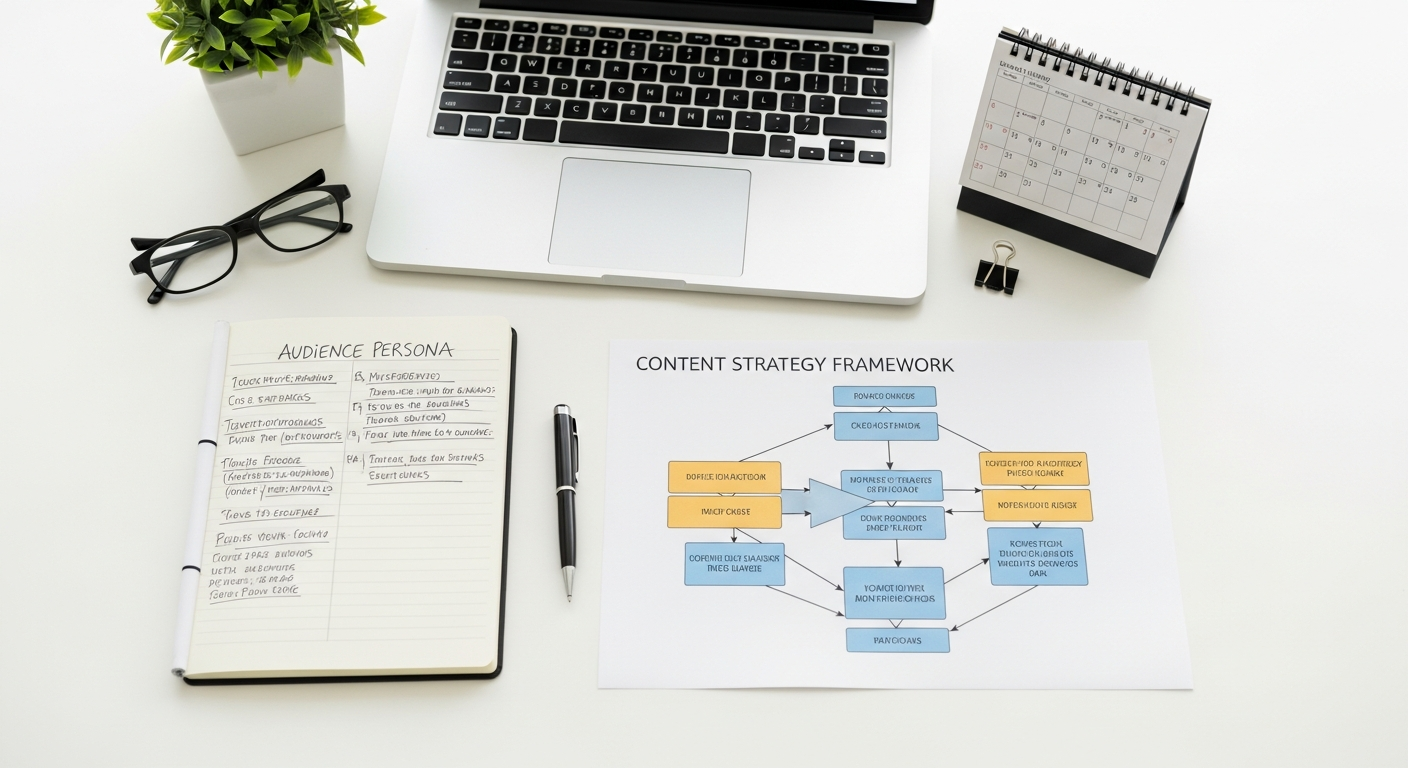
Understanding Your Audience and Defining Clear Goals
The bedrock of any successful content marketing strategy begins with a deep, empathetic understanding of who you are trying to reach and what you aim to achieve. Before you write a single word or produce a single video, you must gain clarity on these foundational elements. Neglecting this crucial first step is a common pitfall that leads to content that misses the mark, failing to resonate with its intended audience or contribute to tangible business growth.
Developing Detailed Buyer Personas
Your audience is not a monolithic entity. It consists of diverse individuals with unique needs, challenges, aspirations, and preferred communication channels. To effectively engage them, you need to create detailed buyer personas. These are semi-fictional representations of your ideal customers, built upon market research and real data about your existing customers. A comprehensive buyer persona goes beyond basic demographics, delving into:
- Demographics: Age, gender, income, location, education, occupation.
- Psychographics: Interests, hobbies, values, attitudes, lifestyle choices.
- Pain Points: What problems are they trying to solve? What frustrations do they experience?
- Goals and Motivations: What are they trying to achieve? What drives their decisions?
- Information Sources: Where do they get their information? What blogs, social media platforms, or publications do they follow?
- Objections: What might prevent them from engaging with your content or purchasing your product/service?
- Customer Journey Stages: How do their needs and information consumption habits change at different stages of their buying journey (awareness, consideration, decision)?
By understanding these nuances, you can tailor your content to address specific needs at specific points in their journey, making it far more relevant and impactful. This granular understanding is particularly vital for a Digital Marketing Strategy Small Business 2026, as small businesses often thrive by serving niche audiences with highly targeted and personalized content.
Setting SMART Content Marketing Goals
Once you know who you’re talking to, you need to define what success looks like. Your content marketing goals must be SMART: Specific, Measurable, Achievable, Relevant, and Time-bound. Vague goals like “get more traffic” are unhelpful. Instead, consider goals such as:
- “Increase organic traffic to the blog by 25% within the next 6 months.”
- “Generate 50 new qualified leads through content downloads in Q3.”
- “Improve brand awareness by achieving 100 social shares per article on average by year-end.”
- “Reduce customer support inquiries by 15% through comprehensive FAQ content in 90 days.”
These goals directly influence the types of content you create, the channels you use for distribution, and the metrics you track. They provide a clear roadmap and enable you to assess the effectiveness of your strategy consistently. Without clear, measurable goals, it’s impossible to know if your content marketing efforts are truly paying off or if adjustments are needed.
Conducting a Content Audit and Strategic Content Ideation
With a firm grasp of your audience and clear objectives, the next step in building a robust content marketing strategy involves evaluating your current content assets (if any) and brainstorming fresh, impactful ideas. This dual approach ensures you leverage existing strengths while identifying opportunities for new growth.
Performing a Comprehensive Content Audit
A content audit is a systematic review of all the content you’ve previously published across all your platforms. Its purpose is to assess what’s working, what isn’t, and where gaps exist. This process involves:
- Inventorying Content: Cataloging every piece of content (blog posts, videos, whitepapers, social media posts, landing pages, etc.) with details like URL, topic, date published, and format.
- Analyzing Performance: Using analytics tools (e.g., Google Analytics) to evaluate metrics such as organic traffic, bounce rate, time on page, social shares, backlinks, and conversion rates for each piece.
- Identifying Gaps and Opportunities:
- Which topics are performing well and could be expanded upon?
- Which content is outdated and needs updating or repurposing?
- Are there important topics or keywords you haven’t covered yet?
- Is there content cannibalization where multiple pieces target the same keyword?
- What content formats are missing from your current repertoire?
- Content Mapping: Assessing how existing content aligns with your buyer personas and their journey stages. Is there enough content for awareness, consideration, and decision stages?
The insights from a content audit provide valuable data, helping you make informed decisions about future content creation and ensuring your strategy is built on a foundation of evidence, not assumptions. It’s a critical step for optimizing your current resources and preventing redundant efforts.
Strategic Content Ideation and Keyword Research
Once you understand your current content landscape, it’s time to generate new ideas that align with your audience’s needs and your business goals. This is where strategic ideation comes into play, heavily informed by thorough keyword research.
- Keyword Research: This is fundamental for SEO-optimized content. Use tools to identify relevant keywords and phrases that your target audience is searching for. Look for a mix of high-volume, competitive head terms and long-tail keywords that indicate specific intent. Understand keyword difficulty and search intent (informational, navigational, transactional, commercial investigation). Group related keywords to create comprehensive content clusters.
- Competitor Analysis: Analyze what your competitors are doing well. What content ranks highly for them? What topics are they neglecting? This isn’t about copying but identifying successful strategies and potential content gaps you can fill.
- Audience Feedback: Listen to your audience directly. What questions do they ask on social media? What are common support queries? What topics do they engage with most in comments or forums? Conduct surveys or polls to gather direct input.
- Content Pillars and Evergreen Topics: Identify core themes or “content pillars” around which you can build a wealth of related content. These are broad topics central to your business and audience’s interests. Aim to create evergreen content that remains relevant and valuable over time, requiring minimal updates.
- Brainstorming Sessions: Engage your team in creative brainstorming. Encourage diverse perspectives and ideas, no matter how unconventional they seem initially. Tools for mind mapping and idea generation can be incredibly helpful here.
- Leveraging AI for Ideation: The rise of AI Writing Tools Content Marketing has revolutionized ideation. AI tools can analyze vast amounts of data, identify trending topics, suggest keyword variations, generate content outlines, and even brainstorm headlines and content concepts based on your input. They can help you uncover angles you might have missed, making your ideation process more efficient and comprehensive.
The output of this stage should be a content calendar or a backlog of content ideas, prioritized based on audience relevance, business impact, and strategic goals. This ensures a consistent flow of valuable content that directly addresses your strategy.
Content Creation, Optimization, and Quality Assurance
Crafting Engaging and Valuable Content
Quality is paramount. In a crowded digital space, only truly valuable and well-crafted content will cut through the noise. Focus on:
- Audience-Centricity: Always write for your audience, not for yourself. Address their pain points, answer their questions, and provide actionable solutions. Use language they understand and relate to.
- Clarity and Conciseness: Get straight to the point. Use clear, simple language. Break up large blocks of text with headings, subheadings, bullet points, and short paragraphs to improve readability.
- Authority and Credibility: Back up your claims with data, research, and expert opinions. Cite sources where appropriate. Position yourself as a knowledgeable and trustworthy resource in your industry.
- Storytelling: Incorporate narratives and examples to make your content more relatable and memorable. Stories evoke emotion and help readers connect with your message on a deeper level.
- Diverse Content Formats: Don’t limit yourself to blog posts. Explore a variety of formats to cater to different learning styles and preferences. This could include:
- Blog Posts and Articles: In-depth guides, how-to’s, listicles, opinion pieces.
- Videos: Tutorials, interviews, product demos, vlogs.
- Infographics: Visual representation of data and complex information.
- Podcasts: Audio content for on-the-go consumption.
- Whitepapers and eBooks: Long-form, authoritative content for lead generation.
- Case Studies: Demonstrating successful outcomes for clients.
- Webinars: Interactive, live presentations.
- Interactive Content: Quizzes, polls, calculators.
SEO Optimization for Visibility
Even the best content won’t be effective if it can’t be found. Search Engine Optimization (SEO) is crucial for ensuring your content ranks highly in search engine results. Key SEO practices include:
- Keyword Integration: Naturally weave your target keywords and related semantic keywords throughout your content, including in headings, subheadings, and the body text. Avoid keyword stuffing, which can hurt your ranking.
- Meta Descriptions and Title Tags: Craft compelling and keyword-rich title tags and meta descriptions for each piece of content. These snippets appear in search results and encourage clicks.
- Header Tags (H2, H3, etc.): Use header tags to structure your content logically. They improve readability for users and signal to search engines the important topics within your article.
- Image Optimization: Use descriptive file names and alt text for all images. This improves accessibility and helps search engines understand the image content.
- Internal Linking: Link to other relevant content on your own website. This helps distribute link equity, improves user navigation, and keeps visitors on your site longer.
- External Linking: Link out to reputable, authoritative external sources when appropriate. This adds credibility to your content.
- Mobile Responsiveness: Ensure all your content is easily viewable and navigable on mobile devices, as mobile-first indexing is a standard practice for search engines.
- Page Speed: Optimize your content and website for fast loading times, which is a significant ranking factor and user experience enhancer.
Leveraging AI Writing Tools in Content Creation
The landscape of content creation is being rapidly transformed by AI Writing Tools Content Marketing. These tools are becoming indispensable for efficiency and scale:
- Drafting and Outlining: AI can quickly generate initial drafts, outlines, and summaries, saving significant time for content creators who can then refine and add their unique voice.
- Grammar and Style Checks: Advanced AI-powered grammar checkers go beyond basic spelling, offering suggestions for tone, clarity, and conciseness, elevating the overall quality of your writing.
- Content Repurposing: AI can help transform a long-form article into social media posts, email snippets, video scripts, or even podcast outlines, maximizing the value of each content piece.
- Personalization: AI can analyze user data to help create more personalized content experiences, tailoring messages to individual preferences and behaviors.
- Translation and Localization: For businesses targeting global audiences, AI tools can facilitate efficient content translation and localization, ensuring cultural relevance.
While AI tools are powerful, it’s crucial to remember they are aids, not replacements, for human creativity and critical thinking. Always review and refine AI-generated content to ensure it aligns with your brand voice, accuracy, and strategic objectives.
Content Distribution and Strategic Promotion
Creating exceptional content is only half the battle; the other half is ensuring it reaches your target audience. A well-orchestrated distribution and promotion strategy amplifies your content’s reach and impact, turning creation efforts into tangible results.
Multi-Channel Distribution Strategy
Your content should live across various channels where your audience spends their time. A multi-channel approach maximizes visibility and engagement:
- Owned Channels: These are platforms you control:
- Your Website/Blog: The primary hub for your long-form, evergreen content.
- Email Marketing: Building an email list allows you to directly deliver new content, exclusive insights, and promotions to engaged subscribers. Segment your lists for personalized content delivery.
- Social Media Profiles: Share snippets, teasers, and links to your content on platforms relevant to your audience (LinkedIn, Facebook, X, Instagram, TikTok, Pinterest, YouTube). Adapt content format and tone for each platform.
- Earned Channels: These are channels where others promote your content for you:
- Public Relations: Securing media mentions, press releases, and expert quotes that reference your content.
- Influencer Marketing: Collaborating with industry influencers who can share your content with their followers.
- Guest Blogging/Syndication: Publishing your content on other reputable sites or having them republish yours (with canonical tags) to reach new audiences.
- Online Communities and Forums: Participating in relevant industry forums, Reddit communities, or LinkedIn groups, sharing your content when it genuinely adds value to a discussion.
- Backlinks: Earning organic backlinks from authoritative websites, which not only drives referral traffic but also significantly boosts your SEO.
- Paid Channels: These involve investing money to promote your content:
- Social Media Advertising: Running targeted ads on platforms like Facebook, Instagram, or LinkedIn to boost content visibility to specific demographics.
- Search Engine Marketing (SEM)/PPC: Using Google Ads or Bing Ads to promote specific content pieces or landing pages that address high-intent keywords.
- Content Discovery Platforms: Platforms like Outbrain or Taboola can promote your content to broader audiences on publisher sites.
- Native Advertising: Content that blends seamlessly with the surrounding editorial content on a platform.
For a Digital Marketing Strategy Small Business 2026, leveraging a mix of these channels is crucial. Small businesses can often find significant ROI in organic and earned channels, but targeted paid promotion can provide a vital boost in competitive niches.
Leveraging Marketing Automation Tools 2026
The complexity of multi-channel distribution necessitates efficiency, and this is where Marketing Automation Tools 2026 become indispensable. These tools streamline repetitive tasks, improve personalization, and ensure consistent content delivery:
- Email Marketing Automation: Tools like Mailchimp, HubSpot, or ActiveCampaign can automate email sequences (e.g., welcome series, lead nurturing drips, content update notifications) based on user behavior and segmentation.
- Social Media Scheduling: Platforms such as Buffer, Hootsuite, or Sprout Social allow you to pre-schedule social media posts across multiple platforms, ensuring a consistent presence without manual effort. They also provide analytics to optimize posting times and content types.
- Lead Nurturing Workflows: Automation platforms can set up complex workflows that deliver specific content to leads based on their interactions with your website or previous content, guiding them through the sales funnel.
- Website Personalization: Some advanced tools can dynamically alter website content or calls-to-action based on a visitor’s past behavior or demographic data, delivering a more relevant experience.
- Content Syndication Automation: Certain tools can help automate the process of submitting your content to various syndication partners or aggregators.
By automating these processes, your team can focus more on strategic thinking, content creation, and analysis, rather than getting bogged down by manual distribution tasks. This efficiency is a game-changer for businesses of all sizes looking to scale their content marketing efforts effectively.
Performance Measurement, Analysis, and Iteration
A content marketing strategy is not a static document; it’s a living framework that requires continuous monitoring, analysis, and adaptation. Without regularly measuring performance, you can’t truly understand what’s working, what needs improvement, or how to optimize your future efforts.
Key Performance Indicators (KPIs) for Content Marketing
To effectively measure your content’s impact, you need to track specific KPIs that align directly with your SMART goals. These can be categorized broadly:
- Consumption Metrics: How much content is being viewed?
- Page Views/Unique Visitors: Total traffic to your content.
- Time on Page/Average Session Duration: Indicates engagement level.
- Bounce Rate: The percentage of visitors who leave after viewing only one page. A high bounce rate might signal irrelevant content or poor user experience.
- Downloads/Plays: For eBooks, whitepapers, podcasts, or videos.
- Engagement Metrics: How are people interacting with your content?
- Social Shares, Likes, Comments: Indicate resonance and reach.
- Backlinks: A powerful signal of content authority and value.
- Email Open Rates and Click-Through Rates (CTRs): For content distributed via email.
- Comments on Blog Posts: Direct feedback and community building.
- Lead Generation Metrics: Is your content attracting potential customers?
- Lead Conversions: How many leads are generated directly from specific content pieces (e.g., form fills, gated content downloads).
- Conversion Rate: The percentage of visitors who complete a desired action.
- Marketing Qualified Leads (MQLs): Leads deemed ready for sales follow-up.
- Sales and Revenue Metrics: Is content contributing to the bottom line?
- Sales Attributed to Content: Tracking revenue generated from leads sourced through content marketing.
- Customer Lifetime Value (CLV): How content supports customer retention and loyalty.
- Return on Investment (ROI): Calculating the financial return on your content marketing spend.
- SEO Metrics: How visible is your content in search?
- Keyword Rankings: Position of your content for target keywords.
- Organic Search Traffic: Visitors coming from search engines.
- Impressions: How many times your content appeared in search results.
Utilizing Analytics Tools and Reporting
To track these KPIs, you’ll need robust analytics tools:
- Google Analytics (or similar web analytics platforms): Provides deep insights into website traffic, user behavior, conversions, and acquisition channels.
- Google Search Console: Offers critical data on your site’s search performance, including keyword rankings, impressions, clicks, and indexing status.
- Social Media Analytics: Most social platforms (Facebook Insights, X Analytics, LinkedIn Analytics) offer built-in tools to track engagement, reach, and audience demographics.
- Email Marketing Platform Analytics: Provides data on open rates, click-through rates, unsubscribes, and conversion from emails.
- CRM Systems: Integrating your CRM (e.g., Salesforce, HubSpot CRM) with your content marketing efforts allows you to track leads from content all the way through the sales funnel, providing a holistic view of content’s impact on revenue.
- SEO Tools: (e.g., SEMrush, Ahrefs, Moz) offer comprehensive keyword tracking, competitor analysis, backlink monitoring, and content gap analysis.
Regularly compiling and reviewing reports based on these metrics is crucial. Don’s just collect data; interpret it. Understand the ‘why’ behind the numbers. A decrease in time on page for a specific article might indicate a need for better readability or more engaging visuals.
Iterative Optimization and A/B Testing
The insights gained from performance analysis should inform your future content strategy. This iterative process involves:
- Content Optimization: Updating existing content with fresh data, new keywords, improved visuals, or clearer calls-to-action based on performance. This can significantly boost the longevity and effectiveness of your content assets.
- Content Pruning: Removing or consolidating underperforming content that no longer serves a purpose or actively harms your SEO.
- A/B Testing: Experimenting with different headlines, calls-to-action, content formats, or distribution channels to see which variations perform best. This data-driven approach allows for continuous improvement.
- Audience Feedback Loop: Actively solicit feedback from your audience through surveys, comments, or direct outreach. Their input is invaluable for refining your content.
- Staying Agile: The digital landscape is constantly changing. Be prepared to adapt your strategy in response to new trends, algorithm updates, or shifts in your audience’s needs. This agility is key for a successful Digital Marketing Strategy Small Business 2026, allowing you to quickly pivot and capitalize on emerging opportunities.
By embracing a culture of continuous improvement, your content marketing strategy will evolve, becoming more efficient and impactful over time, driving sustainable growth for your business.
Embracing Future Trends and Technology for 2026
The digital marketing landscape is in constant flux, driven by technological advancements and evolving consumer behaviors. To build a future-proof content marketing strategy, especially looking towards 2026, it’s crucial to anticipate and integrate emerging trends and tools. Ignoring these shifts means risking obsolescence and falling behind competitors.
The Pervasive Role of Artificial Intelligence
AI’s influence on content marketing will only deepen by 2026. Beyond the AI Writing Tools Content Marketing mentioned earlier, AI will impact nearly every facet of your strategy:
- Hyper-Personalization at Scale: AI will enable businesses to deliver highly personalized content experiences to individual users based on their real-time behavior, preferences, and journey stage. This moves beyond basic segmentation to truly dynamic content.
- Predictive Analytics: AI can analyze vast datasets to predict future content trends, audience interests, and even optimal publishing times, allowing marketers to create content that proactively meets demand.
- Content Curation and Discovery: AI algorithms will become even more sophisticated in curating relevant content for users, meaning your content needs to be exceptionally engaging and relevant to be surfaced.
- Automated Content Audits and Optimization: AI tools will assist in identifying content gaps, suggesting optimization opportunities for existing content, and even flagging content that might be underperforming or outdated.
- Voice Search Optimization: With the rise of smart speakers and voice assistants, AI will play a critical role in understanding natural language queries, requiring content to be optimized for conversational search terms and answer specific questions directly.
Embracing AI isn’t about replacing human creativity but augmenting it, allowing content marketers to be more strategic, efficient, and impactful.
Interactive and Immersive Content Experiences
Static content will increasingly give way to more engaging, interactive formats. By 2026, expect a greater emphasis on:
- Interactive Quizzes and Polls: Excellent for engagement, lead generation, and gathering audience insights.
- Augmented Reality (AR) and Virtual Reality (VR) Content: Brands will explore AR filters, virtual try-ons, and immersive VR experiences to tell stories and showcase products in novel ways.
- Live Streaming and Webinars: Real-time engagement offers authenticity and direct interaction with your audience.
- Personalized Video Content: Dynamically generated video snippets tailored to individual viewer preferences or data points.
- Gamification: Incorporating game-like elements into content to increase participation and loyalty.
These formats offer richer experiences, higher engagement rates, and more memorable brand interactions.
Data Privacy and Ethical Content Practices
As technology advances, so does the public’s awareness and concern about data privacy. By 2026, stricter data regulations (like GDPR and CCPA) will likely be more widespread globally. Content marketers must prioritize:
- Transparency: Be clear about how you collect and use user data.
- Consent: Obtain explicit consent for data collection and marketing communications.
- Ethical AI Usage: Ensure AI tools are used responsibly and without bias, especially when generating or personalizing content.
- Trust Building: Content that educates on data privacy, emphasizes security, and promotes transparency will build stronger trust with audiences.
Building trust through ethical practices will be a significant differentiator and competitive advantage.
Sustainability and Social Responsibility in Brand Storytelling
Consumers, particularly younger generations, are increasingly making purchasing decisions based on a brand’s values and commitment to social and environmental responsibility. Your content strategy for 2026 should naturally integrate:
- Purpose-Driven Content: Showcase your brand’s mission, values, and positive impact on the world.
- Authenticity: Be genuine in your storytelling about sustainability and social causes. Avoid greenwashing.
- Community Engagement: Highlight your involvement with communities and initiatives.
This approach not only resonates with conscious consumers but also fosters a stronger, more meaningful brand identity.
For a Digital Marketing Strategy Small Business 2026, embracing these trends isn’t about having an unlimited budget, but about being strategic. Small businesses can leverage free AI tools, focus on community-building through live content, and authentically weave their values into their storytelling. The key is to remain adaptable, continuously learn, and be prepared to integrate new technologies and approaches to stay relevant and competitive in an ever-evolving digital ecosystem.
Building a Sustainable Content Workflow and Team
Even the most brilliant content marketing strategy will falter without an efficient workflow and a dedicated team to execute it. Establishing clear processes and roles is crucial for consistent content production, quality control, and long-term success. This is especially true as you scale your efforts and aim for sustained impact.
Defining Roles and Responsibilities
A well-structured content marketing team ensures that every stage of content creation and distribution is covered efficiently. While roles might be combined in smaller teams, the key functions typically include:
- Content Strategist: Oversees the entire strategy, ensures alignment with business goals, conducts audits, and defines content pillars.
- Content Creator/Writer: Researches, writes, and develops various content formats (blog posts, scripts, guides). This role may specialize in specific niches or formats.
- Editor/Proofreader: Ensures content accuracy, consistency in brand voice, grammatical correctness, and adherence to style guides.
- SEO Specialist: Conducts keyword research, optimizes content for search engines, monitors rankings, and provides technical SEO guidance.
- Graphic Designer/Videographer: Creates visual assets, infographics, videos, and other multimedia elements that enhance content.
- Social Media Manager: Manages content distribution across social platforms, engages with the audience, and monitors social trends.
- Marketing Automation Specialist: Configures and manages Marketing Automation Tools 2026 for email campaigns, lead nurturing, and content distribution workflows.
- Analyst/Data Specialist: Tracks KPIs, generates performance reports, and provides insights for iterative optimization.
For a Digital Marketing Strategy Small Business 2026, one person might wear multiple hats, or you might rely on freelancers and agencies. The important thing is that these functions are explicitly assigned and understood, regardless of who performs them.
Establishing a Content Workflow Process
A clear workflow streamlines content production from ideation to publication and promotion. While the specifics may vary, a typical content workflow includes:
- Ideation & Planning: Brainstorming, keyword research, audience analysis, content calendar creation.
- Outline & Research: Developing a detailed outline, gathering data, sources, and examples.
- Content Creation: Drafting the content, producing visuals, and integrating multimedia.
- Editing & Optimization: Review for grammar, style, factual accuracy, SEO best practices (meta descriptions, internal links), and brand voice.
- Approval: Internal review by stakeholders to ensure alignment and accuracy.
- Publication: Uploading and formatting content on the chosen platform (CMS, social media).
Recommended Resources
Explore How To Negotiate Bills And Lower Expenses for additional insights.
Learn more about this topic in How Much Should I Have In Emergency Fund at Trading Costs.