Dominating Online Sales: Your Complete E-commerce Marketing Strategy Guide for 2026
By Page Release Editorial Team | Published: July 20, 2024
The Evolving E-commerce Landscape: What to Expect in 2026
- Hyper-Personalization Driven by AI: Generic marketing is a relic of the past. AI and machine learning will enable unparalleled personalization, from product recommendations to dynamic pricing and tailored content, creating highly individualized shopping experiences.
- The Rise of Social Commerce and Live Shopping: Social media platforms are no longer just discovery channels; they are direct sales platforms. Expect more integrated shopping features, live stream shopping events, and influencer-led storefronts to become mainstream.
- Increased Emphasis on Privacy and Trust: With evolving data privacy regulations (like GDPR and CCPA) and growing consumer awareness, brands must prioritize transparent data practices, ethical AI use, and secure transactions to build and maintain trust.
- Sustainability and Ethical Consumerism: Consumers are increasingly scrutinizing brands’ environmental and social impact. E-commerce businesses that integrate sustainable practices, transparent supply chains, and ethical sourcing into their core operations and messaging will gain a significant competitive edge.
- Seamless Omnichannel Experiences: The lines between online and offline are blurring further. Customers expect a consistent and seamless experience across all touchpoints—website, app, social media, physical stores, and customer service channels.
- Mobile-First Dominance: Mobile commerce continues its upward trajectory. An optimized mobile experience is no longer a luxury but a fundamental requirement for conversion and customer satisfaction.
Actionable Tip: Conduct a comprehensive SWOT analysis of your current e-commerce operations in light of these trends. Identify gaps and opportunities where your business can innovate and differentiate. Start investing in data infrastructure that supports advanced analytics and AI-driven personalization.
Building Your Foundational E-commerce Marketing Strategy: The Pillars of Presence
A robust e-commerce marketing strategy begins with a solid foundation. This involves optimizing your digital storefront and ensuring it’s discoverable and engaging for your target audience.
Website Optimization for User Experience (UX) and Performance
Your website is your primary sales channel. Its design, functionality, and speed directly impact conversion rates. A poorly designed or slow website can lead to high bounce rates and lost sales, regardless of how good your products are.
- Mobile Responsiveness: Ensure your site is fully optimized for all devices, especially smartphones. A mobile-first design approach is crucial given that over 70% of e-commerce traffic originates from mobile devices.
- Site Speed: Page load times are critical. Aim for load times under 2 seconds. Tools like Google PageSpeed Insights can help you identify and fix performance bottlenecks. Fast sites improve user experience and SEO rankings.
- Intuitive Navigation & Search: Customers should be able to find what they need quickly. Implement clear category structures, robust search filters, and an effective internal search engine.
- High-Quality Product Pages: These are your virtual sales associates. Include high-resolution images (with zoom), 360-degree views, video demonstrations, detailed descriptions, customer reviews, and clear calls-to-action (CTAs).
- Streamlined Checkout Process: Minimize steps, offer guest checkout options, integrate popular payment methods, and clearly display shipping costs and delivery times to reduce cart abandonment, which averages around 70%.
Search Engine Optimization (SEO) for E-commerce
Appearing prominently in search results is vital for organic traffic. Your e-commerce marketing strategy must include dedicated SEO efforts.
- Keyword Research: Identify relevant keywords for your products and categories, including long-tail keywords. Use tools like Ahrefs, Semrush, or Google Keyword Planner.
- On-Page SEO: Optimize product titles, descriptions, image alt text, and meta descriptions with target keywords. Ensure product pages have unique, compelling content.
- Technical SEO: Address site structure, crawlability, indexability, XML sitemaps, and schema markup (e.g., Product schema for rich snippets in SERPs). Implement canonical tags to prevent duplicate content issues.
- Content Marketing: Create valuable blog posts, buying guides, how-to articles, and videos related to your products and industry. This not only attracts organic traffic but also establishes your brand as an authority. For example, a home goods store might publish guides on “Choosing the Right Mattress” or “Sustainable Kitchen Swaps.”
- Local SEO: If you have physical stores, optimize your Google Business Profile to attract local customers searching for “stores near me.”
Example: Zappos built its success not just on shoes, but on an exceptional user experience, including free shipping, 365-day returns, and a highly navigable website. Their detailed product descriptions and customer reviews became a benchmark for e-commerce excellence, directly contributing to their foundational e-commerce marketing strategy.
Driving Traffic and Conversions: Advanced Paid & Organic Acquisition
Beyond foundational SEO, a comprehensive e-commerce marketing strategy leverages a mix of paid and organic channels to drive targeted traffic and convert visitors into loyal customers.
Paid Advertising: Maximize Your Reach and ROI
Paid channels offer immediate visibility and precise targeting, making them crucial for scaling your e-commerce business.
- Google Ads (Search & Shopping):
- Search Ads: Target users actively searching for your products or solutions. Focus on high-intent keywords.
- Shopping Ads (Product Listing Ads): Visually showcase your products directly in search results. Leverage Google Merchant Center and use dynamic remarketing to re-engage past visitors. With Performance Max (PMax) campaigns, Google’s AI can optimize bids and placements across all Google channels (Search, Display, YouTube, Gmail, Discover) to maximize conversion value.
- Social Media Advertising:
- Meta (Facebook/Instagram Ads): Utilize powerful targeting capabilities based on demographics, interests, and behaviors. Focus on visually appealing ads (carousel, video, stories) and integrate directly with Instagram Shop or Facebook Shops. Consider lookalike audiences based on your customer data.
- TikTok Ads: Capitalize on short-form video content and user-generated trends. TikTok Shop offers direct in-app purchasing, allowing brands to reach younger, highly engaged audiences.
- Pinterest Ads: Ideal for visually driven products (fashion, home decor). Pinterest acts as a visual search engine where users seek inspiration for purchases. Shoppable Pins and collection ads perform well.
- Influencer Marketing: Collaborate with micro- and macro-influencers whose audience aligns with your target market. Authenticity is key. Consider performance-based influencer agreements.
- Programmatic Advertising & Retargeting:
- Display ads served across various websites and apps, programmatically bought and sold. Use retargeting to show ads to users who have visited your site but haven’t converted, reminding them of products they viewed or abandoned carts.
Actionable Tip: Diversify your paid ad spend across platforms. Don’t put all your eggs in one basket. Continuously A/B test ad creatives, copy, and targeting parameters. Focus on Return on Ad Spend (ROAS) as your primary KPI, aiming for a healthy balance between reach and profitability. Leverage first-party data (customer email lists) for custom audiences and remarketing campaigns, especially with impending third-party cookie deprecation.
Organic Acquisition Beyond SEO: Community and Partnerships
While SEO is foundational, other organic channels can significantly boost your brand presence and sales.
- Social Media Engagement: Build a strong community on platforms relevant to your audience. Share engaging content, run contests, respond to comments, and encourage user-generated content (UGC).
- Affiliate Marketing: Partner with publishers, bloggers, and content creators who promote your products in exchange for a commission on sales. This is a performance-based channel that can drive significant traffic.
- PR and Media Outreach: Secure features in industry publications, news outlets, and relevant blogs to increase brand visibility and credibility.
Example: Gymshark, a fitness apparel brand, built its empire through organic social media engagement, partnering with fitness influencers long before paid ads became their primary acquisition channel. Their understanding of community and authentic content became a core part of their scalable e-commerce marketing strategy.
Mastering the Customer Journey: Retention, Personalization, and Loyalty
Acquiring new customers is expensive. Retaining existing ones is often more profitable, as loyal customers spend more, buy more frequently, and become brand advocates. A sophisticated e-commerce marketing strategy emphasizes post-purchase engagement.
Email Marketing: Nurturing Relationships and Driving Repeat Purchases
Email remains one of the most effective channels for e-commerce, boasting an average ROI of $42 for every $1 spent.
- Segmentation: Divide your audience based on purchase history, browsing behavior, demographics, and engagement levels. This allows for highly targeted messaging.
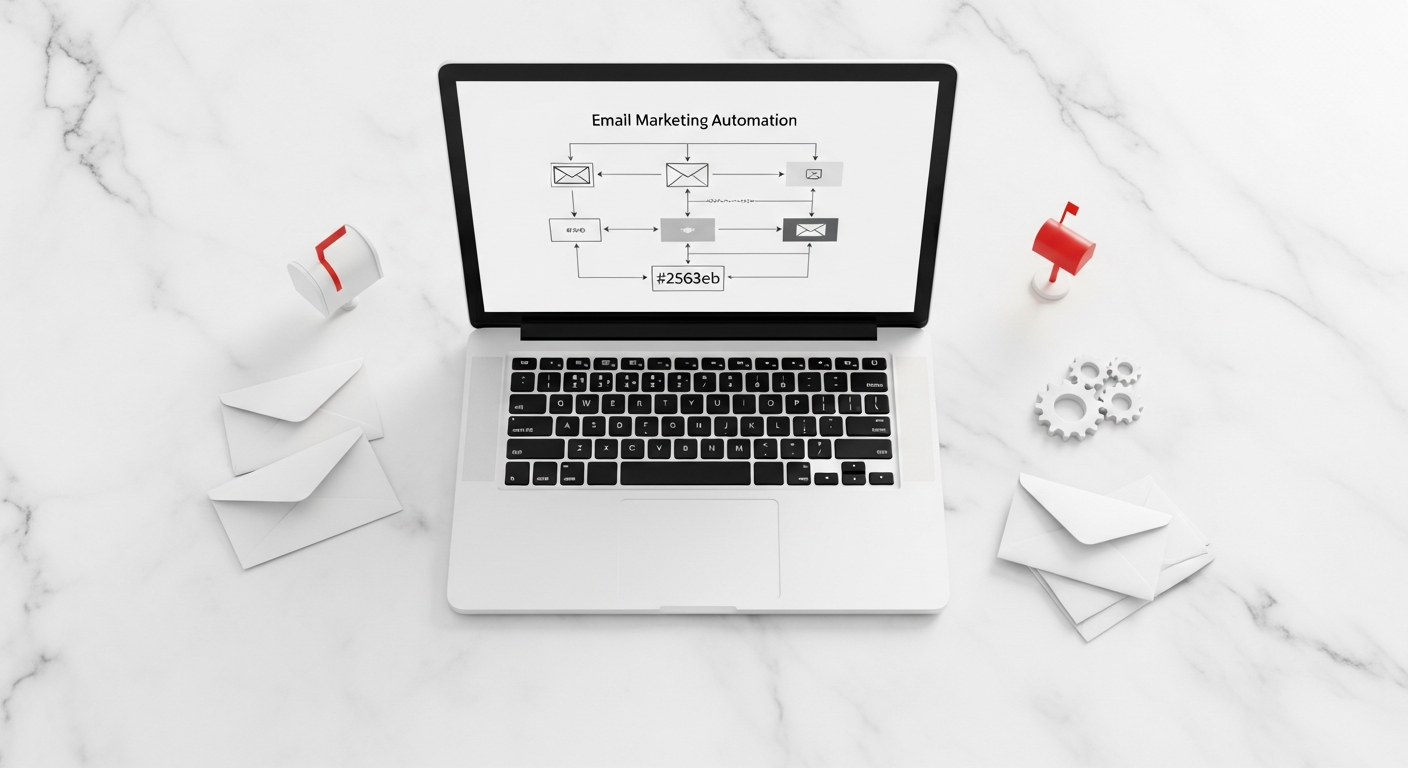
- Automated Flows: Set up essential email sequences:
- Welcome Series: For new subscribers, introduce your brand and offer an initial discount.
- Abandoned Cart Recovery: Remind customers of items left in their cart, potentially with an incentive. Data shows these emails can recover up to 10-20% of abandoned carts.
- Post-Purchase Sequences: Thank customers, provide tracking info, solicit reviews, and recommend complementary products.
- Re-engagement Campaigns: Target inactive customers with special offers to bring them back.
- Personalization: Use customer data to personalize subject lines, product recommendations, and content within emails. Dynamic content tailored to individual preferences significantly boosts open and click-through rates.
- Promotional Campaigns: Announce sales, new product launches, and seasonal offers.
SMS Marketing: Instant Communication for High-Value Offers
With open rates often exceeding 90%, SMS marketing provides an immediate channel for time-sensitive promotions, order updates, and urgent customer service alerts. Integrate it into your existing marketing automation for maximum impact.
Customer Relationship Management (CRM) and Loyalty Programs
- CRM Implementation: Use a CRM system to centralize customer data, track interactions, and understand purchase patterns. This holistic view enables better personalization and targeted outreach.
- Loyalty Programs: Reward repeat customers with points, exclusive discounts, early access to products, or VIP experiences. Programs like Starbucks Rewards demonstrate how gamification and tiered benefits can foster deep brand loyalty and increase customer lifetime value (LTV).
- Exceptional Customer Service: Provide multiple support channels (live chat, email, phone, social media), quick response times, and empowered customer service representatives. A positive support experience can turn a disgruntled customer into a loyal advocate.
Example: Sephora’s Beauty Insider program is a prime example of a highly successful loyalty initiative. It offers tiered benefits, personalized recommendations, and exclusive access, making customers feel valued and encouraging repeat purchases, significantly boosting customer lifetime value—a crucial component of their e-commerce marketing strategy.
Emerging Frontiers: Social Commerce, Live Shopping & Web3 Integration
To truly dominate online sales in 2026, your e-commerce marketing strategy must embrace emerging technologies and platforms that are reshaping how consumers discover and buy products.
Social Commerce: Shop Where Your Audience Lives
Social media platforms are rapidly evolving into full-fledged shopping destinations. Brands need to meet customers where they spend their time.
- In-App Shopping Features: Leverage Instagram Shop, Facebook Shops, Pinterest Shop, and TikTok Shop. These features allow users to browse and purchase products directly within the social app, reducing friction.
- Shoppable Content: Create posts, stories, reels, and pins that are directly linked to product pages. Encourage user-generated content (UGC) with product tags.
- Direct Messaging for Sales: Utilize platforms like Instagram DMs or WhatsApp Business for personalized product recommendations, customer service, and even direct sales conversations.
Live Stream Shopping: The Interactive Shopping Experience
Inspired by QVC but with a modern, interactive twist, live shopping allows brands to host real-time video broadcasts to showcase products, answer questions, and offer exclusive deals. It creates a sense of urgency and community, replicating the in-store experience online. Brands leveraging this on platforms like TikTok, Amazon Live, or dedicated streaming platforms often see significantly higher conversion rates during live events.
Augmented Reality (AR) and Virtual Try-Ons
AR technology is closing the gap between online browsing and in-person shopping. Customers can “try on” clothes, see how furniture looks in their home, or test makeup shades using their smartphone cameras. This reduces product return rates and enhances purchase confidence.
- Example: IKEA Place allows users to virtually place furniture in their homes. Sephora’s Virtual Artist lets customers try on makeup digitally.
Web3 Integration: NFTs, Metaverse & Decentralization
While still in nascent stages for many, forward-thinking brands are exploring Web3 technologies:
- NFTs for Loyalty and Exclusivity: Non-fungible tokens can be used as digital collectibles, loyalty rewards, or keys to exclusive access, content, or real-world experiences. Imagine an NFT that grants lifetime discounts or VIP event access.
- Metaverse Experiences: Brands are creating virtual storefronts and experiences in platforms like Decentraland or The Sandbox, allowing customers to interact with products and brand ambassadors in immersive 3D environments. This offers a new avenue for brand building and product discovery.
Actionable Tip: Don’t feel pressured to adopt every new technology at once. Experiment with one or two relevant emerging channels. Start with live shopping on a platform where your audience is already active. Explore AR filters for popular products. Monitor Web3 developments closely and consider a small pilot project if it aligns with your brand values and customer base.
Measuring Success and Iterating Your E-commerce Marketing Strategy
Even the most meticulously planned e-commerce marketing strategy is only as good as its ability to adapt and improve. Continuous measurement, analysis, and iteration are crucial for long-term success.
Key Performance Indicators (KPIs) for E-commerce
Focus on a dashboard of critical metrics to gauge the health and effectiveness of your marketing efforts:
- Conversion Rate (CR): The percentage of visitors who complete a purchase. A healthy conversion rate varies by industry but generally ranges from 1-5%.
- Average Order Value (AOV): The average amount spent per customer order. Strategies like upselling and cross-selling can increase AOV.
- Customer Lifetime Value (CLTV/LTV): The total revenue a business can expect from a single customer account over their lifetime. High LTV indicates strong customer retention and loyalty.
- Customer Acquisition Cost (CAC): The cost to acquire one new customer. Compare this to LTV to ensure profitability.
- Return on Ad Spend (ROAS): Revenue generated for every dollar spent on advertising. Essential for optimizing paid campaigns.
- Bounce Rate: The percentage of visitors who leave your site after viewing only one page. A high bounce rate can indicate poor UX or irrelevant traffic.
- Cart Abandonment Rate: The percentage of customers who add items to their cart but don’t complete the purchase.
- Website Traffic: Volume of visitors, segmented by source (organic, paid, social, direct).
Leveraging Analytics Tools
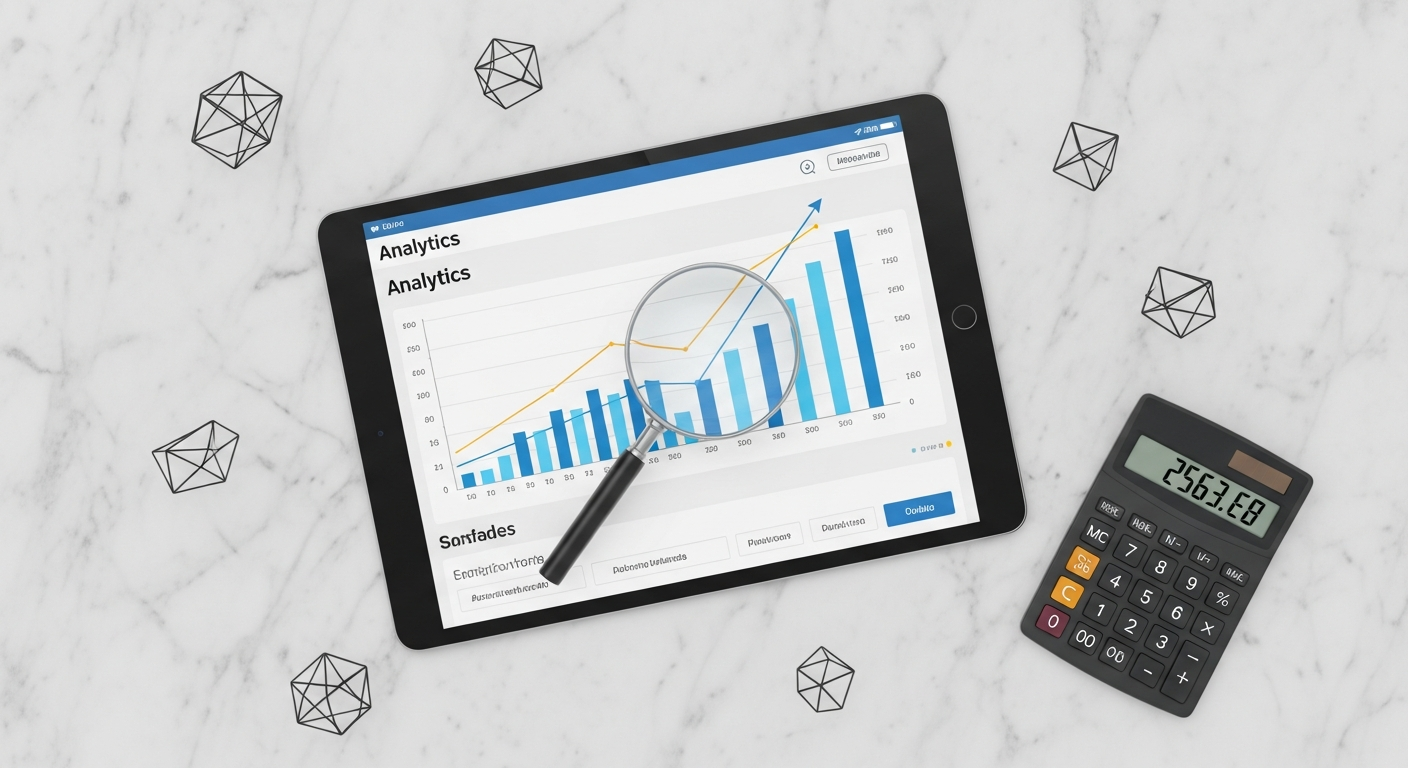
Implement powerful analytics platforms to track these KPIs and gain deeper insights:
- Google Analytics 4 (GA4): The industry standard for website and app analytics. Focus on event-based tracking to understand user behavior across their entire journey.
- CRM Systems: Provide a holistic view of customer interactions and purchase history.
- Ad Platform Analytics: Utilize the reporting tools within Google Ads, Meta Ads Manager, etc., to track campaign performance.
- Heatmapping & Session Recording Tools: Tools like Hotjar or Crazy Egg help visualize user behavior on your site, identifying areas of friction or confusion.
A/B Testing and Iteration
Never assume what works. Continuously test different elements of your marketing and website:
- Website Elements: Product page layouts, CTA button colors/text, checkout flow, hero images.
- Ad Creatives & Copy: Test different headlines, images, videos, and value propositions in your paid campaigns.
- Email Subject Lines & Content: Experiment with personalization levels, offers, and email designs.
- Pricing Strategies: Test different price points, bundle offers, and discount structures.
Actionable Tip: Establish a regular cadence for reviewing your KPIs (e.g., weekly, monthly, quarterly). Don’t be afraid to pivot if data suggests a strategy isn’t working. Create a “testing roadmap” to systematically improve your site and marketing campaigns, focusing on high-impact areas first. A growth mindset, prioritizing continuous learning and adaptation, is paramount for a successful e-commerce marketing strategy in the long run.
Conclusion
The journey to dominating online sales in 2026 is complex but incredibly rewarding. Success hinges on a comprehensive, adaptable e-commerce marketing strategy that places the customer at its core while embracing technological advancements and market shifts. From optimizing your foundational website and leveraging sophisticated paid and organic acquisition tactics to mastering customer retention through personalization and exploring emerging frontiers like social commerce and Web3, every element plays a crucial role.
The digital landscape of tomorrow demands agility, data-driven decisions, and a relentless focus on delivering exceptional value. By meticulously planning, implementing, and continuously refining your strategy with the insights provided in this guide, your e-commerce business can not only survive but truly thrive, building lasting customer relationships and securing a formidable position in the competitive online marketplace. It’s time to transform challenges into opportunities and build an e-commerce empire that stands the test of time. Start by auditing your current strategy against these pillars and identify your immediate next steps for growth.
Frequently Asked Questions