The Evolving Landscape of Email Marketing in 2026: Beyond the Inbox
The notion that email marketing is merely about sending out newsletters is long outdated. By 2026, email has cemented its role as a central pillar of an integrated digital ecosystem, transforming into a highly personalized, data-driven, and intelligent communication hub. The shift is profound, moving from mass blasts to hyper-targeted, contextually relevant conversations that nurture leads, build loyalty, and drive conversions. The core of this evolution lies in advanced technology, deeper understanding of customer behavior, and an unwavering commitment to delivering value.
One of the most significant changes is the integration of artificial intelligence (AI) and machine learning (ML) into nearly every facet of email marketing. From predictive analytics that anticipate customer needs to AI-powered content generation and send-time optimization, these technologies are making email campaigns more effective and efficient than ever before. For a Digital Marketing Strategy Small Business 2026, leveraging these tools, even in their more accessible forms, can level the playing field against larger competitors.
Furthermore, the customer journey has become the true north for email marketers. Every email touchpoint is designed to guide the subscriber through their unique path, whether it’s an initial welcome, a product recommendation, an abandoned cart reminder, or a re-engagement effort. This requires a sophisticated understanding of segmentation and automation, ensuring that the right message reaches the right person at the optimal moment. The focus has shifted from simply pushing products to building relationships and fostering a sense of community around a brand. This relationship-building aspect is also crucial when considering how to use platforms like How To Use Linkedin For Marketing, where professional connections can often translate into email subscribers and valuable leads.
As we navigate 2026, email marketing best practices are defined by agility, intelligence, and an unyielding focus on the customer experience. Marketers must be prepared to adapt to new privacy regulations, technological advancements, and shifting consumer expectations, ensuring their email programs remain compliant, compelling, and crucially, converting.
Hyper-Personalization and Advanced Segmentation: The Core of Connection
In an increasingly noisy digital world, standing out requires more than just a catchy subject line. By 2026, hyper-personalization and advanced segmentation are no longer optional but fundamental email marketing best practices. This goes far beyond merely inserting a subscriber’s first name; it involves understanding their behaviors, preferences, purchase history, demographic data, and even their real-time interactions with your brand across multiple channels.
Hyper-personalization means tailoring every element of an email – from the subject line and sender name to the content, product recommendations, and call-to-action – to resonate deeply with the individual recipient. This requires robust data collection and sophisticated analytics. For instance, an e-commerce brand might send an email featuring products similar to items a customer recently viewed but didn’t purchase, coupled with a personalized discount code. A B2B company might send an email with a case study relevant to the subscriber’s industry or pain points, drawing on their past engagement with blog posts or webinars.
Advanced segmentation is the engine driving this personalization. Instead of broad categories, marketers in 2026 are leveraging granular segments based on a multitude of data points:
- Behavioral Data: Website visits, pages viewed, clicks within previous emails, content downloads, app usage, abandoned carts, purchase history, frequency of purchases.
- Demographic Data: Location, age, gender, job title (especially relevant if considering How To Use Linkedin For Marketing for lead generation).
- Psychographic Data: Interests, values, lifestyle, personality traits (often inferred from engagement patterns).
- Engagement Level: Active openers/clickers, infrequent engagers, dormant subscribers.
- Customer Journey Stage: New lead, trial user, first-time buyer, loyal customer, churn risk.
The goal is to create micro-segments that allow for highly specific messaging. For a small business, this might mean starting with foundational segments like new subscribers, active customers, and lapsed customers, then gradually adding layers of behavioral data as their system matures. The power of these detailed segments is that they allow for the delivery of content that feels genuinely relevant and valuable, fostering stronger connections and significantly improving conversion rates. This approach aligns perfectly with a Digital Marketing Strategy Small Business 2026 that prioritizes efficiency and maximizing ROI from every customer interaction.
AI and Automation: The Core of Efficiency and Engagement for 2026
AI’s Role in Email Marketing:
- Predictive Analytics: AI can analyze vast datasets to predict future customer behavior, such as which products a subscriber is likely to buy next, when they might churn, or their optimal purchase cycle. This allows for proactive, highly targeted campaigns.
- Content Optimization: AI tools can assist in generating compelling subject lines, email body copy, and even personalized product recommendations. They can analyze past campaign performance to suggest improvements, ensuring your message has maximum impact.
- Send-Time Optimization: AI algorithms can determine the best time to send an email to each individual subscriber based on their past engagement patterns, leading to higher open and click-through rates.
- A/B Testing and Optimization: AI can automate multivariate testing, rapidly identifying the most effective combinations of subject lines, content, visuals, and calls-to-action, continuously improving campaign performance.
Marketing Automation for Scaled Engagement:
Automation orchestrates the delivery of these personalized messages at the right moments in the customer journey. Key automated workflows essential for 2026 include:
- Welcome Series: A sequence of emails introducing new subscribers to your brand, its values, and what they can expect. This is a critical first impression.
- Onboarding Sequences: For products or services, these emails guide new users through setup, features, and best practices, reducing churn.
- Abandoned Cart Reminders: Highly effective emails sent to users who added items to their cart but didn’t complete the purchase, often including incentives.
- Re-engagement Campaigns: Designed to win back inactive subscribers by offering special deals, new content, or simply asking for feedback.
- Post-Purchase/Customer Loyalty Flows: Thank-you emails, product care tips, cross-sell/upsell opportunities, and requests for reviews, all aimed at fostering long-term relationships.
- Event-Triggered Emails: Birthday wishes, anniversary emails, or notifications based on specific actions (e.g., viewing a specific product category multiple times).
For a small business, adopting AI and automation doesn’t necessarily mean investing in enterprise-level software. Many modern email service providers (ESPs) offer built-in AI features and robust automation capabilities that are accessible and user-friendly. Integrating these tools into a Digital Marketing Strategy Small Business 2026 allows them to compete effectively by delivering highly personalized experiences without a massive marketing team. This efficiency allows businesses to focus on creating quality content, whether it’s Long Form Vs Short Form Content, and strategizing their next moves, rather than manual email scheduling.
Crafting Compelling Content and Design for the Modern Inbox
Even with advanced segmentation and AI, the message itself remains paramount. In 2026, email content and design must be meticulously crafted to capture attention, convey value, and drive action in an increasingly crowded inbox. The challenge lies in balancing information, aesthetics, and user experience.
Content Strategy: Long Form Vs Short Form Content in Email
The debate of Long Form Vs Short Form Content is particularly relevant in email marketing.
- Short-Form Content: For most emails, concise, punchy content is king. Transactional emails, promotional offers, quick updates, and event reminders benefit from brevity. The goal is to deliver the core message quickly and clearly, with a prominent call-to-action (CTA) that encourages a click to a landing page or website for more details. This respects the subscriber’s time and caters to their often-on-the-go consumption habits.
- Long-Form Content: While rare for the email body itself, email serves as an excellent distribution channel for longer content. If you’ve published a detailed blog post, an industry report, or a comprehensive guide (e.g., how to use a specific tool, perhaps even an in-depth piece on How To Use Linkedin For Marketing), your email should provide an enticing summary or a compelling snippet, then link directly to the full content on your website. This strategy leverages email’s reach to drive traffic and engagement with your valuable long-form assets, positioning your brand as a thought leader.
Regardless of length, all content must be value-driven. Every email should answer the subscriber’s unspoken question: “What’s in it for me?”
Design Principles for 2026:
- Mobile-First and Responsive: With the majority of emails opened on mobile devices, responsive design is non-negotiable. Emails must render perfectly on any screen size, with legible text, tappable CTAs, and optimized images.
- Clean and Clutter-Free: Minimalism often works best. Avoid excessive text, too many images, or a dizzying array of colors. Focus on a clear hierarchy of information.
- Visual Storytelling: High-quality images, GIFs, and even embedded short videos (where supported) can significantly boost engagement. Visuals should complement the text and reinforce your brand identity.
- Accessibility: Ensure your emails are accessible to everyone. Use alt text for images, maintain good color contrast, and consider text-only versions for screen readers.
- Clear Call-to-Actions (CTAs): CTAs should be prominent, action-oriented, and easy to click. Use contrasting colors, compelling text, and ensure there’s a clear path for the subscriber to take the next step.
- Brand Consistency: Your email design should align seamlessly with your overall brand guidelines, including colors, fonts, and tone of voice. This reinforces brand recognition and trust.
- Interactive Elements: Look for opportunities to incorporate interactive elements like polls, quizzes, or even product carousels directly within the email (where ESPs support it), enhancing engagement and user experience.
By marrying compelling, value-driven content with a modern, user-centric design, businesses can create email experiences that not only get opened but also deeply resonate with their audience, solidifying email marketing best practices 2026.
Data Privacy, Trust, and Deliverability in 2026: Building an Ethical Foundation
In an era increasingly defined by data breaches and privacy concerns, building and maintaining trust is paramount for email marketers in 2026. Regulatory landscapes continue to evolve globally, making adherence to data privacy laws not just an ethical imperative but a legal necessity. For email marketing best practices 2026, a strong emphasis on transparency, consent, and deliverability forms the bedrock of a successful program.
Navigating Data Privacy Regulations:
- GDPR (General Data Protection Regulation) & CCPA (California Consumer Privacy Act): These landmark regulations, and others like them emerging worldwide, mandate strict rules around collecting, storing, and processing personal data. Marketers must ensure explicit consent for email communication, provide clear opt-out options, and be transparent about how data is used.
- Opt-In and Consent Management: Move beyond pre-checked boxes. Implement double opt-in processes where subscribers confirm their subscription, ensuring genuine interest and reducing spam complaints. Clearly state what subscribers will receive and how often.
- Data Security: Protect subscriber data diligently. This builds trust and prevents costly breaches. Ensure your email service provider (ESP) has robust security measures in place.
Building and Maintaining Trust:
Trust is the currency of email marketing. Without it, your emails are likely to be ignored, marked as spam, or simply deleted.
- Transparency: Be clear about your intentions. If you’re collecting data, explain why and how it benefits the subscriber.
- Value Delivery: Consistently provide valuable content, offers, or insights. If subscribers feel they are constantly being sold to without receiving anything in return, trust erodes quickly.
- Consistency and Reliability: Send emails at a predictable frequency. Don’t bombard subscribers, but also don’t go silent for too long.
- Easy Unsubscribe: While counter-intuitive, making it easy for subscribers to opt-out actually builds trust. A frustrating unsubscribe process often leads to spam complaints, which are far more damaging.
Ensuring High Deliverability:
Even the most perfectly crafted email is useless if it doesn’t reach the inbox. Deliverability is a complex dance with Internet Service Providers (ISPs) and email clients.
- Sender Reputation: This is crucial. It’s built on factors like IP address history, spam complaint rates, bounce rates, and engagement levels. A good sender reputation ensures your emails are seen as legitimate.
- Email Authentication: Implement SPF (Sender Policy Framework), DKIM (DomainKeys Identified Mail), and DMARC (Domain-based Message Authentication, Reporting, and Conformance). These protocols verify that an email is genuinely from your domain, preventing spoofing and improving deliverability.
- List Hygiene: Regularly clean your email list. Remove inactive subscribers, hard bounces, and known spam traps. Sending to an unengaged or invalid list harms your sender reputation.
- Content Quality: Avoid spam trigger words, excessive capitalization, or suspicious formatting that might flag your email as spam.
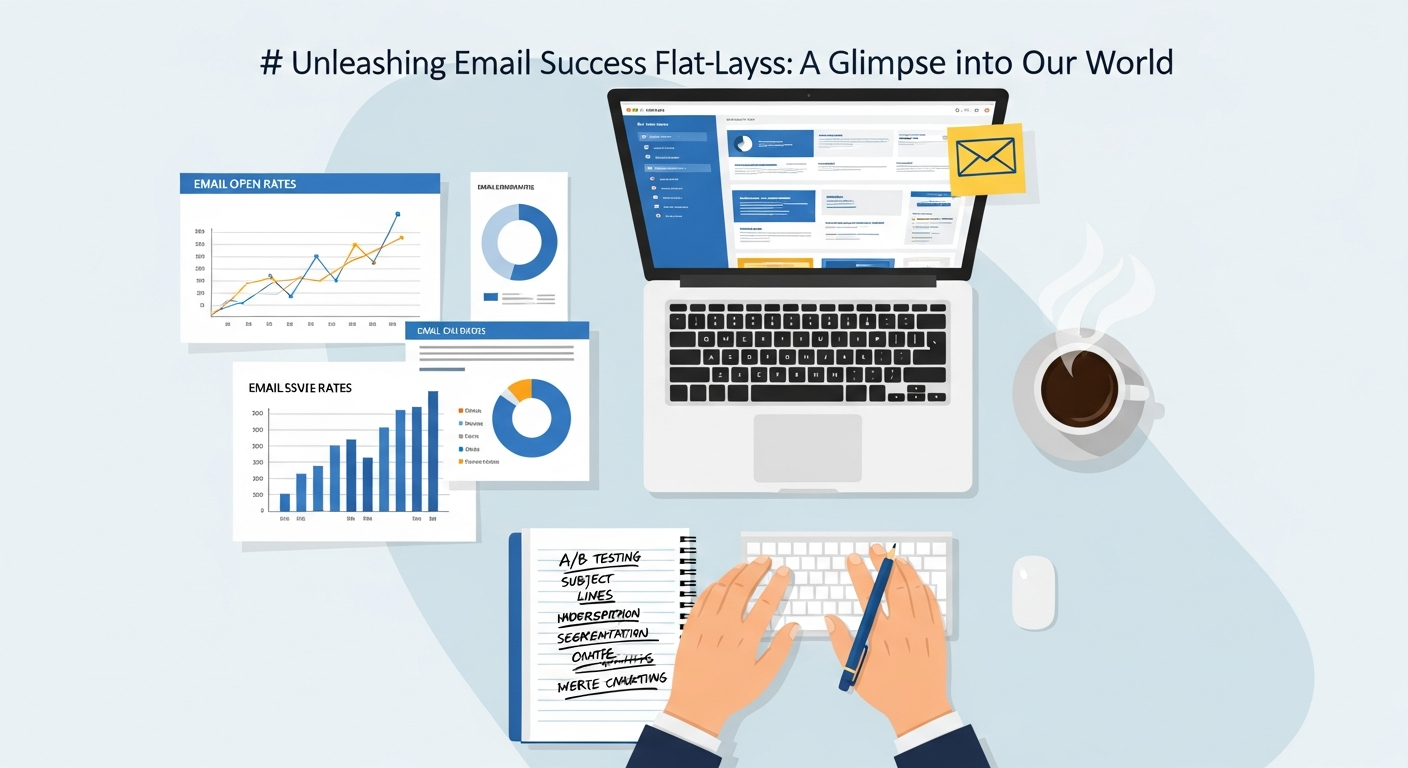
- Monitor Metrics: Keep a close eye on your open rates, click-through rates, bounce rates, and spam complaint rates. Sudden drops or spikes can indicate deliverability issues.
For a Digital Marketing Strategy Small Business 2026, prioritizing data privacy and deliverability is not just about compliance; it’s about safeguarding brand reputation and ensuring the efficacy of their email marketing efforts. Without trust and deliverability, even the most innovative campaigns will fail to reach their intended audience.
Measuring Success and Continuous Optimization: The Iterative Loop
In 2026, effective email marketing is not a set-it-and-forget-it endeavor; it’s an iterative process of testing, measuring, analyzing, and optimizing. Relying solely on vanity metrics like open rates is a grave mistake. True email marketing best practices 2026 demand a deeper dive into metrics that directly impact business goals and contribute to the overall Digital Marketing Strategy Small Business 2026.
Key Metrics Beyond the Surface:
- Click-Through Rate (CTR): Measures the percentage of recipients who clicked a link in your email. This indicates how engaging your content and CTAs are.
- Conversion Rate: The ultimate measure of success. This tracks how many recipients completed a desired action (e.g., made a purchase, downloaded an ebook, signed up for a webinar) after clicking through from your email.
- Revenue Per Email (RPE): A critical metric for e-commerce, showing the average revenue generated for each email sent.
- Return on Investment (ROI): Calculates the revenue generated from email campaigns against the cost of running them. Email consistently boasts one of the highest ROIs in digital marketing.
- List Growth Rate: Tracks the speed at which your subscriber list is expanding. This ties into lead generation efforts, potentially from sources like How To Use Linkedin For Marketing where you convert connections into subscribers.
- Churn Rate/Unsubscribe Rate: Indicates how many subscribers are leaving your list. A high rate suggests issues with content relevance, frequency, or value.
- Lifetime Value (LTV) of an Email Subscriber: This advanced metric attempts to quantify the total revenue a subscriber generates over their entire relationship with your brand.
The Power of A/B Testing:
A/B testing (or split testing) is non-negotiable for continuous improvement. Test one variable at a time to isolate its impact. Common elements to A/B test include:
- Subject Lines: Length, emojis, personalization, urgency, questions.
- Sender Name: Brand name vs. a person’s name.
- Call-to-Action (CTA): Text, color, placement, button vs. text link.
- Email Content: Long Form Vs Short Form Content summaries, different imagery, different value propositions.
- Send Times and Days: Optimize for when your audience is most likely to engage.
- Email Layout and Design: Single column vs. multi-column, image placement.
Consistent A/B testing provides data-driven insights that refine your strategy and improve campaign performance over time.
Feedback Loops and Integration:
Email marketing doesn’t exist in a vacuum. Insights gained from email campaigns can inform other aspects of your digital strategy, and vice-versa. For example, understanding which content themes perform best in emails can guide your blog content strategy or your social media posts. Similarly, analytics from platforms like LinkedIn (if you’re using How To Use Linkedin For Marketing) about professional interests can inform your B2B email segmentation and content. By creating feedback loops and integrating data across channels, marketers in 2026 can build a more cohesive and effective overall digital presence.
The commitment to ongoing analysis and optimization is what separates truly successful email marketers from the rest. By embracing this iterative loop, businesses can ensure their email efforts remain relevant, impactful, and aligned with their evolving strategic objectives.
Conclusion: Email’s Enduring Relevance in the 2026 Digital Landscape
As we’ve explored the multifaceted world of email marketing best practices 2026, it becomes unequivocally clear that email is far from fading into obsolescence. Instead, it is evolving into a more sophisticated, intelligent, and indispensable tool for digital communication. The future of email marketing is characterized by deep personalization driven by AI, strategic automation that scales engagement, compelling content and design tailored for diverse consumption habits, and an unwavering commitment to data privacy and deliverability.
For any organization, from a burgeoning startup to an established enterprise, integrating these practices into their core Digital Marketing Strategy Small Business 2026 is not merely advantageous but essential for sustained growth and customer loyalty. The emphasis on understanding the customer journey, providing genuine value, and building trust will continue to yield significant returns. Whether you’re leveraging email to drive traffic to your Long Form Vs Short Form Content, nurturing leads generated via strategies like How To Use Linkedin For Marketing, or simply fostering deeper relationships, email remains the direct line to your audience.
The path forward demands adaptability, continuous learning, and a willingness to embrace technological advancements while never losing sight of the human element behind every send and every open. By adhering to these email marketing best practices 2026, businesses can ensure their messages cut through the digital noise, resonate powerfully, and continue to deliver unparalleled ROI in the years to come.
Frequently Asked Questions
What are the most critical email marketing best practices for small businesses in 2026?▾
How is AI transforming email marketing in 2026?▾
Should I focus on long-form or short-form content in my emails in 2026?▾
How does data privacy impact email marketing in 2026?▾
Can email marketing support my other digital marketing efforts in 2026, like LinkedIn marketing?▾
What are the key metrics to track for email marketing success in 2026?▾
Recommended Resources
You might also enjoy What Is Demand Generation In Marketing from Kacerr.
For more on email marketing best, see Bonds Vs Stocks For Beginners on Fin3go.