Why a Content Calendar is Non-Negotiable for Modern Digital Marketing
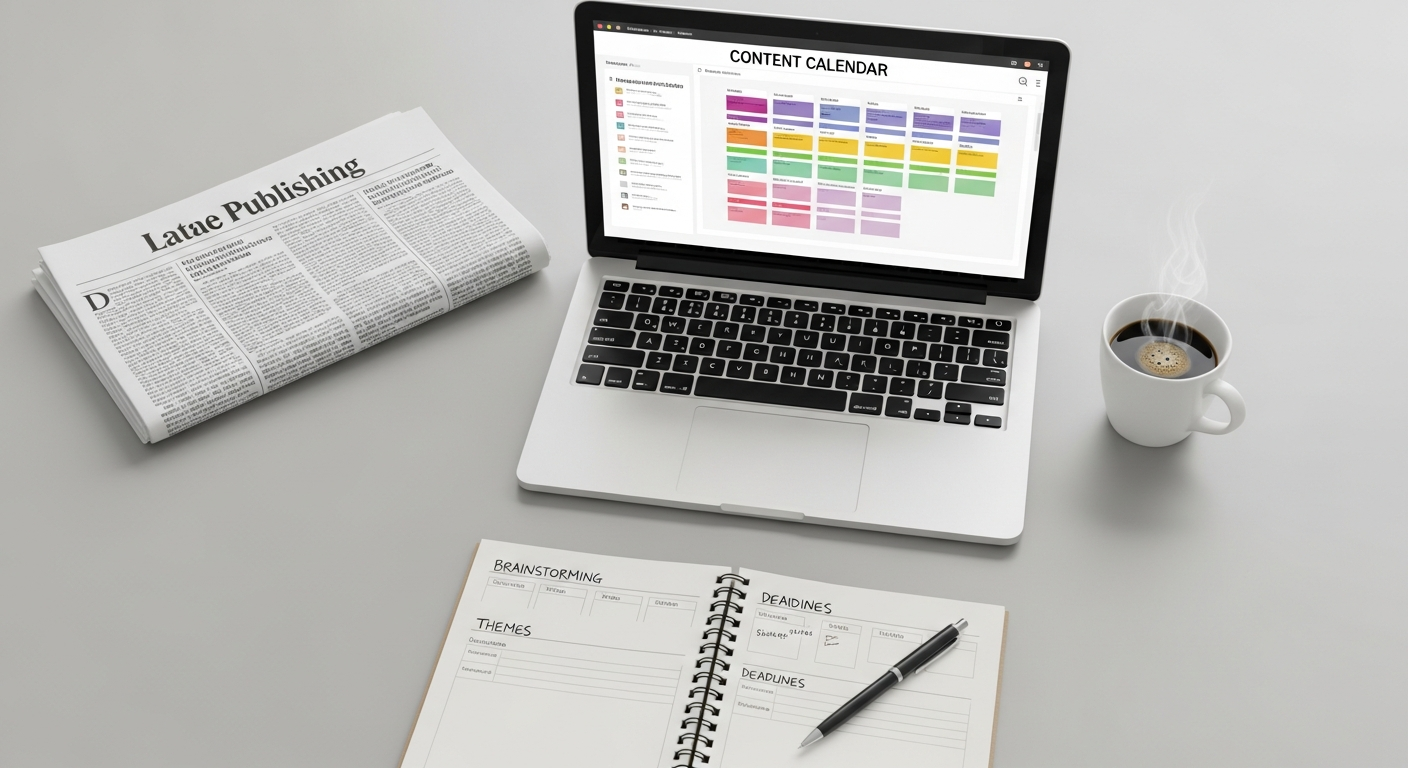
The digital realm is a relentless arena, constantly demanding fresh, engaging content to capture and retain audience attention. Without a clear roadmap, even the most dedicated marketing teams can find themselves adrift, publishing inconsistently, or worse, producing content that doesn’t align with their overarching business objectives. This is precisely where a content calendar becomes an indispensable asset, particularly for those crafting a successful Digital Marketing Strategy Small Business 2026. It serves as the central nervous system for all your content efforts, providing structure, foresight, and accountability.
One of the primary benefits of a content calendar is its ability to foster consistency. In today’s crowded online spaces, regularity builds audience expectations and trust. A calendar ensures that your blog, social media channels, email newsletters, and other platforms are consistently populated with valuable material, keeping your brand top-of-mind. This predictability not only pleases your audience but also signals to search engines that your site is active and authoritative, contributing positively to your search engine rankings.
Beyond consistency, a content calendar brings unparalleled organization and efficiency to your workflow. Instead of scrambling for ideas at the last minute, teams can plan months in advance, allocating resources effectively. This foresight allows for proper research, thorough content creation, meticulous editing, and timely approvals, preventing bottlenecks and reducing stress. It empowers teams to work collaboratively, with each member understanding their role and deadlines, fostering a more harmonious and productive environment.
Moreover, a content calendar is crucial for strategic alignment. It forces you to think critically about your content’s purpose before creation. Every piece of content should serve a specific goal, whether it’s to drive traffic, generate leads, educate customers, or build brand awareness. By mapping out content against your marketing funnels and business objectives, you ensure that every published article, video, or social post is a deliberate step towards achieving your broader strategic aims. For small businesses, where resources are often limited, this strategic focus is paramount to maximizing return on investment from content efforts.
It also facilitates diversity and creativity in your content offerings. With a comprehensive view of your upcoming content, you can easily identify gaps, ensuring a balanced mix of topics, formats, and perspectives. This prevents repetitive content and allows for the exploration of new angles that resonate with different segments of your audience. Furthermore, by planning ahead, you can integrate seasonal campaigns, industry events, and product launches seamlessly into your content schedule, capitalizing on timely opportunities and reinforcing your brand’s relevance. In essence, a content calendar transforms content creation from a series of isolated tasks into a cohesive, strategic, and powerful marketing engine.
Phase 1: Laying the Foundation – Defining Your Content Strategy
Before you even think about populating a calendar, the most critical step is to establish a solid content strategy. A content calendar is merely a tool; its effectiveness hinges entirely on the strategic insights that guide its creation. Without a clear understanding of your purpose, audience, and goals, your calendar will be filled with content that lacks direction and impact. This foundational phase is about asking the right questions and conducting thorough research to inform every subsequent step.
The first pillar of your content strategy is understanding your audience. Who are you trying to reach? What are their demographics, psychographics, pain points, aspirations, and interests? Developing detailed buyer personas is invaluable here. These semi-fictional representations of your ideal customers help you tailor your content to resonate deeply with their specific needs and challenges. When you know your audience intimately, you can create content that truly speaks to them, offering solutions and building genuine connections.
Next, define your goals. What do you want your content to achieve? Is it increased brand awareness, lead generation, sales, customer retention, thought leadership, or improved customer service? Your goals should be SMART: Specific, Measurable, Achievable, Relevant, and Time-bound. For instance, a goal might be to “increase organic traffic by 20% in the next six months” or “generate 50 new qualified leads per month through educational content.” Clear goals provide the framework for measuring success and iterating your strategy over time.
Identifying your content pillars or themes is another crucial step. These are the broad, overarching topics or categories that your brand consistently addresses. They should align with your expertise, your audience’s interests, and your business objectives. For a digital marketing agency, pillars might include “SEO Best Practices,” “Social Media Marketing,” “Email Marketing Strategies,” and “Content Creation Tips.” Establishing these pillars ensures that your content remains focused, authoritative, and relevant to your brand’s core offerings.
You also need to identify your primary channels. Where will your content be published and promoted? This could include your company blog, various social media platforms (LinkedIn, Facebook, Instagram, Twitter, TikTok), email newsletters, YouTube, podcasts, or industry-specific forums. Each channel has its own best practices and audience expectations, which will influence the format and style of your content. Understanding where your audience spends their time online will guide your channel selection.
Conducting competitor analysis is equally important. What content are your competitors producing? What topics are they covering? What formats are they using? Where are their strengths and, more importantly, where are their weaknesses or gaps that you can exploit? This research can uncover untapped opportunities and help you differentiate your content strategy, ensuring you’re not just echoing what everyone else is saying.
Finally, and critically for SEO-driven strategies, engage in thorough keyword research. This involves identifying the terms and phrases your target audience uses when searching for information related to your business, products, or services. Tools like Google Keyword Planner, Ahrefs, SEMrush, or Moz can help you discover high-volume, relevant keywords and long-tail phrases. These keywords will form the backbone of your content topics, ensuring that your content is discoverable by those actively seeking it. By meticulously completing this foundational phase, you build a robust framework that will support a highly effective and goal-oriented content calendar.
Phase 2: Choosing Your Weapon – Content Calendar Tools and Formats
One of the most accessible and widely used options is a spreadsheet-based calendar, typically using Google Sheets or Microsoft Excel. These tools are incredibly flexible and cost-effective, often free. You can customize columns for dates, topics, keywords, content types, authors, editors, publication channels, due dates, status updates, and links to drafts. Spreadsheets are excellent for visualizing your content schedule, especially if you use color-coding to denote different stages or content pillars. They are ideal for smaller teams or individuals who need a straightforward, customizable solution without a steep learning curve. The main drawback can be a lack of advanced collaboration features or automation, requiring manual updates for status changes.
For teams requiring more robust collaboration and workflow management, project management tools like Trello, Asana, ClickUp, or Monday.com are powerful alternatives. These platforms offer visual boards (like Kanban boards in Trello), task lists, calendar views, and features for assigning tasks, setting deadlines, attaching files, and communicating within specific content projects. They excel at managing the entire content lifecycle, from ideation to publication and promotion. For example, you can create a card for each piece of content and move it through stages like “Idea,” “Drafting,” “Review,” “Scheduled,” and “Published.” These tools are particularly beneficial for growing teams that need to streamline hand-offs between writers, editors, designers, and social media managers, ensuring everyone is aligned and accountable.
Stepping up in sophistication, dedicated content marketing platforms or integrated marketing suites offer specialized content calendar functionalities. Tools like CoSchedule, HubSpot Marketing Hub, or SEMrush Marketing Suite are built specifically for content planning, creation, and distribution. They often include features such as:
- Integrated keyword research and SEO tools.
- Social media scheduling and analytics.
- Content idea generation tools.
- Workflow automation and approval processes.
- Performance tracking and analytics dashboards.
- Integration with other marketing tools.
These platforms are designed to provide an all-in-one solution for content teams, offering deep insights and advanced automation capabilities. They are an excellent choice for businesses ready to invest in a comprehensive platform to scale their content operations and gain a competitive edge. It’s worth noting that many of these dedicated platforms fall under the umbrella of Marketing Automation Tools 2026, offering not just calendar functions but also email automation, lead nurturing, and CRM integration, making them powerful assets for a holistic digital marketing strategy.
When selecting your tool, consider these factors:
- Team Size and Collaboration Needs: How many people need access and input?
- Budget: Free, freemium, or paid subscriptions.
- Features Required: Do you need just scheduling, or also idea generation, SEO integration, social media scheduling, and analytics?
- Ease of Use: How quickly can your team adopt and master the tool?
- Integration: Does it integrate with other tools you already use (e.g., Google Drive, Slack, CRM)?
Regardless of the tool you choose, the key is consistency in its use. The best content calendar is one that your team actively uses and relies on, ensuring that your content creation process remains organized, efficient, and strategically aligned.
Phase 3: Populating Your Calendar – Brainstorming and Scheduling Content
With your strategy defined and your tool selected, it’s time for the exciting part: filling your content calendar with actual content ideas. This phase involves a blend of creativity, strategic thinking, and practical scheduling to ensure a steady, valuable stream of content that resonates with your audience and achieves your marketing goals.
Begin by conducting a content audit of your existing material. What content have you already published? Which pieces performed well, and which didn’t? Can any existing content be updated, expanded, or repurposed? Identifying evergreen content that can be refreshed saves time and leverages past efforts. Look for opportunities to turn a popular blog post into an infographic, a video script, or a series of social media snippets. This audit provides a baseline and prevents unnecessary duplication.
Next, engage in dedicated brainstorming sessions. These sessions should be guided by your content pillars, audience personas, and keyword research from Phase 1. Encourage diverse ideas by considering:
- Audience Pain Points: What questions do your customers frequently ask? What problems do they face that your business can solve?
- Industry Trends: What’s new and relevant in your industry? How can you provide unique insights or commentary?
- Keyword Opportunities: Leverage your keyword research to develop topics around high-volume, relevant search terms. Don’t forget long-tail keywords for specific queries.
- Competitor Gaps: What topics are your competitors overlooking?
- Internal Expertise: What unique knowledge do you and your team possess?
- FAQs: Turn common customer service questions into helpful content.
- Seasonal and Event-Based Content: Holidays, industry conferences, product launches, and seasonal trends offer natural content hooks.
Remember to think beyond just blog posts. Consider a wide array of content types to keep your audience engaged. This is where the discussion of Long Form Vs Short Form Content becomes critical.
- Long-Form Content: In-depth blog posts (1,000+ words), whitepapers, eBooks, comprehensive guides, case studies, webinars, and detailed tutorials. These are excellent for SEO, establishing authority, and nurturing leads through complex topics. They provide significant value and often become evergreen resources.
- Short-Form Content: Social media updates, short videos (reels, stories), infographics, quick tips, email snippets, news updates, and concise blog posts (300-800 words). These are ideal for capturing attention quickly, driving engagement, and directing traffic to your long-form content or landing pages.
A balanced mix of both long and short-form content is usually most effective, serving different stages of the customer journey and various platform requirements.
Once you have a pool of ideas, begin scheduling frequency for each content type and channel. How often will you publish blog posts (e.g., 2-4 times a month)? How many social media posts per day/week on each platform? How often will you send out email newsletters? Establish realistic frequencies that your team can consistently maintain without sacrificing quality. Populate your calendar with these planned content pieces, assigning tentative publication dates.
Crucially, assign responsibilities for each piece of content. Who is the writer, editor, designer, video producer, and publisher? Define clear deadlines for each stage of the content lifecycle:
- Ideation: When the topic is finalized.
- Drafting: When the first draft is due.
- Review/Editing: When feedback is provided and revisions are completed.
- Design/Asset Creation: When accompanying visuals are ready.
- Scheduling/Publishing: When the content goes live.
- Promotion: When and where the content will be shared.
This granular assignment of tasks ensures accountability and keeps the workflow flowing smoothly. Incorporate placeholders for key dates such as holidays, product launches, company announcements, and industry events, as these often serve as excellent anchors for relevant content. By systematically brainstorming, diversifying content types, and meticulously assigning tasks and deadlines, you transform your calendar into a powerful operational plan for content creation.
Phase 4: Optimizing for Impact – SEO, Promotion, and Repurposing
Creating great content is only half the battle; ensuring it reaches the right audience and achieves its intended purpose is the other, equally critical half. This phase focuses on optimizing your content for search engines, effectively promoting it across channels, and strategically repurposing it to maximize its longevity and reach. Integrating these practices into your content calendar workflow is essential for driving maximum impact.
SEO best practices should be a consideration from the very beginning of your content creation process, not an afterthought. For every piece of content planned in your calendar, identify primary and secondary keywords. Ensure these keywords are naturally integrated into:
- Title Tags and Meta Descriptions: Craft compelling, keyword-rich titles and descriptions that entice clicks from search results.
- Headings (H2, H3, etc.): Use keywords in your headings to structure your content and signal relevance to search engines.
- Body Content: Distribute keywords naturally throughout your article, avoiding keyword stuffing.
- Image Alt Text: Describe images using relevant keywords for accessibility and search engine understanding.
- Internal and External Linking: Link to other relevant content on your site to improve SEO and user experience. Also, link to authoritative external sources where appropriate.
- URL Structure: Create clean, descriptive URLs that include your target keyword.
By baking SEO into your content planning, you significantly increase the chances of your content being discovered organically by your target audience.
Once your content is live, a robust promotion strategy is paramount. Your content calendar should not only schedule publication dates but also detail how and when each piece of content will be promoted.
- Social Media: Schedule posts across relevant platforms (Facebook, Instagram, LinkedIn, Twitter, Pinterest, TikTok) with compelling visuals and calls to action. Tailor your messaging to each platform’s audience and format.
- Email Marketing: Feature new content in your email newsletters. Consider creating dedicated email campaigns for particularly valuable long-form pieces like whitepapers or webinars.
- Paid Ads: For high-performing or high-priority content, consider running targeted paid ad campaigns on social media or search engines to boost visibility.
- Influencer Outreach: If applicable, identify industry influencers or complementary businesses who might be interested in sharing your content.
- Internal Promotion: Encourage your team to share content on their personal social media profiles.
Effective promotion amplifies your content’s reach far beyond your existing audience, attracting new visitors and potential customers.
A highly strategic element of content optimization is repurposing content. This involves taking existing content and transforming it into different formats or breaking it down into smaller pieces to extend its lifespan and appeal to diverse audiences. This is where the relationship between Long Form Vs Short Form Content truly shines.
- A comprehensive long-form blog post can be repurposed into:
- Several short social media posts highlighting key takeaways.
- An infographic summarizing statistics or processes.
- A short video explainer or animated explainer.
- Content for an email drip campaign.
- A section in an eBook or whitepaper.
- A presentation for a webinar or speaking engagement.
- A webinar recording can be turned into:
- A series of blog posts covering different segments.
- Audio clips for a podcast.
- Quote graphics for social media.
- A downloadable transcript or eBook.
Repurposing maximizes your content investment, reaching different audience segments on their preferred platforms and reinforcing your message without the need to constantly create entirely new material from scratch. It’s a cornerstone of an efficient and scalable content strategy.
Finally, always include clear calls to action (CTAs) within your content. What do you want your audience to do after consuming your content? Sign up for a newsletter, download an eBook, read another related article, request a demo, or make a purchase? Guide your audience towards the next step in their journey, aligning with your overall marketing goals. By systematically integrating SEO, proactive promotion, and smart repurposing into your content calendar, you ensure that every piece of content you create works harder and smarter for your business.
Phase 5: The Continuous Cycle – Reviewing, Adapting, and Iterating
A content calendar is not a static document; it’s a living, breathing blueprint that requires regular review, adaptation, and iteration to remain effective. The digital marketing landscape is constantly evolving, with new trends, algorithm updates, and shifting audience behaviors. To stay competitive and ensure your content strategy continues to deliver results, you must embrace a continuous cycle of analysis and improvement. This final phase integrates performance measurement, flexibility, and strategic adjustments into your ongoing content operations.
The first step in this continuous cycle is to establish clear analytics and Key Performance Indicators (KPIs). Before publishing, you should know what success looks like for each piece of content. Common content marketing KPIs include:
- Traffic: Unique visitors, page views, time on page, bounce rate.
- Engagement: Likes, shares, comments, video views, click-through rates (CTR) on internal links.
- Conversions: Lead form submissions, newsletter sign-ups, downloads, sales, demo requests.
- SEO Performance: Keyword rankings, organic visibility, backlinks acquired.
Utilize analytics tools such as Google Analytics, Google Search Console, social media insights, and your marketing automation platform’s reporting features to track these metrics. Schedule regular reviews (e.g., weekly, monthly, quarterly) to analyze the performance of your published content.
Based on your performance data, be prepared to adapt and iterate your content strategy. A content calendar is a guide, not a rigid prison. If certain types of content are consistently outperforming others, allocate more resources to those formats or topics. If a particular content pillar isn’t resonating, consider adjusting your approach or pausing it entirely. For example, if your short-form videos on TikTok are generating significant engagement, but your long-form blog posts are seeing low readership, you might pivot to creating more video content, or conversely, analyze why your long-form content isn’t performing and make improvements to its SEO, promotion, or topic relevance.
One powerful adaptation strategy is A/B testing. Experiment with different headlines, calls to action, image types, or content formats to see what resonates best with your audience. For social media, test different posting times or caption lengths. For blog posts, try varying introduction styles or conclusion CTAs. The insights gained from A/B testing can provide actionable data to refine your content strategy and improve future content performance.
Regularly schedule dedicated content calendar reviews with your team. During these sessions:
- Discuss what worked and what didn’t.
- Analyze performance against your KPIs.
- Identify emerging trends or news that should be incorporated.
- Brainstorm new content ideas based on recent data or audience feedback.
- Adjust upcoming content topics, formats, or deadlines as needed.
- Re-evaluate your keyword strategy for 2026, ensuring it remains relevant to search intent.
This proactive approach ensures your content calendar remains agile and responsive to both internal performance data and external market dynamics. For instance, if you notice a sudden surge in interest for a particular topic due to a news event, your flexible calendar allows you to quickly slot in a reactive piece of content to capitalize on the trend, demonstrating your brand’s timeliness and relevance.
Ultimately, the goal of this continuous cycle is to foster a culture of constant learning and improvement within your content team. By meticulously tracking performance, remaining open to change, and proactively adapting your strategy, your content calendar will evolve into an increasingly powerful tool, driving sustainable growth and ensuring your digital marketing efforts remain at the forefront of innovation and effectiveness for years to come.
Frequently Asked Questions
Recommended Resources
Learn more about this topic in How To Optimize Product Listings On Amazon at E-ComProfits.
Explore How To Scale A Small Business Fast for additional insights.