Understanding the SEO Landscape in 2026: More Than Just Keywords
The journey into SEO begins with a clear understanding of its current state and projected trajectory. The days of simply stuffing keywords into content and hoping for the best are long gone. In 2026, search engines like Google are more sophisticated than ever, prioritizing user experience, intent, and genuine value above all else. This means that effective SEO is inextricably linked to creating high-quality, relevant, and engaging content that truly serves your audience’s needs.
One of the most significant shifts has been the emphasis on E-E-A-T: Experience, Expertise, Authoritativeness, and Trustworthiness. These factors, initially E-A-T, were expanded to include Experience, reflecting Google’s desire to rank content from individuals or organizations with first-hand knowledge of the topic. For beginners, this means focusing on your unique perspective, sharing practical insights, and demonstrating a deep understanding of your niche. If you’re building a “Digital Marketing Strategy Small Business 2026,” establishing E-E-A-T from the outset will be crucial for building credibility with both search engines and potential customers.
Artificial Intelligence (AI) continues to play an ever-larger role in search. Google’s Search Generative Experience (SGE), for instance, offers AI-powered summaries directly within search results, challenging traditional organic listings. This doesn’t diminish the need for SEO; rather, it elevates the importance of creating content that is so valuable, comprehensive, and uniquely insightful that it warrants a deeper dive beyond an AI summary. Beginners must therefore focus on producing content that answers complex questions thoroughly, offers unique perspectives, or provides actionable steps that an AI might not fully replicate. Understanding the nuances of natural language processing and how search engines interpret context and intent will be paramount.
Furthermore, the rise of voice search and multimodal search (combining text, images, and other inputs) means that optimizing for conversational queries and visual content will become increasingly important. Think about how people naturally speak when asking questions, and structure your content to answer those questions directly and concisely. The core principle remains: provide the best possible answer to a user’s query, in whatever format they prefer, and search engines will reward you for it. This foundational understanding sets the stage for the practical tips that follow, ensuring your efforts are aligned with the future of search.
Foundational On-Page SEO: Optimizing Your Content for Visibility
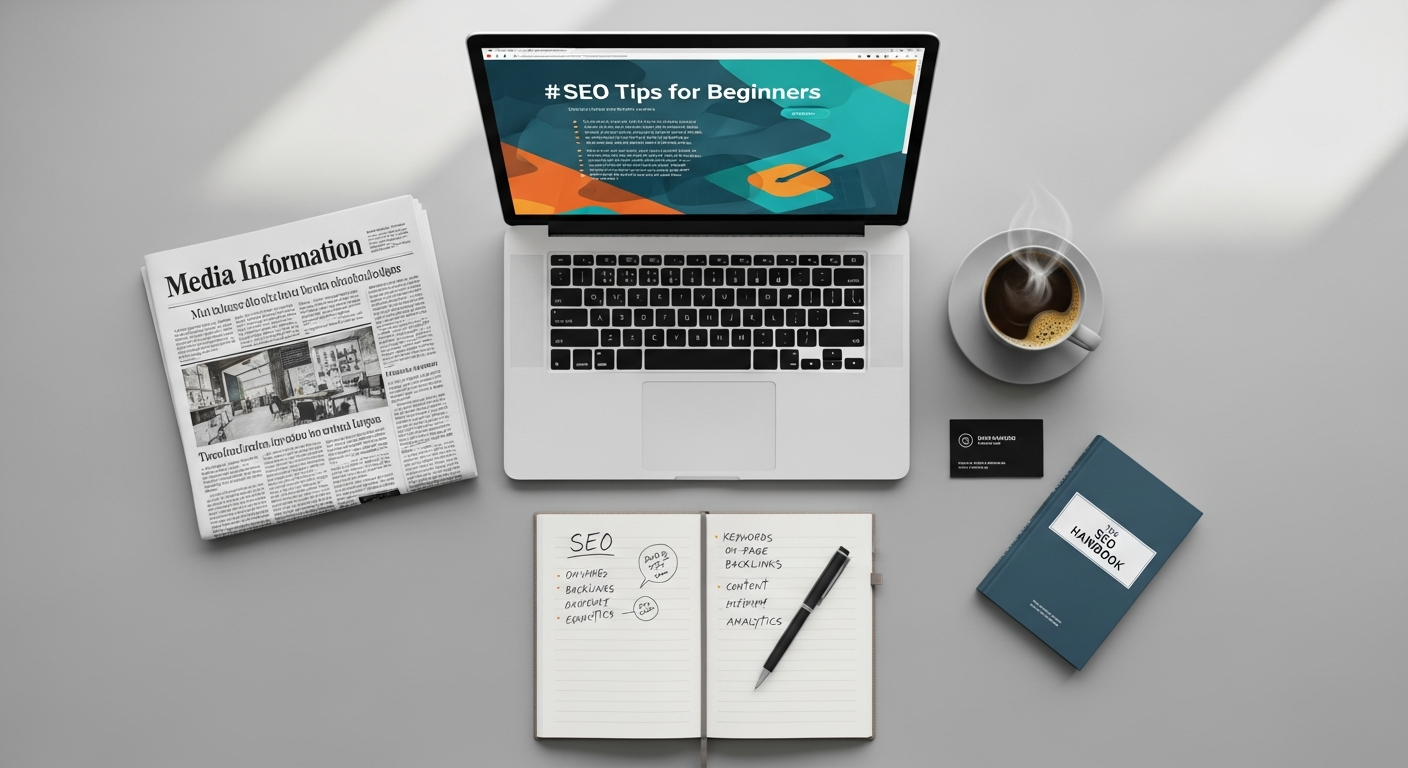
On-page SEO refers to all the optimizations you can make directly on your website to improve its search engine ranking. For beginners in 2026, mastering these fundamentals is non-negotiable. It’s about making your content easy for search engines to understand and highly relevant to user queries.
Keyword Research: The Cornerstone of Your Strategy
- Beyond Single Keywords: In 2026, keyword research is less about finding a single, high-volume term and more about understanding the full spectrum of user intent behind various search queries. Focus on long-tail keywords (phrases of three or more words) that are specific to your niche. These often have lower search volume but higher conversion rates because they reflect more specific user needs.
- Semantic SEO: Search engines are excellent at understanding the relationships between words. Instead of just targeting “best SEO tips,” consider related terms like “beginner guide search engine optimization,” “how to rank higher on Google,” or “SEO strategies for new websites.” Use tools like Google Keyword Planner, Ahrefs, Semrush, or even Google’s “People Also Ask” section to discover these related terms and topics.
- Competitor Analysis: See what keywords your competitors are ranking for. This can uncover opportunities you might have missed and help you understand the landscape of your industry.
Crafting Compelling Title Tags and Meta Descriptions
- Title Tags (
): This is arguably the most important on-page element. It’s what appears in the browser tab and as the clickable headline in search results. Your title tag should be concise (around 50-60 characters), include your primary keyword, and be compelling enough to encourage clicks. Make it unique for every page. - Meta Descriptions (): While not a direct ranking factor, a well-written meta description significantly impacts your click-through rate (CTR). It’s the short paragraph that appears under your title tag in search results. Use it to summarize your page’s content, include a call to action, and weave in relevant keywords naturally. Keep it around 150-160 characters.
Strategic Use of Header Tags (H1, H2, H3, etc.)
- Structure for Readability: Header tags (
<h1>,<h2>,<h3>, etc.) organize your content, making it easier for both users and search engines to read and understand. Think of them as an outline for your article. - H1 for Main Topic: Each page should have only one
<h1>tag, which typically mirrors your page title and clearly states the main topic. - H2s for Main Sections: Use
<h2>tags to break your content into major sections, often incorporating secondary keywords or variations of your primary keyword. - H3s for Subsections:
<h3>tags further divide<h2>sections, providing more detail and improving readability.
High-Quality Content: The King of On-Page SEO
- Depth and Value: In 2026, content quality is paramount. Provide comprehensive, accurate, and insightful information that thoroughly addresses the user’s query. For many topics, “Long Form Vs Short Form Content” discussions often conclude that long-form content (1,500+ words) tends to perform better for SEO because it allows for greater depth, covers more subtopics, and builds greater authority. However, short-form content can be effective for specific, quick-answer queries or social media engagement. The key is intent and value.
- Readability: Write clearly, use short paragraphs, bullet points, and images to break up text. Avoid jargon where possible, or explain it clearly.
- Originality: Plagiarized or thin content will struggle to rank. Offer unique insights and perspectives.
Image Optimization
- Alt Text: Describe your images using descriptive alt text (
<img alt="description">). This helps search engines understand the image content (improving image search) and provides accessibility for visually impaired users. - File Size: Compress images to reduce file size without sacrificing quality. Large images slow down your page, negatively impacting user experience and SEO.
Internal Linking
- Connect Your Content: Link relevant pages within your own website. This helps search engines discover new content, spreads link equity (PageRank) throughout your site, and guides users to related information, increasing time on site.
- Descriptive Anchor Text: Use descriptive and keyword-rich anchor text (the clickable text of the link) rather than generic phrases like “click here.”
By diligently applying these on-page SEO techniques, beginners can significantly improve their content’s visibility and relevance in the eyes of search engines, setting a strong foundation for organic growth.
Technical SEO Essentials for a Robust Online Presence
Site Speed: The Need for Speed
- Core Web Vitals: Google explicitly uses Core Web Vitals (CWV) as ranking factors. These metrics measure user experience aspects like loading performance, interactivity, and visual stability.
- Optimize Images: As mentioned, compress images.
- Minify Code: Reduce the size of your HTML, CSS, and JavaScript files by removing unnecessary characters.
- Leverage Browser Caching: Store parts of your website on a user’s browser, so it loads faster on subsequent visits.
- Use a Content Delivery Network (CDN): A CDN serves your content from servers geographically closer to your users, significantly reducing load times.
Mobile-Friendliness: A Prerequisite, Not a Luxury
- Mobile-First Indexing: Google primarily uses the mobile version of your content for indexing and ranking. If your site isn’t mobile-friendly, you’re at a significant disadvantage.
- Responsive Design: Ensure your website adapts seamlessly to different screen sizes and devices. Text should be readable without zooming, and buttons should be easily tappable.
- Test Your Site: Use Google’s Mobile-Friendly Test tool to check your site’s performance on mobile devices.
Crawlability and Indexability: Guiding Search Engines
- XML Sitemaps: An XML sitemap lists all the important pages on your website, helping search engines discover and crawl them more efficiently. Submit your sitemap to Google Search Console.
- Robots.txt File: This file tells search engine bots which parts of your site they can and cannot crawl. Use it carefully to prevent indexing of private or irrelevant pages, but ensure you’re not blocking important content.
- Canonical Tags: If you have duplicate content (e.g., the same product listed under different categories), a canonical tag (
<link rel="canonical" href="...">) tells search engines which version is the preferred one to index, preventing dilution of ranking power.
SSL Certificate (HTTPS): Security and Trust
- Encryption: An SSL certificate encrypts data transferred between a user’s browser and your server, ensuring secure communication. Websites with HTTPS are indicated by a padlock icon in the browser.
- Ranking Factor: Google has confirmed that HTTPS is a minor ranking factor. More importantly, it builds user trust, which can indirectly influence engagement and SEO. If your site isn’t HTTPS in 2026, it will be flagged as “not secure” by browsers, severely impacting user confidence.
Clean URL Structure
- Descriptive and Simple: Your URLs should be short, descriptive, and include relevant keywords. Avoid long, complex URLs with unnecessary parameters.
- Example: Instead of
www.example.com/p?id=12345&cat=blog, aim forwww.example.com/seo-tips-for-beginners-2026. This improves user experience and helps search engines understand your page’s content.
By addressing these technical SEO elements, beginners can ensure their website is not only accessible but also optimized for the efficient processing by search engine algorithms, paving the way for better rankings and a more robust online presence in 2026.
Off-Page SEO: Building Authority and Trust Beyond Your Website
Off-page SEO encompasses all the activities performed outside your website to improve its search engine ranking. While on-page and technical SEO are about making your site discoverable, off-page SEO is about building its authority, credibility, and trustworthiness in the eyes of search engines. For “SEO tips for beginners 2026,” understanding this distinction is crucial.
Backlinks: The Ultimate Vote of Confidence
- Quality Over Quantity: Not all backlinks are created equal. A backlink from a highly authoritative, relevant website is far more valuable than dozens of links from low-quality or spammy sites. Focus on earning links from reputable sources in your industry.
- Natural Link Building: The best links are earned naturally, meaning other websites link to your content because they find it valuable and relevant. This is achieved by creating exceptional content that people want to share and reference.
- Strategies for Earning Backlinks:
- Guest Blogging: Write high-quality articles for other authoritative blogs in your niche, including a link back to your site in your author bio or within the content (if relevant).
- Broken Link Building: Find broken links on other websites, create similar content to the missing page, and then suggest your content as a replacement.
- Resource Pages: Identify websites that curate lists of valuable resources and suggest your content for inclusion.
- Skyscraper Technique: Find popular content in your niche, create something even better, and then reach out to sites linking to the original content.
- Avoid Black Hat Tactics: Do not buy links, engage in link schemes, or use other manipulative tactics. Search engines are highly sophisticated at detecting these and will penalize your site.
Brand Mentions and Citations
- Unlinked Mentions: Even if another website mentions your brand or business without linking to you, it can still signal authority and relevance to search engines. Monitor for these mentions and, where appropriate, politely request that they convert the mention into a link.
- Citations for Local SEO: For businesses targeting a local audience (which is a key component of a “Digital Marketing Strategy Small Business 2026”), consistent citations across various online directories (e.g., Yelp, Yellow Pages, industry-specific directories) are vital. A citation is any online mention of your business’s Name, Address, and Phone number (NAP).
Local SEO: Dominating Your Geographic Area
- Google Business Profile (GBP): This is arguably the most important tool for local SEO. Optimize your GBP listing with accurate information, high-quality photos, relevant categories, and encouraging customer reviews. Respond to all reviews, positive and negative.
- Local Keywords: Incorporate location-specific keywords into your content (e.g., “best coffee shop London,” “SEO consultant New York”).
- Local Link Building: Seek backlinks from local businesses, community organizations, and local news websites.
Social Media Signals (Indirect Impact)
- While social media shares and likes are not direct ranking factors, they play an indirect role in SEO.
- Content Amplification: Social media helps distribute your content, increasing its visibility and potential for attracting backlinks.
- Brand Awareness: Increased brand awareness can lead to more direct searches for your brand, which search engines interpret as a sign of relevance and authority.
- Engagement: Active social media profiles can foster community and drive traffic to your website, contributing to positive user signals.
Off-page SEO requires patience and consistent effort. It’s about building genuine relationships, producing valuable content, and establishing your brand as a trusted authority in your niche. For beginners in 2026, a strategic approach to off-page SEO will significantly amplify the impact of your on-page efforts.
Content Strategy for SEO in 2026: From Creation to Promotion
Content is the fuel that drives your SEO engine. In 2026, a robust content strategy is not just about writing blog posts; it’s about understanding your audience, producing diverse content types, and strategically distributing it to maximize reach and impact. For beginners, integrating content creation with SEO from the very start is paramount.
Understanding Your Audience and Their Needs
- Buyer Personas: Develop detailed profiles of your ideal audience members. What are their demographics, interests, pain points, and search behaviors? Understanding these will help you create content that truly resonates.
- Search Intent: Every search query has an underlying intent. Is the user looking for information (informational), trying to buy something (transactional), comparing products (commercial investigation), or navigating to a specific website (navigational)? Tailor your content to match the user’s intent.
- Customer Journey: Map content to different stages of the customer journey (awareness, consideration, decision). A beginner in “Digital Marketing Strategy Small Business 2026” should aim to create content that addresses questions at every stage.
Diversifying Your Content Types
- Blog Posts: Still a cornerstone, but focus on depth, originality, and E-E-A-T.
- Videos: YouTube is the second-largest search engine. Optimize videos with keywords in titles, descriptions, and tags. Consider embedding videos on your website for richer content.
- Infographics: Visually appealing and easily shareable, infographics can convey complex information concisely.
- Podcasts: Offer an audio alternative for your audience, reaching them in new contexts. Transcribe podcasts for additional text content that search engines can crawl.
- Case Studies & Whitepapers: Excellent for demonstrating expertise and building authority, especially in B2B contexts or for service-based small businesses.
- Interactive Content: Quizzes, polls, and calculators can increase engagement and time on page.
Balancing Long Form Vs Short Form Content
The debate between “Long Form Vs Short Form Content” isn’t about choosing one over the other; it’s about strategic application:
- Long-Form Content (1,500+ words):
- Pros: Tends to rank for more keywords, builds greater authority, often earns more backlinks, provides in-depth answers, and keeps users on your site longer. Ideal for evergreen guides, comprehensive tutorials, and deep dives into complex topics.
- Cons: Requires more time and resources to produce.
- Short-Form Content (Under 1,000 words):
- Pros: Quicker to produce, good for timely news, quick tips, social media updates, and answering very specific, low-complexity questions. Can drive traffic for specific, niche queries.
- Cons: Less likely to rank for competitive keywords, may not build as much authority.
- Strategic Balance: For beginners in 2026, a balanced approach is best. Use long-form content to establish your authority and target broad, competitive keywords, while using short-form content for news, quick updates, and supporting specific long-tail queries. Repurpose long-form content into shorter snippets for social media, email newsletters, or infographics.
Content Calendar and Planning
- Consistency is Key: Develop a content calendar to plan topics, formats, and publication dates. This ensures a consistent flow of fresh content, which search engines appreciate.
- Keyword Mapping: Map your target keywords to specific pieces of content to avoid keyword cannibalization (where multiple pages on your site compete for the same keyword).
Content Promotion and Distribution
- Social Media: Share your content across relevant platforms.
- Email Marketing: Notify your subscribers about new content.
- Influencer Outreach: Collaborate with influencers in your niche to amplify your message.
- Content Syndication: Explore opportunities to republish your content on other reputable sites (with proper canonicalization) to expand reach.
A well-executed content strategy, informed by SEO principles, will not only attract organic traffic but also establish your brand as a valuable resource in your industry. This approach is central to any successful “Digital Marketing Strategy Small Business 2026”.
Leveraging Tools and Analytics: Smart SEO for Beginners
Even for beginners, navigating the world of SEO in 2026 without the right tools and a keen eye on analytics is like sailing without a compass. Fortunately, there’s a wealth of resources available, many of them free, that can help you monitor performance, identify opportunities, and refine your strategy.
Google Search Console (GSC): Your Direct Line to Google
- Indispensable: GSC is a free tool provided by Google that offers crucial insights into how Google views your website. It’s a must-have for every beginner.
- Key Features for Beginners:
- Performance Report: See which queries bring users to your site, your average position in search results, and click-through rates. This helps identify high-performing content and opportunities for optimization.
- Index Coverage: Understand which pages are indexed by Google and if there are any issues preventing pages from being crawled or indexed.
- Sitemaps: Submit your XML sitemap here to help Google discover all your important pages.
- Core Web Vitals Report: Monitor your site’s performance against Google’s key user experience metrics.
- Mobile Usability: Identify issues affecting your site’s mobile-friendliness.
- Manual Actions: Be alerted if your site has received any manual penalties from Google.
- Actionable Insights: Use GSC to identify pages with low CTR but high impressions (suggesting a need for better title tags/meta descriptions), or discover new keywords your content is ranking for.
Google Analytics 4 (GA4): Understanding User Behavior
- Data-Driven Decisions: GA4 is Google’s latest analytics platform, focusing on event-based data collection. It helps you understand how users interact with your website.
- Key Metrics for Beginners:
- Traffic Acquisition: See where your users are coming from (organic search, social media, direct, etc.).
- Engagement: Track metrics like engaged sessions, average engagement time, and events (e.g., button clicks, video plays). This helps you understand if your content is truly resonating.
- Conversions: Set up conversion events to track specific actions, like form submissions, purchases, or newsletter sign-ups. This ties your SEO efforts directly to business goals.
- Connecting the Dots: Link GA4 with GSC to get a holistic view of your SEO performance, from search visibility to on-site user behavior.
Basic Keyword Research Tools
- Google Keyword Planner: A free tool (requires a Google Ads account) that helps you discover keywords, estimate their search volume, and gauge competition. Excellent for identifying initial keyword ideas.
- Ubersuggest (Free Tier): Offers some free daily searches for keyword ideas, content suggestions, and competitor analysis.
- AnswerThePublic: Visualizes questions people ask around your target keywords, helping you uncover long-tail opportunities and content ideas.
- Paid Tools (for advanced users): Ahrefs, Semrush, Moz, and SpyFu offer more in-depth analysis, backlink data, and competitor insights, but come with a subscription cost. As a beginner, focus on mastering the free options first.
Marketing Automation Tools 2026 for SEO Support
While dedicated SEO tools are essential, “Marketing Automation Tools 2026” can indirectly support your SEO efforts, particularly for small businesses looking to streamline their “Digital Marketing Strategy Small Business 2026”.
- Content Distribution: Automation tools can schedule social media posts, email newsletters, and content updates, ensuring your new content gets seen and potentially attracts backlinks.
- Lead Nurturing: By automating email sequences, you can nurture leads generated through organic search, turning visitors into customers. This improves conversion rates, which can indirectly signal quality to search engines.
- Reporting & Analytics Integration: Many marketing automation platforms integrate with Google Analytics and other SEO tools, providing a more unified dashboard for tracking performance and ROI.
- Personalization: Delivering personalized content based on user behavior can increase engagement, time on site, and reduce bounce rate, all positive signals for SEO.
Monitoring Performance and Adapting Strategy
- Regular Reviews: Make it a habit to regularly review your GSC and GA4 data. Look for trends, identify underperforming content, and spot new opportunities.
- A/B Testing: Test different title tags, meta descriptions, or calls to action to see what resonates best with your audience and improves CTR.
- Stay Updated: The SEO landscape is constantly changing. Follow reputable SEO blogs (like Page Release!), industry news, and Google’s official announcements to stay ahead of algorithm updates and best practices for 2026.
By effectively using these tools and insights, beginners can move beyond guesswork, making data-driven decisions that propel their SEO strategy forward and ensure sustained growth in 2026.
Embarking on your SEO journey in 2026 as a beginner might seem daunting, but by focusing on these foundational principles—understanding the evolving landscape, mastering on-page and technical essentials, building off-page authority, crafting a smart content strategy, and leveraging powerful analytics tools—you’re well-equipped for success. Remember, SEO is not a one-time task but an ongoing process of learning, adapting, and optimizing. Consistency, patience, and a genuine commitment to providing value to your audience will be your greatest assets. The digital world of 2026 rewards authenticity and utility, so focus on creating the best possible experience for your users, and search engines will naturally follow suit. Happy optimizing!
Frequently Asked Questions
Recommended Resources
Explore How To Invest 1000 Dollars for additional insights.
Explore What Is A Business Model And How To Choose One for additional insights.