

Crafting Thought Leadership Programs That Drive Tangible Demand and Business Growth
Thought leadership, when executed correctly, transforms your brand from a vendor into an indispensable authority, a trusted advisor that educates, inspires, and challenges conventional thinking. But the real magic happens when this influence translates directly into measurable business outcomes – specifically, generating real demand. This article will guide you through the process of developing and implementing thought leadership programs designed to do just that: move beyond vanity metrics and drive tangible demand that fuels your growth.
Understanding the True Power of Thought Leadership for Demand Generation
Many organizations dabble in thought leadership, publishing occasional blog posts or social media updates. While these efforts can contribute to brand awareness, they often fail to tap into the full potential of thought leadership as a demand generation engine. The true power lies in its ability to fundamentally shift buyer perceptions and behavior, directly influencing their decision-making process long before a sales conversation even begins.
Effective thought leadership programs don’t just inform; they challenge existing paradigms, offer fresh perspectives, and provide actionable frameworks that solve complex problems. This approach builds deep trust and credibility, which are invaluable currencies in today’s market. When buyers trust your expertise, they are more likely to engage with your content, consider your solutions, and ultimately, choose your company. This trust can:
- Shorten Sales Cycles: Buyers arrive at sales conversations already educated and pre-disposed to your solutions, thanks to your insights.
- Increase Deal Size: Established authority allows you to command premium pricing and expand service offerings.
- Enhance Brand Equity: Your brand becomes synonymous with innovation, reliability, and expertise, attracting top talent and strategic partnerships.
- Differentiate from Competitors: In a crowded market, unique insights and a strong point of view set you apart from those merely selling features.
By consistently addressing the pain points and aspirations of your target audience with authoritative content, you naturally create a gravitational pull, drawing potential customers towards your solutions. This is the essence of demand generation through thought leadership: cultivating an audience that actively seeks out your expertise and, by extension, your offerings.
Defining Your Niche and Audience: The Foundation of Influence
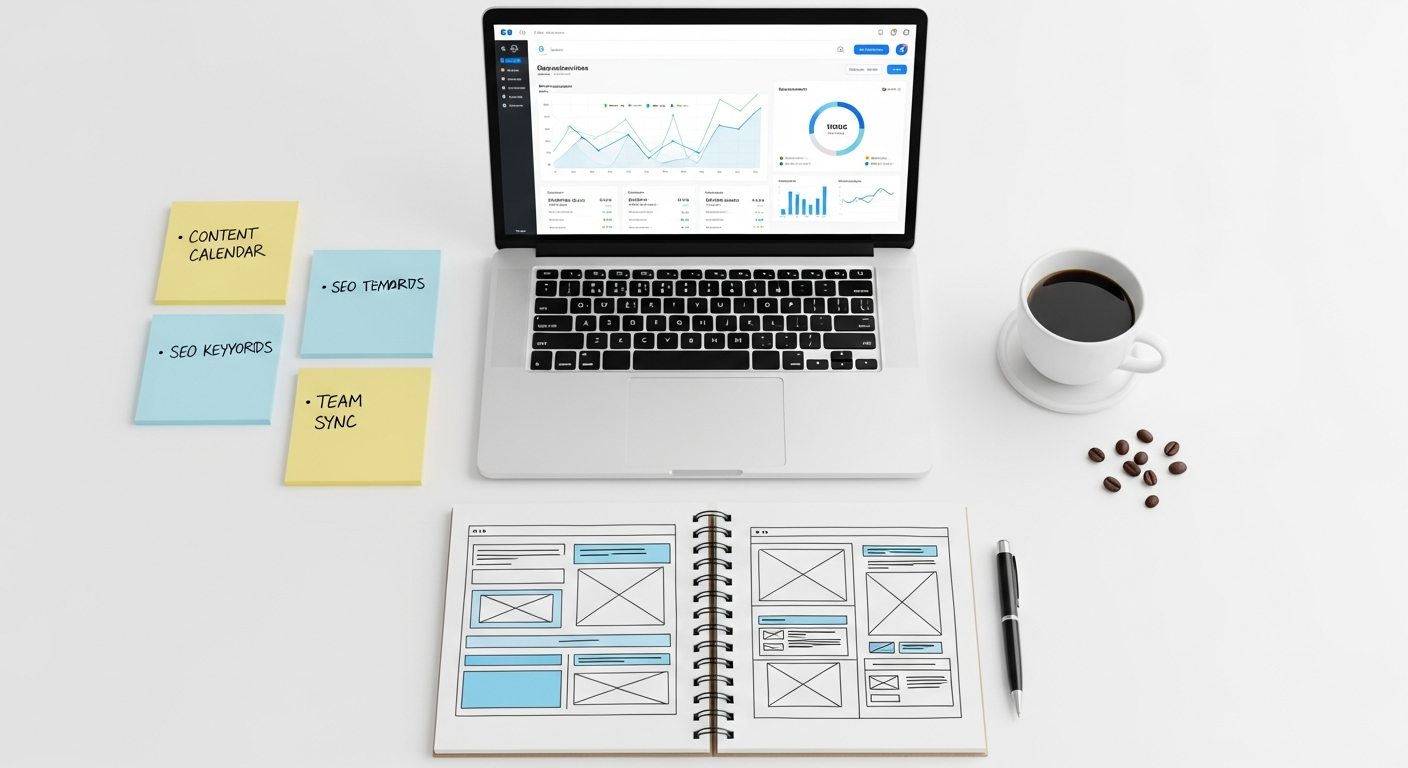
Before you can lead, you must know where you’re going and who you’re leading. The foundation of any successful thought leadership program is a deep, granular understanding of your niche and your target audience. Without this clarity, your efforts risk being too broad, diluted, and ultimately ineffective in generating real demand.
1. Pinpointing Your Unique Niche
Resist the urge to be a thought leader for everyone. True influence comes from hyper-specialization. Ask yourself:
- What specific problems does my business uniquely solve?
- What proprietary data, research, or experience do we possess that others don’t?
- What emerging trends or underserved areas within our industry can we champion?
- Where is there a gap in existing knowledge or a prevailing conventional wisdom that we can challenge?
Tools like SEMrush or Ahrefs can help you identify content gaps and areas where your competitors are not yet dominating. Look for long-tail keywords and niche topics that indicate specific, unmet information needs. Your niche should be narrow enough to allow for deep expertise but broad enough to attract a viable audience.
2. Deep Dive into Your Audience
Understanding your audience goes far beyond basic demographics. You need to develop comprehensive buyer personas that include:
- Professional Roles and Responsibilities: Who are they within their organization? What are their daily tasks?
- Core Challenges and Pain Points: What keeps them up at night? What obstacles do they face in achieving their goals?
- Aspirations and Goals: What successes are they striving for? How do they define professional achievement?
- Information Consumption Habits: Where do they go for information? Which publications, podcasts, or social platforms do they frequent? Are they on LinkedIn, Twitter, industry forums, or specific subreddits?
- Objections and Concerns: What are their hesitations when considering new solutions or approaches?
Leverage your existing customer data, conduct interviews with your sales team, run surveys, and utilize social listening tools like Sprout Social or Hootsuite to monitor conversations and identify recurring themes. Google Analytics can provide insights into what content your current website visitors are engaging with most. The more intimately you understand your audience, the better equipped you’ll be to create content that resonates deeply and positions you as the expert they need.
Once you have a clear understanding of your niche and audience, you can define your thought leadership pillars – the core themes and topics around which all your content will revolve. These pillars should directly address your audience’s most pressing needs while showcasing your unique expertise.
Content Strategy: Creating High-Value, Differentiated Insights
The heart of any successful thought leadership program is its content. But this isn’t just any content; it must be high-value, deeply insightful, and genuinely differentiated. Your goal is not to simply add to the noise, but to cut through it with perspectives and data that truly matter to your target audience.
1. Prioritize Originality and Depth
Avoid simply regurgitating existing information. True thought leadership:
- Presents Proprietary Research: Conduct your own surveys, studies, or data analysis. This creates unique assets no one else has.
- Offers Unique Perspectives: Challenge conventional wisdom, predict future trends, or provide an unconventional solution to a common problem.
- Provides Actionable Frameworks: Don’t just identify problems; offer clear, step-by-step guidance or models for solving them.
- Leverages Unique Experience: Share lessons learned from your own business journey, client successes, or industry observations.
Tools like Google Scholar for academic research, industry reports, and even patent filings can help inform your unique perspectives. Utilize your internal experts – your engineers, data scientists, strategists, and executives – as sources for deep insights that can’t be found elsewhere.
2. Diverse Content Formats for Diverse Needs
While long-form written content is foundational, thought leadership thrives across various formats:
- Long-Form Articles & Whitepapers: In-depth explorations of complex topics, often gated to capture leads. Host these on dedicated landing pages (e.g., using HubSpot’s landing page builder) to track downloads.
- Research Reports & E-books: Comprehensive guides or studies, often featuring proprietary data, establishing you as a definitive source.
- Webinars & Virtual Events: Live sessions allowing for direct engagement, Q&A, and real-time interaction with your audience. Promote these through email lists and social media.
- Podcasts & Video Series: Offer accessible, digestible insights for audiences on the go. YouTube is excellent for video, while platforms like Buzzsprout or Libsyn host podcasts.
- Case Studies: Demonstrating how your insights have led to real-world success for clients, reinforcing credibility.
- Opinion Pieces & Editorials: Shorter, punchier content designed to spark debate and showcase your stance on industry issues (e.g., LinkedIn Pulse articles).
- Interactive Content: Quizzes, calculators, or diagnostic tools that provide personalized value and capture user data.
Develop an editorial calendar that strategically plans out your content, ensuring a consistent flow of valuable insights across these formats. This calendar should align with your overarching business goals and seasonal industry trends.
Multi-Channel Distribution: Amplifying Your Thought Leadership
Creating exceptional thought leadership content is only half the battle; the other half is ensuring it reaches the right audience. A robust multi-channel distribution strategy is crucial for amplifying your message and maximizing its demand-generating potential. You need to meet your audience where they are, whether that’s on professional networks, through industry publications, or in their email inbox.
1. Owned Channels: Your Home Base
- Your Company Blog/Resource Center: This is your primary hub. Optimize content for SEO using tools like Google Keyword Planner, SEMrush, or Ahrefs to ensure organic visibility.
- Email Marketing: Cultivate a subscriber list (using platforms like HubSpot, Mailchimp, or Constant Contact) and regularly share your latest insights. Segment your list to deliver highly relevant content.
- Website Integration: Feature thought leadership prominently on your homepage, service pages, and in relevant calls-to-action (CTAs).
2. Earned Channels: Third-Party Validation
Leveraging earned media significantly boosts credibility and reach:
- Media Outreach & PR: Pitch your insights to relevant industry publications, news outlets, and podcasts. This is where a strong PR strategy, like those advocated by PageRelease.com, becomes invaluable.
- Guest Posting: Contribute articles to reputable industry blogs and websites, linking back to your original content.
- Speaking Engagements: Present at industry conferences, webinars, or workshops. This positions you as a live expert and offers direct interaction.
- Influencer Collaborations: Partner with established figures in your niche to co-create or promote content.
3. Social Media: Direct Engagement & Amplification
Strategic use of social platforms is non-negotiable:
- LinkedIn: The undisputed king for B2B thought leadership. Share articles, post short-form insights, participate in relevant groups, and encourage employees to share. Leverage LinkedIn Ads for targeted promotion.
- Twitter/X: Ideal for sharing concise insights, participating in industry discussions, and engaging with news. Use threads to break down longer content.
- Meta (Facebook/Instagram): While often seen as B2C, these platforms can be effective for reaching broader audiences or specific niche communities (e.g., Facebook Groups). Use Meta Ads for precise audience targeting.
- YouTube: For video content, host webinars, expert interviews, and animated explainers.
Use social media management tools like Hootsuite or Sprout Social to schedule posts, monitor engagement, and track performance across platforms.
4. Paid Channels: Targeted Reach
Accelerate your reach with targeted advertising:
- Content Syndication: Distribute your premium content (whitepapers, e-books) through platforms that target specific professional audiences.
- Paid Social Promotion: Boost key posts, run lead generation campaigns, or promote webinars on LinkedIn, Meta, and other relevant platforms.
- Search Engine Marketing (SEM): While thought leadership focuses on organic, strategic use of Google Ads for related keywords can drive traffic to your content.
Here’s a comparison of common thought leadership distribution channels:
| Distribution Channel | Primary Strength | Best For | Key Metric Examples |
|---|---|---|---|
| Owned Blog/Website | Full control, SEO benefits, evergreen content hub | In-depth articles, resource libraries, lead capture | Organic traffic, time on page, conversion rates |
| LinkedIn (Organic/Paid) | Professional networking, B2B audience, high credibility | Short insights, article sharing, professional discussions, lead gen | Impressions, engagement rate, MQLs from campaigns |
| Email Marketing | Direct reach to engaged audience, high conversion potential | New content alerts, exclusive insights, webinar invitations | Open rates, click-through rates, lead conversions |
| Industry Publications (Earned Media) | Third-party validation, broad reach to targeted audience | Op-eds, expert quotes, contributed articles | Mentions, referral traffic, brand sentiment |
| Webinars/Virtual Events | Interactive engagement, real-time Q&A, direct lead capture | Deep dives, product demos, expert panels | Registrations, attendance rate, post-event survey responses |
| YouTube/Podcasts | Accessibility, diverse content formats (audio/video), evergreen | Interviews, tutorials, series, quick insights | Views, listenership, subscriber growth, engagement |
A truly effective distribution strategy combines these channels, using each for its unique strengths to create a cohesive and widespread presence for your thought leadership.
Measuring Impact: Beyond Impressions to Lead Generation
The cardinal rule of demand-generating thought leadership is this: if you can’t measure it, you can’t manage it. Moving beyond simple vanity metrics like impressions or likes requires a robust tracking and attribution framework that connects your thought leadership efforts directly to tangible business outcomes.
1. Define Your Key Performance Indicators (KPIs)
Your KPIs should align with the stages of the buyer journey and directly reflect demand generation goals:
- Awareness Metrics:
- Website Traffic: Unique visitors, page views to thought leadership content (monitor via Google Analytics).
- Social Reach & Mentions: How many people saw your content, and how often is your brand/expert mentioned (track with Hootsuite, Sprout Social, or brand monitoring tools).
- Media Placements: Number and quality of earned media mentions (PR tracking).
- Engagement Metrics:
- Time on Page: For articles and whitepapers, indicating depth of consumption (Google Analytics).
- Download Rates: For gated content like e-books or reports.
- Social Engagement: Shares, comments, reactions (platform analytics).
- Webinar Attendance & Retention: How many registered, attended, and stayed for the duration.
- Email Click-Through Rates: For newsletters linking to thought leadership.
- Lead Generation Metrics:
- Conversion Rates: From content engagement (e.g., whitepaper download) to lead form submission (track in HubSpot or your CRM).
- Marketing Qualified Leads (MQLs): Number of leads generated directly or indirectly influenced by thought leadership content.
- Lead Quality: Are the leads generated through thought leadership better qualified than others? (Assess with your sales team).
- Sales Impact Metrics:
- Sales Qualified Leads (SQLs) & Opportunities: How many MQLs converted to SQLs and then to actual sales opportunities.
- Influenced Pipeline: The total value of sales opportunities where thought leadership played a role in the buyer’s journey.
- Shortened Sales Cycle: Are deals influenced by thought leadership closing faster?
- Increased Deal Size: Are these deals of higher value?
- Customer Acquisition Cost (CAC): Is thought leadership lowering your CAC?
2. Implement Robust Tracking and Attribution
Connecting the dots between content and revenue requires meticulous tracking:
- UTM Parameters: Use UTM tags for all external links to your content to track source, medium, and campaign in Google Analytics.
- CRM Integration: Ensure your marketing automation platform (e.g., HubSpot Marketing Hub) is fully integrated with your CRM (e.g., HubSpot Sales Hub, Salesforce). This allows you to track a lead’s entire journey, from their first content download to a closed deal.
- Gated Content: Place valuable content behind forms to capture lead information.
- Attribution Models: Experiment with different attribution models (first-touch, last-touch, multi-touch) to understand how thought leadership contributes at various stages of the customer journey.
- Feedback Loops: Regularly consult with your sales team. They can provide invaluable qualitative feedback on lead quality and content effectiveness in sales conversations.
By establishing clear metrics and robust tracking, you can demonstrate the ROI of your thought leadership program, identify what’s working, and continuously optimize your strategy for maximum demand generation.
Building a Sustainable Thought Leadership Ecosystem
Thought leadership is not a one-off campaign; it’s an ongoing commitment that requires a sustainable ecosystem. To consistently generate demand, you need internal buy-in, dedicated resources, a repeatable process, and a commitment to staying relevant.
1. Secure Internal Buy-In and Executive Sponsorship
Thought leadership thrives when it’s championed from the top. Secure buy-in from your leadership team by demonstrating the strategic value and potential ROI. Involve key executives and subject matter experts (SMEs) not just as content approvers, but as active participants in content creation, interviews, and public speaking. Their unique insights and credibility are invaluable.
2. Allocate Dedicated Resources
Building and maintaining a high-quality thought leadership program requires resources:
- Content Team: Dedicated writers, researchers, editors, and potentially multimedia specialists.
- Research Budget: For proprietary studies, data acquisition, and market analysis.
- PR & Distribution Support: To amplify your content through earned and paid channels.
- Technology: Marketing automation platforms (HubSpot), CRM, social media management tools (Hootsuite, Sprout Social), analytics platforms (Google Analytics).
3. Establish a Repeatable Content Workflow
Consistency is key. Develop a structured workflow for content creation:
- Idea Generation: Regular brainstorming sessions with SMEs, sales, and marketing teams; continuous monitoring of industry trends and competitor activity.
- Research & Outline: Thorough research to ensure originality and depth.
- Content Creation: Drafting, interviewing, data visualization.
- Review & Edit: Multiple rounds of review for accuracy, tone, and brand consistency.
- Optimization: SEO, internal linking, CTA placement.
- Distribution Planning: Tailoring content for different channels.
- Performance Analysis: Regular review of metrics and optimization.
4. Embrace Content Repurposing and Atomization
Maximize the ROI of your core thought leadership assets by repurposing them across various formats. A single comprehensive whitepaper can be transformed into:
- A series of blog posts.
- An infographic.
- A webinar script.
- Social media snippets and image quotes.
- A podcast episode.
- Email newsletter content.
- Sections within a sales enablement guide.
This “atomization” strategy ensures your valuable insights reach a broader audience through their preferred consumption methods, extending the lifespan and impact of your content.
5. Stay Agile and Relevant
The business landscape is constantly evolving. Your thought leadership program must be agile enough to adapt to new trends, technologies, and market shifts. Continuously monitor industry news, engage in social listening, and solicit feedback from your audience and sales team to ensure your insights remain timely, relevant, and impactful. This ongoing commitment to relevance ensures your program continues to generate real demand over the long term.
Integrating Thought Leadership with Your Sales Funnel
For thought leadership to truly drive demand, it cannot exist in a vacuum. It must be seamlessly integrated into every stage of your sales funnel, providing value and guiding prospects closer to a purchasing decision. This strategic alignment ensures that your expertise not only attracts attention but actively converts interest into tangible business opportunities.
1. Top of Funnel (ToFu): Attracting Awareness and Interest
At the awareness stage, your thought leadership aims to introduce your brand as a credible voice and address broad industry challenges. The goal is to educate and intrigue, not to sell directly.
- Content Examples: Broad-topic blog posts, infographics, introductory webinars, opinion pieces, high-level research summaries, social media posts that spark curiosity.
- Integration: Promote these widely across social media (LinkedIn, Twitter, Meta), use SEO to capture organic search traffic, and share through PR efforts. Ensure clear, non-salesy calls-to-action (CTAs) that encourage further engagement, such as subscribing to a newsletter or downloading a free resource.
2. Middle of Funnel (MoFu): Nurturing Leads and Building Trust
Once prospects are aware of your brand, thought leadership helps them explore solutions and build a deeper trust in your expertise. Here, content becomes more specific, addressing particular pain points and demonstrating your unique approach.
- Content Examples: Detailed whitepapers, case studies, in-depth e-books, industry trend reports, expert interviews, solution-oriented webinars, comparison guides. These are often gated to capture lead information.
- Integration: Use marketing automation platforms (like HubSpot) to nurture leads with sequences of relevant thought leadership content based on their initial interactions. Sales teams can leverage these assets in follow-up emails and early-stage conversations to educate prospects and establish credibility.
3. Bottom of Funnel (BoFu): Enabling Sales and Driving Conversion
At the decision stage, thought leadership provides the final push, equipping prospects with the confidence and justification they need to choose your solution. Content here should directly address specific needs and overcome objections.
- Content Examples: Proprietary research demonstrating ROI, detailed implementation guides, advanced solution webinars with Q&A, personalized expert consultations, competitive analysis fueled by your unique insights.
- Integration: Sales teams should be fully trained on how to use these high-value thought leadership assets during sales calls and proposals. Your CRM (e.g., Salesforce, HubSpot Sales Hub) should track which content prospects engage with, allowing sales reps to tailor conversations and provide highly relevant, authoritative resources that directly support the purchasing decision. This direct link from insight to conversion is the ultimate goal of demand-generating thought leadership.
By strategically mapping your thought leadership content to each stage of the buyer journey, you ensure a continuous flow of value that educates, persuades, and ultimately drives demand, transforming curious prospects into loyal customers.
Key Takeaways
- Thought leadership must be strategically designed to move beyond awareness and actively generate measurable demand, influencing buyer decisions and shortening sales cycles.
- Deeply understand your unique niche and target audience, crafting detailed buyer personas to ensure your insights directly address their specific pain points and aspirations.
- Create high-value, differentiated content by prioritizing originality, proprietary research, and unique perspectives, delivered across diverse formats from long-form articles to interactive webinars.
- Implement a robust multi-channel distribution strategy utilizing owned, earned, and paid channels, with a strong emphasis on professional networks like LinkedIn, to amplify your message effectively.
- Establish clear KPIs and robust tracking (including CRM integration and UTM parameters) to measure the impact of your thought leadership on engagement, lead generation, and ultimately, sales revenue.