
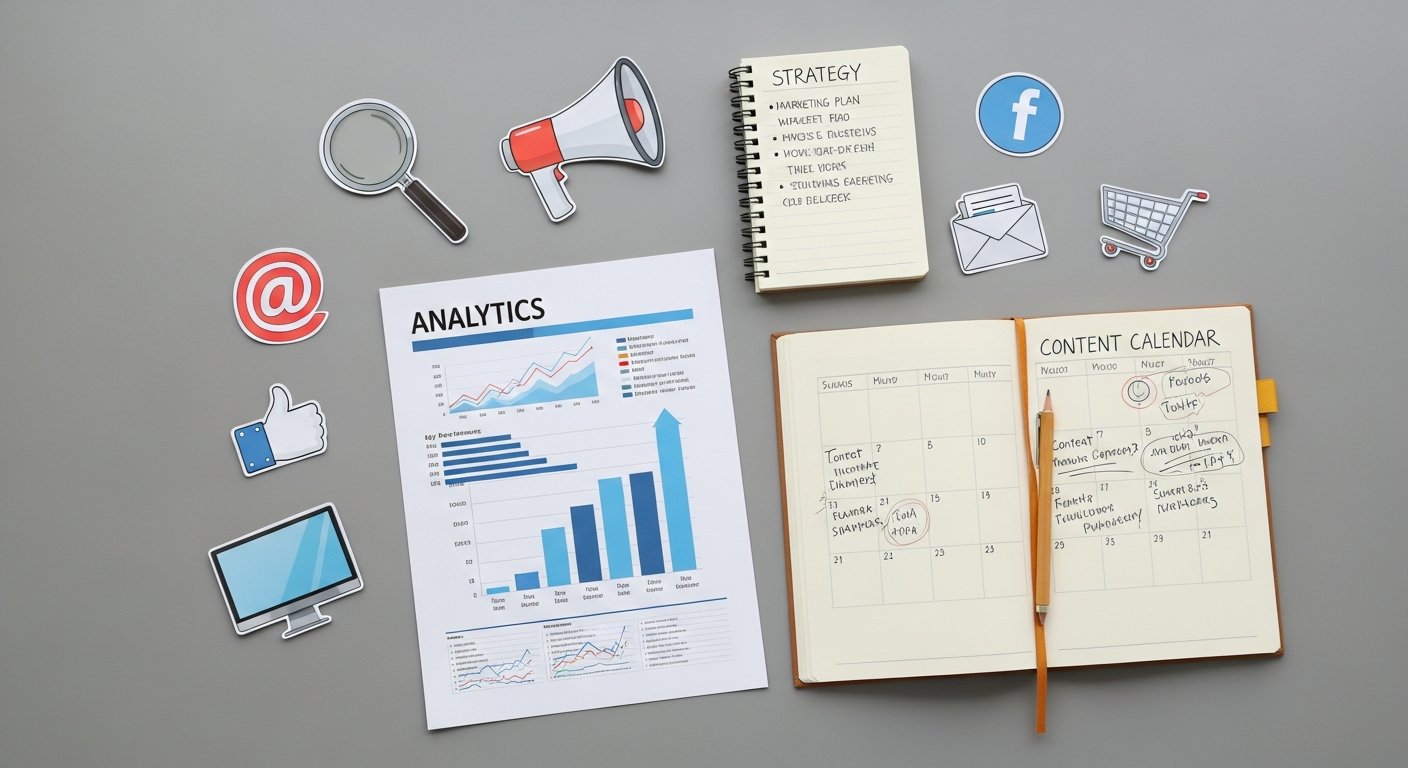
TikTok Marketing Strategy for Businesses: Your Complete Guide to Success in 2026
For business owners and digital marketing strategists, understanding and mastering TikTok is no longer optional—it’s a critical component of a robust digital presence. This comprehensive guide will equip you with the insights, tactics, and tools necessary to build a powerful TikTok marketing strategy, ensuring your brand isn’t just present, but truly thrives on the platform by 2026 and beyond. We’ll delve into everything from content creation and advertising to influencer collaborations and advanced analytics, providing an actionable roadmap to unlock TikTok’s immense potential for your business.
Understanding the 2026 TikTok Landscape: Evolution and Opportunity
The TikTok of today is significantly more mature and diverse than its earlier iterations, and by 2026, it will have solidified its position as a dominant force in social media and e-commerce. Initially known for short-form, entertainment-focused content, TikTok has steadily expanded its features to include longer videos (up to 10 minutes), advanced e-commerce integrations, and increasingly sophisticated advertising tools. This evolution means businesses have more avenues than ever to connect with their audience.
User demographics have also broadened considerably. While Gen Z remains a core demographic, millennials now represent a substantial and growing segment, and even older generations are increasingly active on the platform. This demographic shift opens doors for a wider range of businesses, from B2C brands selling consumer goods to B2B companies looking to showcase thought leadership in engaging formats. The platform’s global reach, with over 1 billion monthly active users, presents unparalleled opportunities for market expansion.
The TikTok algorithm, a marvel of personalized content delivery, continues to be a central pillar of its success. By 2026, expect even more nuanced recommendations, driven by AI and machine learning, making it crucial for businesses to produce highly engaging, relevant content. The algorithm prioritizes watch time, shares, comments, and rewatches, not just likes, emphasizing the importance of captivating storytelling over mere impressions. Data from TikTok itself often highlights the effectiveness of authentic content over highly polished, traditional ads, a trend that will only intensify.
Crafting Your Foundational TikTok Strategy: Goals, Audience, and Voice
Before diving into content creation or ad campaigns, a robust foundational strategy is essential. Your TikTok presence must align with your broader business objectives and resonate deeply with your target audience. Without a clear strategy, your efforts risk being scattered and ineffective.
Defining Your Target Audience for TikTok
While TikTok has a broad user base, your specific niche will dictate who you’re trying to reach. Go beyond basic demographics. Consider:
- Psychographics: What are their interests, values, and pain points? What kind of content do they typically engage with on TikTok?
- Behavioral Patterns: When are they most active? What trends do they follow? What creators do they engage with?
- Buyer Journey Stage: Are you targeting users for brand awareness, consideration, or direct conversion?
Tools like TikTok Analytics (available with a Pro Account) and third-party platforms like Sprout Social or Hootsuite can provide valuable insights into your existing audience and help identify potential new segments.
Setting Clear, Measurable Goals
Your TikTok goals should be SMART: Specific, Measurable, Achievable, Relevant, and Time-bound. Examples include:
- Increase brand awareness by 20% (measured by reach and follower growth) within six months.
- Drive 1,000 unique website visits from TikTok per month.
- Generate 50 qualified leads through TikTok lead generation ads within one quarter.
- Improve customer engagement by achieving an average engagement rate of 5% on organic posts.
- Increase direct sales attributed to TikTok Shop by 15% year-over-year.
These goals will guide your content, advertising, and measurement efforts.
Competitor Analysis on TikTok
Observe what your competitors are doing well, and where they fall short. Analyze:
- Content Types: What kind of videos do they produce? (e.g., tutorials, trends, behind-the-scenes).
- Engagement: How do their videos perform in terms of views, likes, comments, and shares?
- Hashtags and Sounds: What are they using to gain visibility?
- Tone and Voice: How do they communicate with their audience?
This analysis isn’t about copying but about identifying gaps and opportunities to differentiate your brand.
Developing a Unique Brand Voice and Content Pillars
Authenticity is king on TikTok. Your brand voice should be consistent, relatable, and human. Decide if you’ll be humorous, educational, inspiring, or a blend. Then, establish content pillars—recurring themes or topics that align with your brand and audience interests. For example, a fitness brand might have pillars like “Quick Workout Tips,” “Healthy Meal Prep,” and “Motivation & Mindset.” This structure helps maintain consistency and ensures a diverse content mix.
Content Creation Mastery: Engaging Your Audience on TikTok
TikTok is a creative playground, and mastering content creation is paramount to capturing attention and driving engagement. By 2026, the demand for high-quality, authentic, and trend-aligned content will only intensify. Your strategy must prioritize creativity, relevance, and consistency.
Types of Content That Perform Well
A diverse content strategy is key. Here are proven content types:
- Trend Participation: Hop on trending sounds, challenges, and effects quickly. This shows your brand is current and relatable. Use tools like TikTok’s Creative Center to identify popular trends.
- Educational Content/Tutorials: “How-to” videos, life hacks, and quick tips are highly shareable and demonstrate expertise. Think about solving a common problem for your audience.
- Behind-the-Scenes: Show the human side of your business—your team, your processes, your values. This builds trust and authenticity.
- User-Generated Content (UGC): Encourage customers to create content featuring your products/services. Reposting UGC is powerful social proof and fosters community.
- Storytelling: Share compelling narratives about your brand’s journey, customer success stories, or relatable experiences.
- Product Showcases (Creative): Instead of direct ads, integrate products into entertaining or problem-solving scenarios.
- Challenges & Contests: Create your own branded challenges to encourage participation and virality.
Key Elements of a Successful TikTok Video
- Strong Hook (First 1-3 Seconds): Grab attention immediately. Use a question, a surprising fact, a bold statement, or a visually engaging opening.
- Trending Audio: Sounds are crucial. Use popular music or original audio that fits your content and boosts discoverability.
- Clear, Concise Message: Get to the point quickly. TikTok videos are short-form by nature, even with longer formats available.
- Visual Appeal: Good lighting, clear visuals, and dynamic editing keep viewers engaged.
- Text Overlays: Use text to reinforce your message, add context, or guide the viewer.
- Captions & Hashtags: Optimize your captions with relevant keywords and a mix of broad and niche hashtags (e.g., #yourindustry, #yourproduct, #yourbrand).
- Call to Action (CTA): Tell viewers what to do next—follow, visit link in bio, comment, shop now.
Utilizing TikTok’s Native Editing Tools and Features
TikTok’s in-app editor is powerful. Don’t underestimate it. You can:
- Add text, stickers, and GIFs.
- Apply filters and effects.
- Adjust video speed and trim clips.
- Record voiceovers.
- Use green screen effects.
For more advanced editing, consider external tools like CapCut (owned by ByteDance, TikTok’s parent company), InShot, or Adobe Premiere Rush. These can offer more control over transitions, color grading, and audio mixing.
Content Calendar Planning and Batch Creation
Consistency is vital. Develop a content calendar (e.g., weekly or bi-weekly) outlining topics, sounds, and publishing times. Batch creating content—filming several videos in one session—can significantly improve efficiency and ensure a steady stream of posts. Remember to allocate time for trend-jacking, as spontaneous content can often perform exceptionally well.
Comparison of TikTok Content Strategies for Businesses
| Strategy Type | Description | Best For | Key Advantages | Potential Challenges |
|---|---|---|---|---|
| Trend Participation | Adapting trending sounds, challenges, and formats to fit your brand’s message. | Brand Awareness, Virality, Niche Relevance | High potential for organic reach; positions brand as current and relatable; low production cost. | Trends are fleeting; requires quick execution; risk of misinterpretation or appearing inauthentic. |
| Educational/Tutorials | Sharing valuable “how-to” content, tips, or industry insights related to your product/service. | Thought Leadership, Lead Generation, Product Utility | Establishes expertise; provides real value to viewers; drives consideration; evergreen potential. | Can be less “viral” than entertainment; requires clear, concise delivery; needs consistent value. |
| Behind-the-Scenes (BTS) | Showcasing your team, company culture, product creation process, or daily operations. | Brand Authenticity, Trust Building, Employee Branding | Humanizes the brand; builds strong emotional connection; fosters transparency; boosts employee morale. | May require internal coordination; needs to be genuinely interesting; can reveal internal processes. |
| User-Generated Content (UGC) | Encouraging and reposting content created by your customers featuring your brand/products. | Social Proof, Community Building, Organic Reach | Highly authentic and trustworthy; boosts engagement; cost-effective; provides diverse perspectives. | Requires active community management; content quality can vary; needs clear consent for reposting. |
| Product Storytelling | Integrating products into relatable stories, problem/solution scenarios, or aspirational narratives. | Product Awareness, Sales Conversion, Brand Loyalty | Subtle promotion feels less like an ad; highlights product benefits in context; drives desire. | Requires creative scriptwriting; can be challenging to make products feel natural; risk of being too promotional. |
Leveraging TikTok Advertising for Business Growth
Organic reach on TikTok is powerful, but for scalable growth and targeted campaigns, TikTok’s advertising platform is indispensable. By 2026, TikTok Ads Manager will be even more sophisticated, offering businesses precise targeting and diverse ad formats to achieve various marketing objectives.
Overview of TikTok Ads Manager
Similar to Meta Ads Manager, TikTok Ads Manager is your central hub for creating, managing, and optimizing ad campaigns. You can set campaign objectives (e.g., reach, traffic, app installs, lead generation, conversions), define your audience, set budgets, and monitor performance. It’s crucial to familiarize yourself with its interface and capabilities.
Different Ad Formats
TikTok offers a range of ad formats, each suited for different goals:
- In-Feed Ads: These appear on the “For You” page, blending seamlessly with organic content. They can be 5-60 seconds long and include a clear call-to-action (CTA). This is the most common and versatile ad format.
- TopView Ads: Full-screen video ads that appear immediately when a user opens the app. They offer maximum visibility and impact, ideal for brand awareness campaigns.
- Branded Hashtag Challenges: Brands create a unique hashtag and encourage users to create content around it. This drives massive user-generated content and brand engagement. TikTok often partners with brands for these, offering premium placement.
- Branded Effects: Custom filters, stickers, and special effects that users can apply to their own videos. This enhances brand interaction and virality.
- Spark Ads: This format allows brands to boost existing organic content from their own account or from creators they’ve partnered with. It leverages authentic content, which often performs better than traditional ads, and allows for more precise targeting and measurement.
- Collection Ads: Allow users to browse and purchase products directly within TikTok, integrating e-commerce functionality.
- Lead Generation Ads: Designed to capture leads directly within the TikTok app using customizable forms.
Targeting Options
TikTok’s targeting capabilities are robust, allowing you to reach specific segments:
- Demographic Targeting: Age, gender, location, language.
- Interest Targeting: Based on users’ interactions with various content categories.
- Behavioral Targeting: Based on specific actions users take on the platform (e.g., video interactions, creator interactions, hashtag usage).
- Custom Audiences: Upload customer lists (e.g., email addresses) for retargeting or exclusion.
- Lookalike Audiences: Create new audiences that share characteristics with your existing custom audiences, expanding your reach to similar potential customers.
Budgeting and Bidding Strategies
You can choose between daily or lifetime budgets. Bidding strategies include:
- Cost Per Mille (CPM): Pay per 1,000 impressions.
- Cost Per Click (CPC): Pay for each click on your ad.
- Optimized Cost Per Click (oCPC): TikTok optimizes bids to get the most conversions at the lowest possible cost.
- Cost Per Acquisition (CPA): You bid for a specific action (e.g., app install, purchase).
Start with smaller budgets and test different strategies to find what works best for your objectives and audience. HubSpot often emphasizes the importance of A/B testing in ad campaigns for optimal ROI.
A/B Testing Ad Creatives and Copy
Never assume what will work. Continuously test different ad creatives (videos, images), headlines, calls-to-action, and targeting parameters. Small tweaks can lead to significant improvements in performance and return on ad spend (ROAS). Use TikTok’s built-in A/B testing features to systematically compare variations.
Influencer Marketing and Community Building on TikTok
Influencer marketing on TikTok is not just a trend; it’s a fundamental pillar of successful brand strategy by 2026. Leveraging creators’ authentic voices and established audiences can significantly amplify your message and build genuine connections. Simultaneously, fostering your own brand community is crucial for long-term engagement.
Finding and Collaborating with Relevant TikTok Creators
The key to successful influencer marketing is relevance and authenticity. Don’t just chase creators with the largest follower counts. Consider:
- Niche Alignment: Does the creator’s content genuinely align with your brand values and target audience?
- Engagement Rate: Look beyond follower numbers. A creator with fewer followers but high engagement (comments, shares, saves) can be more impactful.
- Audience Demographics: Use TikTok Creator Marketplace or third-party tools to verify if their audience matches yours.
- Content Quality and Style: Does their content style fit your brand’s aesthetic and message?
TikTok Creator Marketplace is an official platform that helps brands discover and connect with vetted creators. You can filter by industry, audience demographics, performance data, and more. Alternatively, agencies like Influencer Marketing Hub or platforms like AspireIQ can help streamline the discovery and management process.
Micro-Influencers vs. Macro-Influencers
- Micro-influencers (10k-100k followers): Often have higher engagement rates and a more dedicated, niche audience. They are typically more affordable and can offer a more authentic connection. Ideal for targeted campaigns and building trust.
- Macro-influencers (100k-1M+ followers): Offer broader reach and higher visibility. Good for large-scale awareness campaigns, but can be more expensive and sometimes less authentic in their connection with followers.
A blended strategy often yields the best results, using macro-influencers for reach and micro-influencers for deep engagement within specific niches.
Setting Clear Campaign Objectives and KPIs for Influencer Collaborations
Define what success looks like before you start. Common KPIs include:
- Brand Awareness: Reach, impressions, video views, brand mentions.
- Engagement: Likes, comments, shares, saves on influencer content.
- Traffic: Clicks to your website or landing page from the influencer’s link in bio or specific CTA.
- Conversions: Sales, sign-ups, lead generation through unique promo codes or tracked links.
Ensure your contracts with influencers clearly outline deliverables, compensation, usage rights, and reporting requirements.
Building an Authentic Community: Engaging with Comments, Responding to DMs, Fostering UGC
Your brand’s TikTok presence isn’t just about broadcasting; it’s about conversation. Active community management is crucial:
- Respond to Comments: Acknowledge every comment, positive or negative. This shows you value your audience.
- Engage with DMs: Provide timely and helpful responses to direct messages.
- Foster UGC: Run contests, create branded hashtags, or simply ask users to share their experiences with your product. Reposting quality UGC (with permission) is a powerful way to build community and social proof.
- Go Live: Host live sessions to interact directly with your audience, answer questions, and build real-time connections.
Measuring Success: Analytics and Optimization
A robust TikTok marketing strategy is incomplete without continuous measurement and optimization. By 2026, leveraging data will be even more critical to understanding performance, identifying trends, and refining your approach for maximum ROI. Don’t just post and hope; analyze and adapt.
Understanding TikTok Analytics
To access comprehensive analytics, ensure you have a TikTok Business Account (formerly Pro Account). TikTok Analytics provides valuable insights across four main categories:
- Overview: Provides a snapshot of your account’s performance over selected periods, including video views, profile views, and follower growth.
- Content: Deep dives into individual video performance, showing total video views, average watch time, traffic sources, and audience demographics for each post. This helps you understand what content resonates most.
- Followers: Offers detailed demographic data about your audience, including gender, top territories, and most active times. This is invaluable for content scheduling and targeting.
- LIVE: For accounts that use TikTok LIVE, this section provides data on total views, new followers, and diamonds earned during live streams.
Regularly review these metrics to understand audience behavior and content effectiveness.
Key Metrics to Track
- Reach & Impressions: How many unique users saw your content and how many times was it displayed?
- Video Views: The total number of times your videos were watched.
- Profile Views: How many times users visited your profile after seeing your content.
- Follower Growth: The rate at which your audience is expanding.
- Engagement Rate: Calculated as (Likes + Comments + Shares) / Video Views. A higher rate indicates more resonant content.
- Average Watch Time & Full Watch Rate: Critical metrics for the TikTok algorithm. Longer watch times signal higher quality content.
- Audience Demographics: Ensure you’re reaching your target audience.
Tracking Ad Campaign Performance
For paid campaigns, TikTok Ads Manager provides detailed metrics:
- Cost Per Click (CPC): The cost you pay for each click on your ad.
- Cost Per Mille (CPM): The cost per 1,000 impressions.
- Cost Per Acquisition (CPA): The cost to acquire a customer or lead through your ad.
- Return on Ad Spend (ROAS): The revenue generated for every dollar spent on ads. This is a crucial metric for evaluating profitability.
- Conversion Rate: The percentage of users who completed a desired action (e.g., purchase, sign-up) after seeing your ad.
Integrate TikTok pixel on your website to accurately track conversions and optimize ad delivery. Many businesses also use Google Analytics to track website traffic and conversions originating from TikTok, providing a holistic view.
Using Third-Party Tools for Deeper Insights
While TikTok Analytics is robust, third-party tools can offer additional benefits:
- Hootsuite & Sprout Social: These platforms offer consolidated social media management, scheduling, and analytics across multiple platforms, including TikTok. They can provide competitive benchmarking and advanced reporting features.
- Brandwatch & Talkwalker: For social listening, these tools can track brand mentions, sentiment analysis, and trending topics relevant to your industry, helping you identify content opportunities and manage your brand’s reputation.
- CreatorIQ & AspireIQ: Specifically for influencer marketing, these tools help manage influencer relationships, track campaign performance, and measure ROI.
Iterative Optimization Based on Data
Data is only useful if you act on it. Regularly review your analytics (e.g., weekly, monthly) and use the insights to inform your next steps:
- If certain content types perform well, create more of them.
- If engagement drops at specific times, adjust your posting schedule.
- If ad campaigns aren’t converting, test new creatives, CTAs, or targeting parameters.
- If your audience demographics shift, adapt your content to appeal to the new segments.
This continuous cycle of analysis and adjustment is what drives long-term success on TikTok.
Advanced TikTok Tactics for 2026 and Beyond
To truly dominate TikTok by 2026, businesses must look beyond the basics and embrace the platform’s cutting-edge features and future trends. This involves integrating TikTok deeper into your e-commerce ecosystem, exploring new content formats, and leveraging its evolving search capabilities.
TikTok Shop and E-commerce Integrations
TikTok is rapidly transforming into a powerful e-commerce destination. TikTok Shop allows businesses to sell products directly within the app through:
- In-app storefronts: A dedicated tab on your profile where users can browse and purchase products.
- Product links in videos: Tag products directly in organic and ad content, allowing seamless one-click purchases.
- Live shopping: Brands and creators host live streams where they showcase products, answer questions in real-time, and drive immediate sales. This interactive format is highly engaging and converts effectively.
Integrate TikTok Shop with your existing e-commerce platforms like Shopify to synchronize inventory, orders, and customer data. This creates a frictionless shopping experience for your audience and a streamlined management process for your team. Meta and Google have long highlighted the power of integrated shopping experiences, and TikTok is quickly catching up, often with a more direct, entertainment-driven approach.
Long-Form Video (10-Minute Videos) Strategy
While TikTok is known for short-form content, the introduction of 10-minute video capabilities opens up new strategic avenues. For 2026, consider:
- In-depth tutorials: More detailed how-to guides for complex products or services.
- Educational series: Break down intricate topics into easily digestible segments.
- Vlogs and documentaries: Share longer brand stories, behind-the-scenes insights, or mini-documentaries about your industry.
- Podcasts/Interviews: Repurpose audio content with engaging visuals.
The key is to maintain engagement throughout the longer duration. Use dynamic editing, compelling visuals, and clear narrative arcs. This is where tools like CapCut become even more valuable for professional-grade production.
Leveraging TikTok for SEO (Search Functionality)
TikTok is increasingly becoming a search engine, especially for Gen Z. Users are actively searching for product reviews, tutorials, recommendations, and local businesses directly within the app. Optimize your content for TikTok SEO by:
- Keyword-rich captions: Include relevant keywords in your video descriptions.
- On-screen text: Use text overlays that include keywords users might search for.
- Relevant hashtags: A mix of broad and niche hashtags improves discoverability.
- Clear audio: TikTok’s AI can transcribe audio, making spoken keywords discoverable.
Think about what your target audience would search for related to your product or service on TikTok, and tailor your content accordingly. This proactive approach ensures your brand appears in relevant search results.
Cross-Promotion Strategies with Other Platforms
Your TikTok strategy shouldn’t exist in a vacuum. Integrate it with your broader digital marketing efforts:
- Instagram Reels/YouTube Shorts: Repurpose top-performing TikTok content for other short-form video platforms (ensure no TikTok watermark if possible).
- Link in Bio: Direct TikTok followers to your website, other social media profiles, or specific landing pages using tools like Linktree or Beacons.
- Email Marketing: Encourage email sign-ups on TikTok and use email campaigns to promote your best TikTok content.
- Paid Ads on Meta/Google: Drive traffic from TikTok to your website, and then retarget those visitors with ads on Meta (Facebook/Instagram) or Google.
- LinkedIn: For B2B brands, share insights gleaned from TikTok trends or discuss the importance of short-form video in a professional context.
A cohesive cross-platform strategy amplifies your reach and reinforces your brand message across diverse touchpoints.
Staying Ahead of Algorithm Changes and Emerging Trends
TikTok is dynamic. The algorithm evolves, new features roll out, and trends shift constantly. To stay ahead:
- Regularly monitor industry news: Follow official TikTok blogs, marketing news outlets, and thought leaders.
- Experiment constantly: Don’t be afraid to test new content formats, sounds, or ad strategies.
- Analyze your data: Your analytics will be your early warning system for shifts in audience behavior or content performance.
- Engage with the creator community: Creators are often at the forefront of new trends and feature adoption.
By embracing agility and a data-driven approach,