The Primacy of User Experience (UX) and Mobile Responsiveness
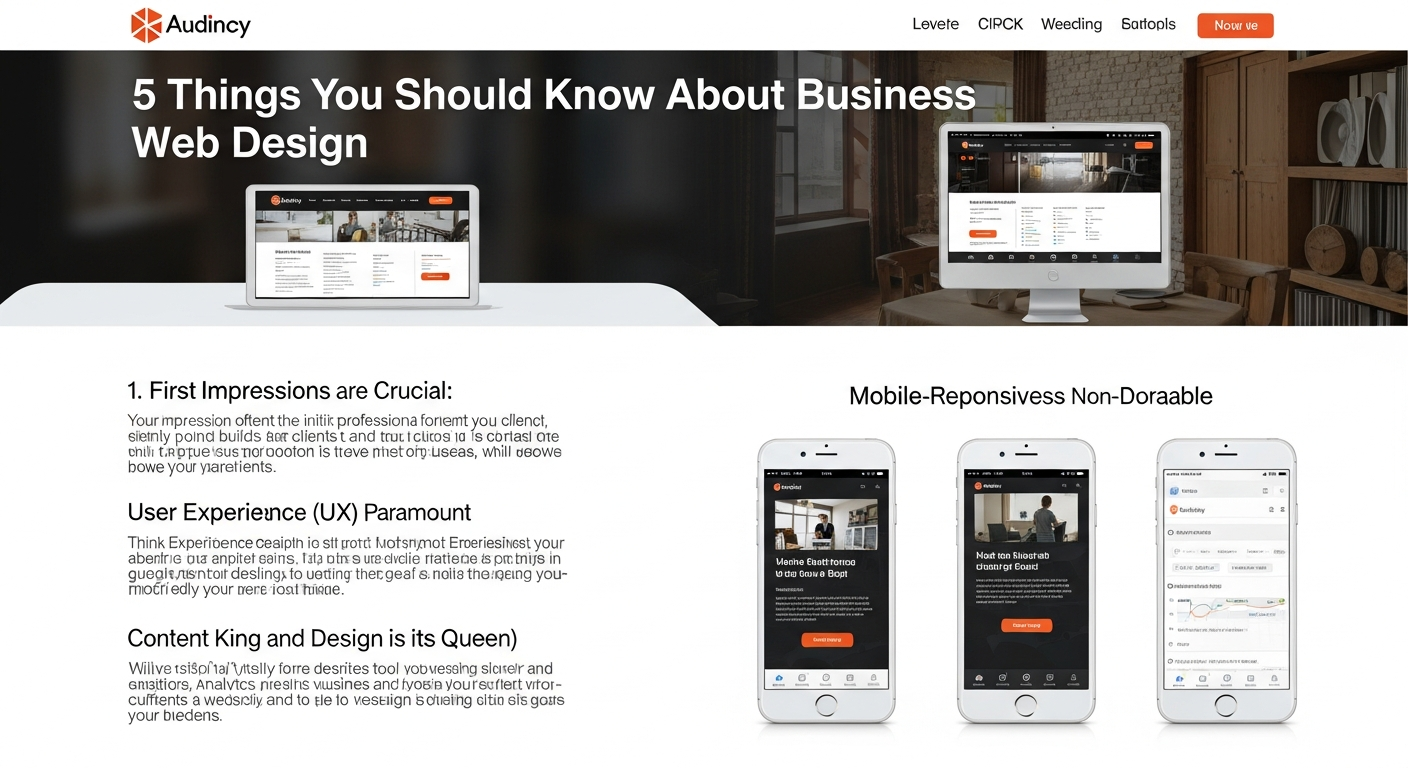
At the heart of any successful business website lies an exceptional user experience (UX). UX encompasses every interaction a user has with your site, from their initial click to their final conversion. A positive UX isn’t just a nicety; it’s a fundamental driver of engagement, retention, and ultimately, revenue. In an era where attention spans are fleeting, a website that is intuitive, easy to navigate, and visually appealing will hold visitors’ interest longer, encouraging them to explore your offerings and take desired actions.
Key elements of a strong UX include logical navigation paths, clear calls-to-action (CTAs), consistent branding, and minimal cognitive load. Users should never have to guess where to find information or how to proceed. Information architecture, the science of organizing and labeling content, plays a crucial role here, ensuring that your site’s structure makes sense from the user’s perspective. This often involves extensive research into user behavior, including journey mapping and A/B testing, to refine the experience continually.
Beyond desktop, mobile responsiveness is no longer an optional feature but a mandatory requirement. With a significant percentage of web traffic originating from mobile devices, a website that doesn’t adapt seamlessly to various screen sizes and orientations will alienate a vast segment of your audience. Google’s mobile-first indexing strategy further underscores this point; if your mobile site offers a subpar experience, it can negatively impact your search engine rankings. A truly responsive design ensures that images scale correctly, text remains readable without pinching or zooming, and interactive elements are easily tappable, regardless of the device. This isn’t just about aesthetics; it’s about accessibility and ensuring that your potential customers can engage with your brand anytime, anywhere. For instance, if you’re a service business considering how to implement an online waiver system in your business, ensuring that the waiver form is perfectly optimized for mobile is critical. Imagine a client trying to sign a document on their phone only to encounter broken layouts or unclickable buttons – that’s a direct path to frustration and lost business. The design must accommodate the functionality across all devices, ensuring a smooth, uninterrupted user journey from browsing to conversion.
Furthermore, accessibility for users with disabilities is gaining increasing importance. Adhering to Web Content Accessibility Guidelines (WCAG) not only broadens your audience but also demonstrates your commitment to inclusivity, enhancing your brand’s reputation. This involves using semantic HTML, providing alt text for images, ensuring keyboard navigation, and maintaining sufficient color contrast. A truly user-centric design considers all potential users, optimizing their experience to be as smooth and productive as possible.
SEO from the Ground Up: Technical Foundations for Visibility
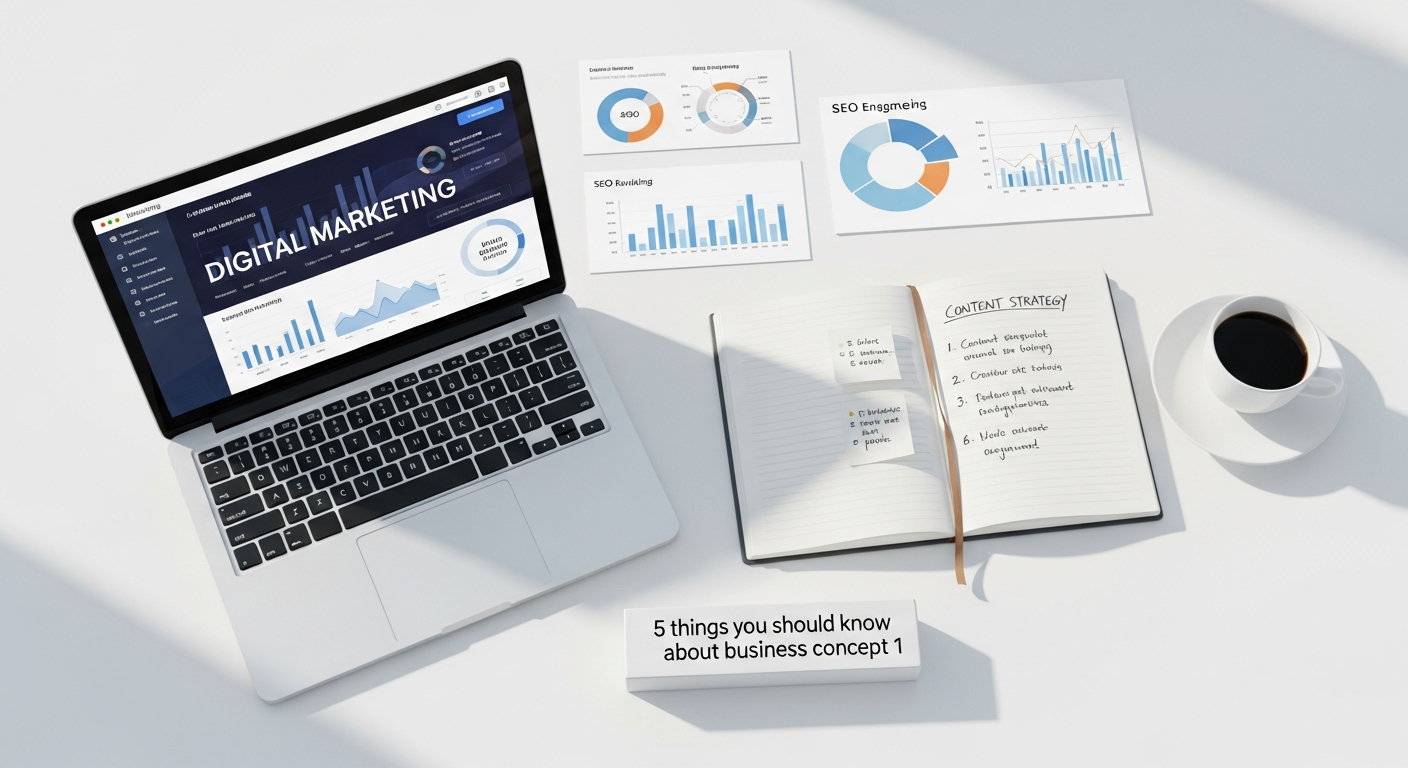
A beautiful website is only effective if people can find it. This is where search engine optimization (SEO) becomes an integral part of the web design process, not an afterthought. Integrating SEO principles from the initial planning stages ensures that your website is built on a strong technical foundation, allowing search engines like Google to easily crawl, index, and rank your content. Ignoring SEO during design can lead to costly retrofits and missed opportunities for organic traffic.
Technical SEO aspects that must be considered during web design include site speed, secure sockets layer (SSL) certificates, proper URL structures, and a clean code base. Slow loading times are a significant deterrent for users and a red flag for search engines, leading to higher bounce rates and lower rankings. Optimizing images, leveraging browser caching, and choosing a reliable hosting provider are all critical steps in ensuring your site loads swiftly. An SSL certificate (HTTPS) encrypts data between the user’s browser and your website, protecting sensitive information and signalling trustworthiness – Google explicitly favors secure sites in its rankings.
The architecture of your website also plays a vital role. A logical site structure with clear hierarchies and internal linking helps search engines understand the relationships between your pages and allows link equity to flow effectively throughout your site. Properly structured URLs that are descriptive and keyword-rich, along with an XML sitemap, guide search engine bots efficiently. Ensuring that your website’s code is clean, free of errors, and semantically correct (using appropriate HTML tags for headings, paragraphs, lists, etc.) further aids crawlability and indexing. This is where expertise becomes crucial. For businesses in competitive markets, engaging the best Denver SEO firm for business marketing or a similar local expert can provide invaluable insights into regional search trends and technical optimization specific to your target audience. They can help implement schema markup, manage robots.txt files, and identify canonicalization issues that might hinder your visibility, ensuring that your web design is not just aesthetically pleasing but also a powerful SEO machine.
Beyond technicalities, effective web design integrates keyword research into content planning, ensuring that pages are optimized for relevant search terms. This means strategically placing keywords in titles, headings, meta descriptions, and body content without resorting to keyword stuffing. The goal is to create content that genuinely answers user queries while signaling relevance to search engines. Furthermore, the design should facilitate easy sharing on social media, as social signals, while not direct ranking factors, can increase visibility and drive traffic, indirectly benefiting SEO. A holistic approach to SEO in web design ensures that your digital storefront is not only open for business but also prominently displayed on the busiest digital avenues.
Content as a Conversion Catalyst: Strategy, Structure, and Storytelling
Effective content strategy begins with understanding your target audience and their pain points. What questions are they asking? What problems are they trying to solve? Your website content should provide clear, concise, and valuable answers. This often involves creating buyer personas and mapping content to different stages of the sales funnel – from awareness and consideration to decision. Blog posts, guides, case studies, product descriptions, and testimonials all play distinct roles in this ecosystem, each designed to move the user further down the conversion path.
The structure of your content within the web design is equally critical. Long blocks of text are intimidating and lead to high bounce rates. Instead, content should be broken up with headings (using <h3> and <h4> tags effectively), bullet points (<ul> and <li>), images, videos, and infographics. This not only improves readability but also helps users quickly scan and digest information. Clear, actionable calls-to-action (CTAs) must be strategically placed throughout your content, prompting users to download an e-book, request a demo, or make a purchase. The design should visually highlight these CTAs, making them impossible to miss without being overly intrusive.
Storytelling is another powerful tool for conversion. Your website should tell your brand’s story, articulating your mission, values, and unique selling propositions. This humanizes your brand, building an emotional connection with your audience. Testimonials and case studies are particularly effective in this regard, providing social proof and demonstrating the real-world impact of your products or services. For specialized businesses, such as a manufacturing firm, content might need to elaborate on 3 services you need for your manufacturing business, detailing how each service addresses specific industrial challenges. This requires deep industry knowledge and the ability to translate complex technical information into accessible, benefit-driven narratives. Visual content, such as high-quality product photography, explainer videos, and interactive diagrams, can significantly enhance comprehension and engagement, especially for complex offerings. The goal is to inform, persuade, and build trust, transforming passive visitors into active participants in your brand’s journey.
Ultimately, content and design must work in concert. A beautiful design can be rendered ineffective by poor content, just as compelling content can be overlooked on a poorly designed site. The synergy between the two creates a powerful, persuasive digital experience that drives conversions and fosters long-term customer relationships.
Security, Performance, and Scalability: Building a Robust Digital Fortress
In the digital age, a business website is a critical asset, and like any valuable asset, it requires robust protection, optimal performance, and the ability to grow with your business. Neglecting security, speed, or scalability can lead to catastrophic consequences, from data breaches and reputational damage to lost sales and an inability to adapt to future demands.
Security is paramount. Cyber threats are constantly evolving, and businesses of all sizes are targets. A secure website protects not only your own data but also the sensitive information of your customers. Essential security measures include:
- SSL Certificates: As mentioned, HTTPS is non-negotiable for encrypting data.
- Regular Software Updates: Keeping your content management system (CMS), themes, and plugins updated patches vulnerabilities.
- Strong Passwords and User Permissions: Implementing strict access controls for all backend users.
- Firewalls and Malware Scanners: Proactive tools to detect and block malicious activity.
- Regular Backups: Ensuring that in the event of a breach or data loss, your site can be quickly restored.
- Secure Hosting: Choosing a hosting provider with a strong security track record and built-in protections.
These measures are not just about compliance; they are about maintaining customer trust and safeguarding your business’s reputation. A single security incident can have long-lasting negative repercussions.
Performance goes hand-in-hand with user experience and SEO. A fast-loading website is crucial for retaining visitors and ranking well in search results. Key performance optimization strategies include:
- Image Optimization: Compressing images without sacrificing quality and using modern formats like WebP.
- Minification: Reducing the size of CSS, JavaScript, and HTML files.
- Leveraging Caching: Storing frequently accessed data to speed up subsequent visits.
- Content Delivery Networks (CDNs): Distributing your site’s content across multiple servers globally to deliver it faster to users based on their geographic location.
- Efficient Code: Clean, well-written code reduces the resources needed to render pages.
Regular performance audits using tools like Google PageSpeed Insights can identify bottlenecks and areas for improvement. Every millisecond saved contributes to a better user experience and better search engine visibility.
Scalability is about future-proofing your website. Your business is expected to grow, and your website must be able to accommodate that growth without requiring a complete overhaul. This means designing with future expansion in mind:
- Flexible CMS: Choosing a CMS that can handle increasing content, users, and functionalities.
- Modular Design: Building components that can be reused and expanded upon easily.
- Database Optimization: Ensuring your database can efficiently manage growing amounts of data.
- Hosting Infrastructure: Selecting a hosting plan that can be easily upgraded to handle increased traffic and resource demands.
- API Integrations: Designing for easy integration with future tools and services, whether it’s CRM systems, marketing automation platforms, or an online waiver system in your business.
A scalable design avoids the need for costly and time-consuming rebuilds every few years. It ensures that your website remains a powerful growth engine, capable of supporting new product launches, increased customer interaction, and evolving business models well into 2026 and beyond.
Branding, Trust, and Professionalism: Your Digital First Impression
Your business website is often the first, and sometimes only, impression potential customers will have of your brand. This initial interaction is critical in establishing trust, conveying professionalism, and differentiating yourself from competitors. Effective web design is a powerful tool for visual branding, translating your company’s identity, values, and ethos into a compelling digital experience.
Consistent Branding: Every element of your website, from its color scheme and typography to its imagery and tone of voice, should reflect your established brand guidelines. This consistency builds brand recognition and reinforces your identity across all digital touchpoints. A cohesive visual language makes your brand memorable and instantly recognizable, fostering a sense of familiarity and reliability. Inconsistent branding, on the other hand, can create confusion and erode trust, making your business appear unprofessional or disorganized.
Visual Design and Aesthetics: High-quality visual design goes beyond mere attractiveness; it communicates competence and attention to detail. A clean, modern, and uncluttered layout makes your website easy on the eyes and helps users focus on your content and CTAs. Professional photography and videography showcase your products, services, and team in the best possible light, adding credibility and authenticity. Avoid generic stock photos if possible, as they can make your brand seem impersonal and indistinguishable from others. The choice of fonts, spacing, and overall visual hierarchy all contribute to the perceived professionalism of your brand. For instance, a manufacturing business seeking to highlight the 3 services you need for your manufacturing business should use industrial-grade imagery and a robust, reliable aesthetic to convey strength and precision, rather than a whimsical or overly playful design.
Building Trust and Credibility: A professional web design instills confidence in your visitors. Elements that contribute to trust include:
- Clear Contact Information: Easily accessible phone numbers, email addresses, and physical locations (if applicable).
- Customer Testimonials and Reviews: Social proof from satisfied clients.
- Case Studies: Demonstrating your expertise and successful outcomes.
- About Us Page: Sharing your company’s story, values, and team members.
- Privacy Policy and Terms of Service: Transparent legal information, especially crucial for data protection.
- Security Badges: Displaying SSL certificates, payment gateway security, or industry certifications.
When visitors perceive your website as trustworthy, they are more likely to engage with your content, make a purchase, or fill out a form. Conversely, a website that looks outdated, broken, or unprofessional can trigger immediate distrust, prompting users to seek alternatives. Your website is your digital storefront, and just like a physical store, its appearance significantly impacts how customers perceive the quality and reliability of your offerings.
Moreover, the overall user journey must feel secure and guided. If a user is looking for the best Denver SEO firm for business marketing, they will likely judge the firm’s own website on its design, professionalism, and the trust signals it provides. A firm advocating for digital excellence must embody it in their own web presence. Every design decision, therefore, should be made with the intention of reinforcing your brand’s identity, building unwavering trust, and communicating a high level of professionalism that resonates with your target audience.
Integration and Iteration: Tools, Analytics, and Future Growth
A modern business website is not a standalone entity; it’s a central hub designed to integrate with a vast ecosystem of digital tools and platforms. Furthermore, it’s a dynamic asset that requires continuous monitoring, analysis, and iteration to remain effective and aligned with evolving business objectives. The ability to seamlessly connect your website with other business systems and to adapt based on performance data is crucial for sustained growth in 2026 and beyond.
Seamless Integrations: A well-designed website acts as a powerful connector, streamlining operations and enhancing the customer journey. Key integrations might include:
- Customer Relationship Management (CRM) Systems: To capture leads from forms, track customer interactions, and manage sales pipelines.
- Email Marketing Platforms: To build subscriber lists, send newsletters, and automate campaigns based on website behavior.
- E-commerce Platforms: For businesses selling products, integrating secure payment gateways, inventory management, and shipping solutions.
- Marketing Automation Tools: To personalize user experiences, nurture leads, and automate repetitive tasks.
- Social Media Platforms: For easy content sharing and leveraging social proof.
- Online Booking/Scheduling Systems: Essential for service-based businesses, allowing clients to book appointments directly.
- Live Chat/Chatbots: To provide immediate customer support and lead qualification.
- Online Waiver Systems: For businesses requiring legal agreements, seamless integration of platforms like how to implement an online waiver system in your business can automate paperwork, improve compliance, and enhance the customer onboarding experience.
These integrations not only save time and reduce manual effort but also provide a holistic view of your customer interactions, enabling more targeted marketing and improved service delivery. The initial web design must consider these integration points, ensuring the underlying architecture can support current and future tool connections without extensive re-engineering.
Analytics and Performance Monitoring: The famous adage “what gets measured gets managed” holds true for web design. Implementing robust analytics tools, primarily Google Analytics (or a suitable alternative), is fundamental. These tools provide invaluable data on:
- Traffic Sources: Where your visitors are coming from (organic search, social media, referrals, direct).
- User Behavior: Which pages they visit, how long they stay, their navigation paths, and bounce rates.
- Conversion Rates: How effectively your website is turning visitors into leads or customers.
- Demographics: Insights into your audience’s age, location, and interests.
- Technical Performance: Page load times, mobile performance, and error rates.
Regularly reviewing this data is crucial for identifying areas of strength and weakness. It allows you to understand which design elements are working, which content resonates, and where users are encountering friction. For example, if analytics show high bounce rates on a specific product page, it might indicate a need to redesign the layout, improve product descriptions, or optimize images. This data-driven approach moves web design beyond subjective aesthetics to objective performance.
Continuous Iteration and A/B Testing: A website is never truly “finished.” The digital landscape, user expectations, and business goals are constantly evolving. Therefore, a successful web design strategy embraces continuous iteration. This involves:
- A/B Testing: Experimenting with different versions of headlines, CTAs, button colors, or page layouts to see which performs better.
- User Feedback: Collecting direct feedback through surveys, polls, or user testing sessions.
- Content Updates: Regularly refreshing existing content and adding new, relevant material to keep the site fresh and valuable.
- Feature Enhancements: Adding new functionalities or improving existing ones based on user needs and business strategy.
This iterative process ensures your website remains a dynamic, high-performing asset that actively contributes to business growth. It’s about viewing your website as a living entity that needs constant care and strategic evolution to meet the demands of a competitive digital marketplace. For a manufacturing business, this might mean continually updating product catalogs, optimizing lead generation forms for specific services you need for your manufacturing business, and ensuring that any complex technical documentation is always accessible and current. Iteration, fueled by data and a forward-thinking mindset, is the engine of long-term digital success.
FAQ Section
What is the typical cost for a professional business website in 2026?
The cost of a professional business website in 2026 can vary dramatically, ranging from a few thousand dollars for a basic informational site to tens of thousands, or even hundreds of thousands, for complex, custom-built platforms with extensive functionalities. Factors influencing cost include the website’s complexity (e-commerce, custom features, integrations), the number of pages, design sophistication (custom vs. template), content creation requirements, ongoing maintenance, and the expertise of the design agency or freelancer. For instance, a small local business needing a strong online presence might invest $5,000-$15,000, while a larger enterprise with specific needs like an online waiver system integration, custom CRM, or advanced marketing automation could easily spend $25,000 to $100,000+. It’s crucial to define your requirements clearly and obtain detailed quotes from multiple providers to understand the scope and associated expenses.
How long does it take to design and launch a business website?
The timeline for designing and launching a business website in 2026 is highly dependent on its complexity and the efficiency of the design team and client. A simple, template-based informational website might take 4-8 weeks from initial concept to launch. More complex websites, involving custom design, intricate functionality, extensive content creation, and multiple integrations (like a comprehensive e-commerce platform or a site detailing 3 services you need for your manufacturing business with unique technical specifications), can take 3-6 months or even longer. Key stages include discovery, planning, design, content creation, development, testing, and launch. Delays often occur due to client feedback cycles, content delivery, or unforeseen technical challenges. Setting realistic expectations and maintaining clear communication are vital for a timely launch.
Should a business try to build its own website or hire a professional?
For most businesses aiming for long-term growth and a professional online presence, hiring a professional web designer or agency is highly recommended. While DIY website builders offer a low-cost entry point, they often come with limitations in customization, scalability, SEO optimization, and unique branding. Professionals bring expertise in UX/UI design, technical SEO (which is vital for ensuring you get found by search engines, much like the work done by the best Denver SEO firm for business marketing), conversion optimization, security, and integration capabilities. They can create a bespoke solution tailored to your specific business goals, ensuring a robust, scalable, and high-performing website that truly reflects your brand and drives results. The initial investment in professional design typically pays off in increased credibility, better user experience, and improved search engine visibility.
What is the most important factor for a business website’s success?
While many factors contribute, the most important factor for a business website’s success is arguably its ability to meet user needs and achieve business objectives simultaneously. This encompasses a strong User Experience (UX) that makes navigation intuitive and engaging, coupled with clear Calls-to-Action (CTAs) that guide users towards conversion. A successful website is not just beautiful; it’s functional, fast, secure, mobile-responsive, and optimized for search engines so that users can find it. It clearly communicates your value proposition and provides an easy path for visitors to become customers. Without addressing user needs and guiding them towards your business goals, even the most visually stunning website will fail to deliver tangible results.
How often should a business website be redesigned?
There’s no fixed rule, but generally, a business website should consider a significant redesign every 2-5 years. The rapid evolution of web technologies, design trends, user expectations, and search engine algorithms means that older designs can quickly become outdated, impacting performance, security, and user experience. Signs that a redesign is needed include declining traffic, high bounce rates, outdated functionality, poor mobile responsiveness, a lack of alignment with current brand identity, or difficulty integrating new business tools (e.g., a new CRM or an online waiver system). Regular minor updates and iterative improvements, however, should be an ongoing process, preventing the need for drastic overhauls too frequently.
Why is mobile responsiveness so critical for business websites in 2026?
Mobile responsiveness is critical for business websites in 2026 for several compelling reasons. Firstly, a substantial and growing portion of internet traffic comes from mobile devices; if your site isn’t optimized, you’re alienating a massive audience. Secondly, Google employs mobile-first indexing, meaning it primarily uses the mobile version of your site for ranking and indexing. A poor mobile experience can therefore directly harm your SEO and visibility. Thirdly, user experience (UX) is paramount; users expect a seamless experience across all devices, and a non-responsive site leads to frustration, high bounce rates, and a negative perception of your brand. Lastly, many business interactions, such as online bookings, form submissions, or reviewing information about 3 services you need for your manufacturing business, are now initiated on mobile, making a smooth mobile experience essential for conversion and customer satisfaction.
Recommended Resources
For more on 5 things you, see How To Create An Online Course For Income on Trading Costs.
Check out How To Invest In Real Estate With Little Money on AssetBar for a deeper dive.