What Are Digital Marketing Agency Services?

Navigating the complex digital landscape requires more than just a website; it demands
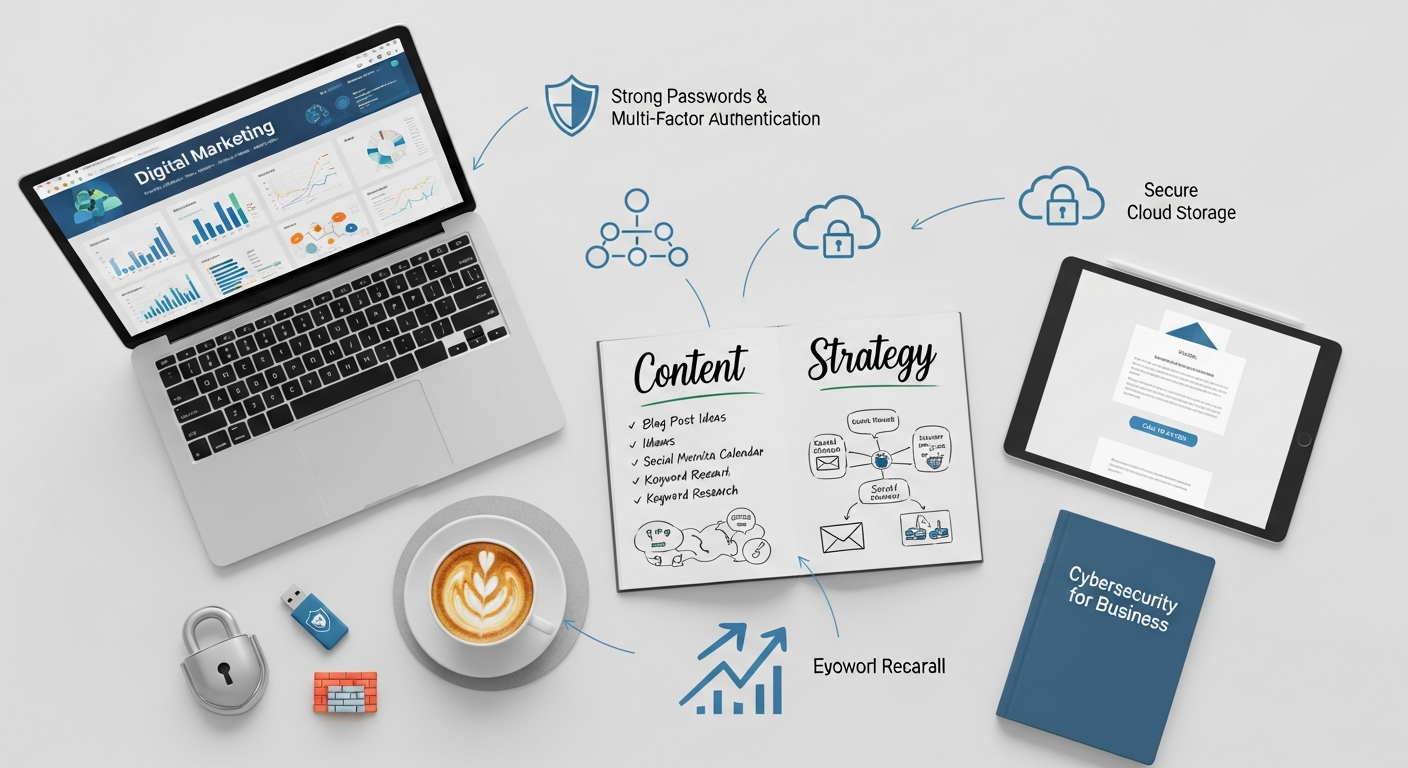
digital marketing agency services — featured illustration

Navigating the complex digital landscape requires more than just a website; it demands a strategic, integrated approach. This is precisely where comprehensive digital marketing agency services prove invaluable. These specialized online strategies are meticulously crafted to achieve specific business objectives, acting as a crucial catalyst for sustainable Digital Marketing & Business Growth. By leveraging expertise across various online channels, agencies help businesses enhance online visibility, engage target audiences, drive conversions, and ultimately, expand their market footprint through data-driven and integrated campaigns encompassing search engine optimization (SEO), pay-per-click (PPC), social media, content creation, and more.

Aisha Khan: In today’s competitive environment, a siloed approach to digital marketing is a recipe for stagnation. True Digital Marketing & Business Growth stems from a seamlessly integrated strategy where every channel works in concert, amplified by data and continuous optimization.

Core Digital Marketing Agency Services & Business Impact

Understanding the array of services offered by an expert digital marketing agency is the first step toward leveraging their potential. The following table provides a quick overview of primary service categories and their direct impact on business growth:

Service Category Key Activities Primary Goal Key Business Growth Metric Link to Deep Dive
SEO (Search Engine Optimization) Keyword Research, On-Page/Off-Page Optimization, Technical SEO Increase Organic Search Visibility & Traffic Organic Traffic, Keyword Rankings, Conversion Rate Learn More About SEO Services
PPC (Pay-Per-Click) Advertising Ad Campaign Creation, Bid Management, Audience Targeting, A/B Testing Drive Immediate, Targeted Traffic & Conversions ROAS (Return on Ad Spend), CPC, CTR, Lead Volume Explore PPC Advertising
Social Media Marketing Content Creation, Community Management, Paid Social Campaigns Build Brand Awareness, Engagement & Customer Loyalty Engagement Rate, Follower Growth, Social Referrals Discover Social Media Strategies
Content Marketing Blog Posts, Articles, Videos, Infographics, E-books, Webinars Generate Leads, Establish Thought Leadership, Educate Audience Lead Generation, Time on Page, Shareability Understand Content Marketing
Email Marketing List Building, Segmentation, Automation, Campaign Design, A/B Testing Nurture Leads, Drive Repeat Purchases, Build Customer Relationships Open Rate, Click-Through Rate, Conversion Rate, Customer Lifetime Value Deep Dive into Email Marketing
Web Design & Development UX/UI Design, Mobile Responsiveness, E-commerce Integration, Site Audits Improve User Experience, Conversion Rates & Brand Credibility Bounce Rate, Page Load Speed, Conversion Rate, User Satisfaction View Web Design & Development
Analytics & Reporting Data Collection, Performance Analysis, Custom Dashboards, ROI Tracking Measure Campaign Effectiveness, Identify Opportunities & Optimize Strategy ROI, CPA (Cost Per Acquisition), Customer Acquisition Cost, Churn Rate Learn About Analytics & Reporting
Digital Strategy Consulting Market Research, Competitive Analysis, Goal Setting, Customer Journey Mapping Define Clear Objectives, Develop Integrated Roadmaps for Growth Overall Business Growth, Market Share, Strategic Alignment Explore Digital Strategy Consulting

What Are the Core Digital Marketing Agency Services?

A comprehensive digital marketing agency offers a diverse suite of capabilities, all designed to amplify a brand’s online presence and drive tangible Digital Marketing & Business Growth. These core offerings typically cover the entire customer journey, from initial awareness to conversion and retention, focusing on measurable outcomes and strategic alignment with overarching business goals.

Agencies specialize in crafting tailored solutions, ensuring that each component works harmoniously to achieve optimal performance. The integration of these services is paramount, as a holistic approach yields significantly better results than individual, disconnected efforts. From attracting new visitors to converting them into loyal customers, these specialized marketing offerings form the backbone of a successful modern business strategy.

Search Engine Optimization (SEO) Services

Search Engine Optimization (SEO) is a fundamental component of any effective digital marketing strategy, aimed at increasing a website’s visibility in organic (unpaid) search engine results. This critical service ensures that potential customers can find your business when searching for relevant products or services, directly contributing to sustainable Digital Marketing & Business Growth by attracting high-intent traffic.

  • Keyword Research: Identifying strategic keywords and phrases that target audiences use to find businesses like yours.
  • On-Page Optimization: Enhancing website content, meta descriptions, headings, and internal linking to align with target keywords and user intent.
  • Technical SEO: Addressing website infrastructure elements such as site speed, mobile-friendliness, crawlability, and schema markup to improve search engine indexing.
  • Link Building: Acquiring high-quality backlinks from authoritative external websites to boost domain authority and search rankings.
  • Local SEO: Optimizing for local search results, including Google My Business profiles, to attract nearby customers.

These SEO services collectively work to improve your website’s organic traffic, keyword rankings, and overall presence on search engine results pages (SERP). For a deep dive into how these strategies can transform your online visibility, explore our comprehensive guide to Search Engine Optimization.

Aisha Khan: We consistently observe that businesses investing in robust technical SEO audits alongside content optimization see the most significant and durable gains in organic traffic, often yielding a 30-50% increase in qualified organic leads within the first year.

[INLINE IMAGE 1: Diagram illustrating the various components of SEO, such as keyword research, on-page optimization, technical SEO, and link building, with arrows pointing towards “Improved Search Rankings” and “Increased Organic Traffic.”]

Pay-Per-Click (PPC) Advertising Management

Pay-Per-Click (PPC) advertising management is a crucial service that enables businesses to secure immediate, highly visible placements on search engine results pages and across various digital platforms. As a component of powerful online marketing services, PPC campaigns are designed to drive targeted traffic, generate leads, and boost sales quickly, making them an indispensable tool for accelerating Digital Marketing & Business Growth.

  • Campaign Setup: Developing comprehensive PPC campaign structures, including account organization, keyword selection, and negative keyword identification for platforms like Google Ads and social media ad networks.
  • Ad Copy & Landing Page Optimization: Crafting compelling ad copy that resonates with target audiences and optimizing landing pages for maximum conversion rates.
  • Bid Management: Strategically managing bids to optimize ad spend, achieve desired cost-per-click (CPC) or cost-per-acquisition (CPA), and maximize return on ad spend (ROAS).
  • Audience Targeting: Utilizing advanced targeting options based on demographics, interests, behaviors, and retargeting lists to reach the most relevant potential customers.
  • Performance Monitoring & Optimization: Continuously tracking campaign performance, conducting A/B tests, and making data-driven adjustments to improve results.

PPC campaigns offer rapid visibility and measurable results, complementing organic efforts by capturing immediate market demand. To learn how expert management can maximize your ad spend and deliver impressive returns, visit our dedicated page on PPC Advertising.

Social Media Marketing & Engagement

Social media marketing is a dynamic set of online marketing services focused on building brand awareness, fostering community engagement, and driving traffic and conversions through popular social platforms. It plays a vital role in humanizing brands and directly contributes to Digital Marketing & Business Growth by creating direct channels for customer interaction and brand advocacy.

  • Strategy & Planning: Developing platform-specific strategies, identifying target audiences, and setting measurable goals for social media presence.
  • Content Creation & Curation: Producing engaging visuals, videos, and written content tailored for each platform, maintaining a consistent brand voice.
  • Community Management: Actively interacting with followers, responding to comments and messages, and building a loyal online community.
  • Paid Social Campaigns: Designing and managing targeted advertising campaigns on platforms like Facebook, Instagram, LinkedIn, and X (formerly Twitter) to reach specific demographics and achieve marketing objectives.
  • Influencer Marketing: Collaborating with relevant influencers to extend reach and credibility within niche communities.

Effective social media management not only boosts brand visibility but also cultivates a loyal customer base. Discover more about crafting impactful social media presences by exploring our comprehensive guide to Social Media Marketing.

[INLINE IMAGE 2: Infographic showcasing the interconnectedness of social media marketing elements such as content creation, community engagement, analytics, and paid advertising, leading to increased brand awareness and customer loyalty.]

Content Marketing Strategy & Creation

Content marketing is a strategic approach focused on creating and distributing valuable, relevant, and consistent content to attract and retain a clearly defined audience. This foundational component of online marketing services is crucial for establishing thought leadership, nurturing leads, and driving organic Digital Marketing & Business Growth by providing genuine value to potential and existing customers.

  • Content Strategy: Developing a comprehensive content plan aligned with business goals, target audience needs, and the customer journey, including content pillars and editorial calendars.
  • Content Production: Creating diverse forms of engaging content, such as blog posts, articles, videos, infographics, whitepapers, case studies, and e-books, optimized for search engines and user engagement.
  • Content Distribution: Strategically promoting content across various channels, including social media, email newsletters, and relevant third-party platforms, to maximize reach and impact.
  • Performance Analysis: Tracking content performance through metrics like engagement, traffic, lead generation, and conversions to refine future content efforts.

High-quality content is the magnet that draws audiences to your brand, building trust and authority over time. Learn more about developing a robust content ecosystem that consistently delivers results by visiting our page on Content Marketing.

Email Marketing Automation & Campaigns

Email marketing remains one of the most cost-effective and direct methods for engaging with customers and nurturing leads. As a core offering within many growth marketing services, it’s instrumental for driving repeat business, building customer loyalty, and directly contributing to Digital Marketing & Business Growth through personalized communication and targeted campaigns.

  • List Building & Segmentation: Strategies for ethically growing email lists and segmenting subscribers based on demographics, behavior, and preferences for highly targeted messaging.
  • Campaign Design & Execution: Crafting visually appealing and compelling email newsletters, promotional campaigns, and informational updates.
  • Automation & Nurturing: Setting up automated email sequences for welcome series, abandoned carts, lead nurturing, and post-purchase follow-ups to keep customers engaged.
  • A/B Testing & Optimization: Continuously testing subject lines, call-to-actions, content, and send times to maximize open rates, click-through rates, and conversions.
  • Deliverability Management: Ensuring emails reach the inbox and avoid spam folders, maintaining sender reputation.

Expertly managed email marketing builds enduring customer relationships and drives tangible sales. Dive deeper into optimizing your email communication strategy by exploring our guide to Email Marketing Automation.

Web Design, Development & User Experience

A business’s website is often its most important digital asset, serving as the central hub for all online activities. Web design, development, and user experience (UX) services ensure that this asset is not only visually appealing but also highly functional, intuitive, and conversion-focused. This critical aspect of full-service digital marketing directly impacts Digital Marketing & Business Growth by improving user satisfaction, reducing bounce rates, and increasing conversion opportunities.

  • UX/UI Design: Creating intuitive user interfaces and seamless user experiences that guide visitors through the website efficiently, optimizing for conversions.
  • Responsive Development: Ensuring the website performs flawlessly and looks great across all devices, including desktops, tablets, and smartphones.
  • Conversion-Focused Design: Strategically placing calls-to-action, optimizing forms, and structuring content to encourage desired user actions.
  • E-commerce Solutions: Building robust and secure online stores with integrated payment gateways, product catalogs, and inventory management for seamless online sales.
  • Website Audits & Performance Optimization: Analyzing existing websites for usability issues, technical errors, and speed bottlenecks, then implementing improvements.

A high-performing website is the foundation for all successful digital marketing efforts. Explore how professional web design and development can elevate your online presence and enhance user engagement on our dedicated page: Web Design & Development.

Data Analytics, Reporting & Insights

At the heart of every effective digital marketing strategy is data. Data analytics, reporting, and insights services are paramount for understanding campaign performance, identifying growth opportunities, and making informed decisions. This vital element of agency marketing offerings provides the intelligence needed for continuous optimization and measurable Digital Marketing & Business Growth.

  • KPI Definition & Tracking: Identifying key performance indicators (KPIs) relevant to business goals and setting up robust tracking mechanisms (e.g., Google Analytics, custom dashboards).
  • Performance Monitoring & Analysis: Regularly monitoring campaign data, analyzing trends, and identifying areas of strength and weakness.
  • ROI Measurement: Calculating the return on investment for various marketing activities, ensuring that budget allocation is optimized for maximum impact.
  • Custom Reporting: Providing clear, concise, and actionable reports that translate complex data into understandable insights for stakeholders.
  • A/B Testing & Experimentation: Using data to inform A/B tests and other experiments that lead to incremental improvements across campaigns.

Without robust data analysis, marketing efforts are mere guesswork. Learn how comprehensive analytics can empower your decision-making and propel your business forward by visiting our Digital Analytics & Reporting guide.

Strategic Digital Marketing Consulting

Beyond executing individual campaigns, top-tier agencies provide strategic consulting, offering an overarching vision and roadmap for Digital Marketing & Business Growth. This involves expert insights and tailored recommendations that align digital efforts with broader business objectives, ensuring a cohesive and impactful strategy. This consultative approach is a hallmark of truly effective full-service digital marketing partnerships.

  • Market Research & Competitive Analysis: Deep dives into market trends, audience behavior, and competitor strategies to identify unique opportunities and positioning.
  • Goal Setting & KPI Alignment: Collaborating to define clear, measurable, achievable, relevant, and time-bound (SMART) goals and aligning digital KPIs with overall business objectives.
  • Customer Journey Mapping: Understanding the customer’s path from awareness to advocacy, identifying touchpoints for optimization and personalization.
  • Holistic Strategy Development: Crafting integrated digital marketing roadmaps that blend various services (SEO, PPC, content, social, email) into a unified, high-impact plan.
  • Technology Stack Recommendations: Advising on the best marketing technologies (CRM, marketing automation, analytics platforms) to support growth.

Strategic guidance is what transforms good marketing into exceptional business growth. To understand how expert consultation can shape your future success, explore our insights on Digital Strategy Consulting.

Why Partner with a Digital Marketing Agency?

Engaging an external team for your online marketing services can be a transformative decision for businesses seeking accelerated Digital Marketing & Business Growth. The benefits extend beyond simply offloading tasks, offering strategic advantages that are hard to replicate in-house.

  • Access to Specialized Expertise: Agencies house diverse teams of specialists (SEO analysts, PPC managers, content strategists, social media experts, web developers) who possess deep knowledge and experience across various digital channels. This collective expertise is difficult and costly to build within a single in-house team.
  • Cost-Effectiveness: While an agency comes with a fee, it often proves more cost-effective than hiring a full-time, multi-specialist in-house team, considering salaries, benefits, and training. Agencies also often have access to premium tools and software that would be expensive for individual businesses to license.
  • Scalability & Flexibility: Agencies can quickly scale services up or down based on your business needs, market changes, or campaign demands, offering a level of flexibility that in-house teams often lack.
  • Objective Perspective: An external agency brings a fresh, unbiased perspective to your marketing challenges, free from internal politics or assumptions. This can lead to innovative strategies and the identification of overlooked opportunities.
  • Stay Ahead of Trends: The digital marketing landscape evolves rapidly. Agencies are dedicated to staying current with the latest algorithms, tools, and best practices, ensuring your strategies remain cutting-edge.
  • Focus on Core Business: By entrusting marketing to specialists, your internal team can concentrate on core business operations, product development, and customer service, optimizing overall organizational efficiency.

Choosing the Right Digital Marketing Agency

Selecting the ideal partner for your business’s online marketing services is a critical decision that can significantly impact your Digital Marketing & Business Growth trajectory. It requires careful consideration beyond just price, focusing on alignment, expertise, and proven results.

  1. Define Your Goals: Clearly articulate your business objectives. What do you want to achieve (e.g., increase leads by X%, boost online sales by Y%, improve brand awareness)? Specific goals will help you evaluate an agency’s ability to deliver.
  2. Assess Their Expertise & Experience: Look for agencies with a proven track record in your industry or with similar business models. Review case studies, testimonials, and portfolios to gauge their capabilities and understanding of relevant challenges.
  3. Check for Transparency & Communication: A good agency will be transparent about their processes, reporting, and pricing. Evaluate their communication style during initial discussions; they should be responsive, clear, and proactive.
  4. Understand Their Process: Ask about their strategic approach. How do they conduct market research? How do they develop tailored strategies? How do they measure success? A structured, data-driven process is key.
  5. Evaluate Team Chemistry & Cultural Fit: You’ll be working closely with this team, so ensure there’s good chemistry and that their working culture aligns with yours. Collaboration is vital for long-term success.
  6. Review Reporting & Analytics: Inquire about their reporting frequency, format, and what metrics they prioritize. They should be able to clearly demonstrate ROI and explain how they’ll contribute to your Digital Marketing & Business Growth.
  7. Ask for References: Speak to current or past clients to get an unbiased perspective on their experience, the agency’s strengths, and areas for improvement.

Common Mistakes in Digital Marketing Agency Partnerships

While partnering with an agency can be highly beneficial, certain pitfalls can derail even the most promising collaborations. Recognizing these common mistakes is essential for fostering a successful partnership aimed at robust Digital Marketing & Business Growth.

  • Unclear Expectations & Goals: Failing to clearly define specific, measurable goals and KPIs from the outset can lead to misaligned efforts and dissatisfaction.
  • Lack of Communication: Insufficient or inconsistent communication from either side can create misunderstandings, slow down progress, and erode trust.
  • Expecting Overnight Results: Digital marketing, especially SEO and content marketing, requires time to yield significant results. Unrealistic expectations for immediate success can lead to premature termination of valuable strategies.
  • Withholding Information: Agencies need comprehensive access to your business insights, target audience data, and internal resources to craft effective strategies. Holding back crucial information handicaps their ability to perform.
  • Treating the Agency as a Vendor, Not a Partner: The most successful relationships view the agency as an extension of the internal team, engaging in collaborative decision-making and strategic planning.
  • Ignoring Agency Recommendations: While you have the final say, dismissing expert recommendations without proper consideration can undermine the agency’s strategic value and hinder campaign effectiveness.
  • Failing to Adapt Internally: Digital marketing success often requires internal changes, such as content approvals, website updates, or sales team alignment. Resistance to these internal adaptations can bottleneck progress.
Aisha Khan: We’ve observed that the most successful Digital Marketing & Business Growth partnerships are built on radical transparency and shared responsibility. When both client and agency are genuinely invested in understanding each other’s processes and challenges, the outcomes are consistently superior.

What success looks like: A client leveraging our PPC services saw a 25% increase in qualified leads within 3 months, accompanied by a 2x ROAS, primarily due to open communication, joint optimization meetings every two weeks, and rapid implementation of A/B testing recommendations across ad copy and landing pages.

What failure looks like: A different client experienced stagnation in organic traffic after six months despite consistent SEO efforts. The primary reason was a significant delay (often 3-4 weeks) in implementing critical technical SEO fixes on their website due to internal IT bottlenecks, preventing search engines from efficiently crawling and indexing new, optimized content.

Measuring Success: KPIs for Digital Marketing & Business Growth

Measuring the effectiveness of digital marketing efforts is crucial for demonstrating ROI and ensuring continuous Digital Marketing & Business Growth. Key Performance Indicators (KPIs) provide quantifiable metrics that track progress toward defined business objectives.

  • Website Traffic: Overall visitors, organic traffic, referral traffic, direct traffic.
  • Conversion Rates: Percentage of visitors who complete a desired action (e.g., purchase, form submission, download).
  • Lead Generation: Number of qualified leads generated through various channels.
  • Customer Acquisition Cost (CAC): The total cost of sales and marketing efforts required to acquire a new customer.
  • Return on Ad Spend (ROAS): Revenue generated for every dollar spent on advertising.
  • Customer Lifetime Value (CLTV): The predicted net profit attributed to the entire future relationship with a customer.
  • Brand Mentions & Sentiment: Tracking how often your brand is mentioned online and the overall tone of these mentions.
  • Engagement Rates: Interactions with content on social media, email open rates, click-through rates.
  • Bounce Rate & Time on Page: Indicators of user engagement and content quality on your website.
  • Search Engine Rankings: Position of your website for target keywords on search engine results pages.

Regularly reviewing these and other relevant KPIs allows businesses and their agency partners to assess performance, identify areas for improvement, and validate the impact of their online marketing services on overall Digital Marketing & Business Growth.

Sources & References

  1. Google Search Central: How Search Works
  2. Gartner: The State of Marketing Attribution and Measurement
  3. Neil Patel: The ROI of Content Marketing
  4. Campaign Monitor: Email Marketing Benchmarks

About the Author

Aisha Khan, Lead Content Strategist & Editor — I craft actionable content strategies and write articles focused on digital marketing trends and business growth for this blog.

Reviewed by Dr. Kenji Tanaka, Principal Growth Marketing Advisor — Last reviewed: March 30, 2026

Read More